 Lynden Siding
 Building a Deck That Holds Up Around Wiser Lake
Wiser Lake sits in a pocket of Whatcom County where the air behaves a little differently than it does a mile or two away in downtown Lynden. Being next to open water means more standing humidity at ground level, more morning fog clinging to shaded framing, and a longer window each year where wood, hardware, and even composite boards stay damp instead of drying out between rains. Add in the marine air that moves inland off the Sound and the driving rain that Whatcom County sees for months at a stretch, and a deck here is working harder than a deck built on a dry, open lot across town.
None of that means a deck can't last for decades at Wiser Lake. It means the build has to account for moisture from day one — in the framing choices, the fastener grade, the gap spacing, and the drainage underneath — instead of treating it like an afterthought once the boards are down.
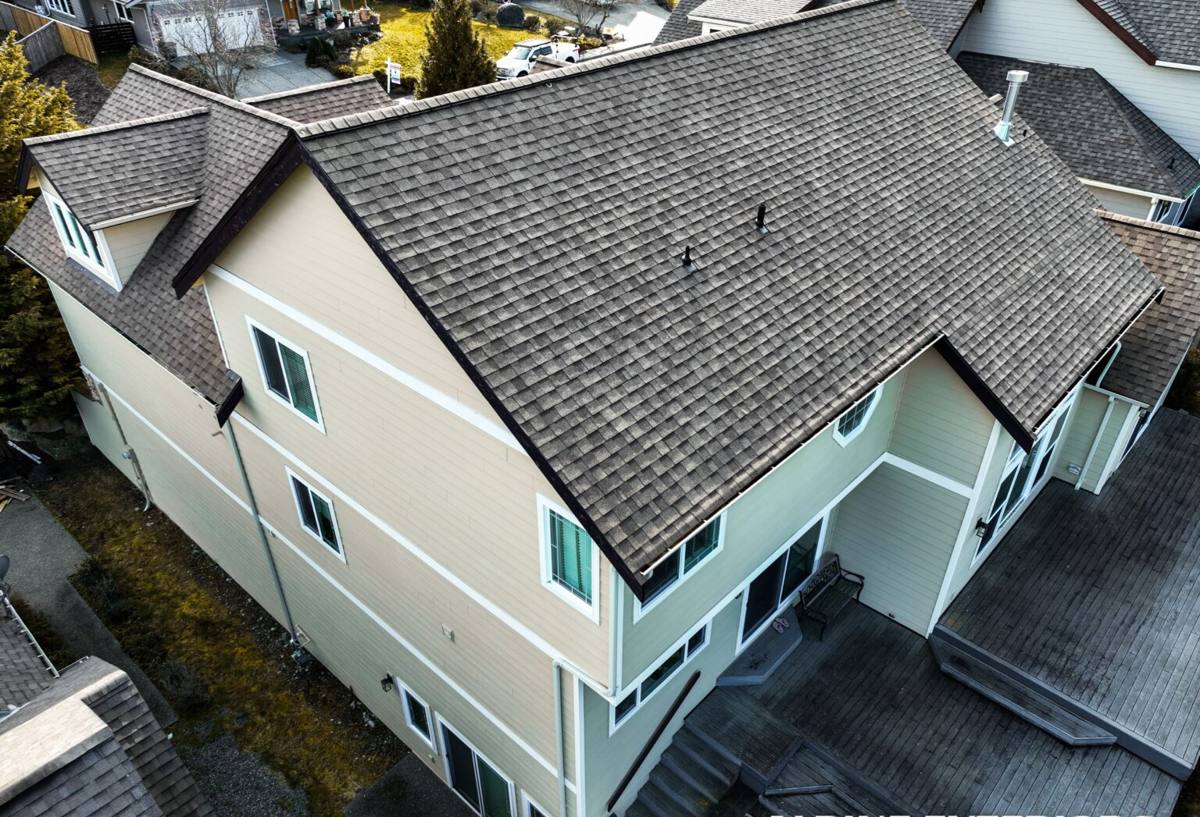
What Lake-Adjacent Conditions Actually Do to a Deck
Most deck failures we see in this area aren't dramatic. They're slow: a ledger board that stays wet against the house and starts to rot from the inside, joists that never fully dry out on the underside and develop soft spots, or fasteners that streak and eventually weaken because they weren't rated for the exposure. Decks near Wiser Lake see more of this because the extra humidity keeps wood moisture content elevated even on days that look dry.
Where Moisture Collects
The trouble spots are predictable once you know what to look for: the ledger connection where the deck meets the house, the tops of joists under the decking boards, post bases sitting near grade, and any area with poor airflow underneath — decks built low to the ground or skirted in without vents. Each of these needs a specific detail done correctly, not a general "build it sturdy" approach.
Why Moss Season Matters for Decks, Not Just Roofs
Homeowners usually think of moss as a roof problem, but it grows just as readily on horizontal deck boards, stair treads, and railings that stay shaded or damp. Beyond looking bad, moss and algae hold moisture against the wood surface and make boards genuinely slick — a real slip hazard on stairs and ramps. A deck built with the right board spacing, orientation, and drainage sheds water faster and gives moss less to hold onto.
Framing and Structure: Getting the Bones Right
The framing is where a deck's lifespan is decided, long before the finish decking goes down. This is also where corner-cutting is hardest to spot after the fact.
Ledger Attachment and Flashing
Where the deck attaches to the house, proper flashing has to shed water away from the band joist and wall sheathing, not funnel it behind the siding. This is one of the most common failure points on older decks in wetter climates, and it's invisible until the damage is already done. We flash this connection so water runs out and down, never in.
Footings and Post Bases
Ground contact near a lake means more moisture at and below grade for more of the year. Footings need to be set to the correct depth and post bases need to hold the post above grade and off standing water, not buried or sitting flush with wet soil. We also pay attention to drainage around footings so water doesn't pool against them season after season.
Joist Spacing and Airflow
Tighter joist spacing than the minimum code allows can add stiffness underfoot, but the bigger factor for longevity here is airflow underneath the deck. A skirted or low deck with no ventilation traps humidity against the framing all year. We build in venting where the design allows it, rather than sealing the underside completely.
Choosing Decking Material for a Wiser Lake Home
There's no single "best" decking material — there's the right material for how much upkeep you want to do and how the deck will be used. For a lake-adjacent property where humidity and moss are bigger factors than usual, the trade-offs matter more than they would on a dry inland lot.
| Material | How It Handles Local Moisture | Maintenance | Typical Lifespan |
|---|---|---|---|
| Pressure-treated wood | Absorbs and releases moisture; needs sealing to resist swelling and moss growth | Annual cleaning, periodic staining/sealing | 10–15 years with upkeep |
| Cedar | Naturally rot-resistant but still needs finish maintenance in high-humidity spots | Regular cleaning and refinishing | 15–20 years with upkeep |
| Capped composite | Shrugs off moisture and resists moss staining better than wood | Occasional washing, no sealing/staining | 25–30 years |
| PVC/cellular decking | Fully synthetic, doesn't absorb water, most resistant to moss and algae staining | Occasional washing | 25–30+ years |
We install all of these and will give you an honest read on which one fits your budget and how much maintenance you actually want to do. Composite and PVC cost more up front but make sense for owners who are tired of refinishing a deck every couple of years in a climate that doesn't give the wood much of a chance to dry out. Wood costs less initially but only holds up if the sealing schedule actually gets kept.
Moss, Algae, and the Long Wet Season
Whatcom County's moss season isn't a few weeks — it's most of the fall, winter, and spring. A deck near Wiser Lake gets extra exposure from lake humidity on top of that. The fix isn't a single product; it's a combination of design decisions and maintenance habits.
Design Choices That Reduce Moss
- Correct board gap spacing so water drains through instead of sitting on the surface
- Decking run in the direction that sheds water toward the yard, not toward the house
- Ventilated skirting instead of solid, sealed skirting
- Avoiding decking material choices that hold surface moisture in shaded, low-airflow areas
What Homeowners Can Do Between Cleanings
Simple things extend a deck's life more than people expect: sweeping off wet leaves before they compost into a moss bed, keeping nearby shrubs trimmed back so more sun and airflow reach the deck surface, and washing down shaded corners and stair treads a couple of times a year even if the rest of the deck looks fine.
Railings and Hardware: The Corrosion Question
Fasteners and hardware are an easy place to save money on a deck build — and an easy place to regret it five years later. Standard coated screws and brackets can start to fail faster in a higher-humidity setting like Wiser Lake, especially where they're in constant contact with treated lumber, which is itself corrosive to lower-grade metal.
We use fasteners and structural hardware rated for exterior and treated-lumber exposure, and we spec stainless or high-corrosion-resistant hardware at ledger connections, stair stringers, and any railing post that carries real structural load. It costs a little more than the minimum-code option. It also means you're not chasing rust streaks and loose railing posts a few winters in.
Permitting and Site Considerations Near Wiser Lake
Deck permitting in Whatcom County depends on the size, height, and attachment of the structure, and properties near a body of water like Wiser Lake can also have setback considerations that a lot farther from the shoreline wouldn't. We handle the permit process as part of the job — pulling the right permit, building to the approved plan, and getting it inspected — rather than leaving that on the homeowner to sort out. If your lot has any shoreline-adjacent factors that could affect setbacks or height, we flag that during the site visit before any design work is finalized, so there are no surprises mid-project.
Our Process for a Wiser Lake Deck Build
- Site visit and assessment — we look at grade, drainage, sun exposure, existing structure (if replacing a deck), and how close the lake's humidity and shade patterns are likely to affect the build.
- Design and material selection — sizing, layout, and an honest conversation about wood versus composite versus PVC based on your budget and how much maintenance you want long-term.
- Permitting — we handle the Whatcom County permit application and any documentation the site requires.
- Framing and flashing — ledger attachment, footings, and structural framing built to shed water, not trap it.
- Decking, railing, and hardware installation — correct fastener grade throughout, proper board spacing, and finish details.
- Final walkthrough and inspection — we go over the finished deck with you and make sure it passes final county inspection.
A Maintenance Checklist for Wiser Lake Deck Owners
- Clear leaves and debris from the deck surface and between boards each fall
- Wash shaded areas and stair treads at least twice a year to knock back moss and algae
- Check railing posts and stair stringers annually for loose hardware or corrosion streaks
- Reseal or restain wood decking on the schedule the product calls for — don't stretch it
- Keep gutters and downspouts near the deck clear so roof runoff isn't dumping onto the structure
- Trim back nearby vegetation to keep airflow and sunlight reaching the deck surface
Why Hire a Crew That Already Works in Wiser Lake
A deck built to a generic spec sheet can still fail early in a spot like this if the crew building it hasn't accounted for what the lake and the regional climate actually do to a structure over time. We already know which connections need extra attention in this area, what the county expects for permitting near the lake, and which materials actually hold up through a full Whatcom County wet season instead of just looking good the first year. That local familiarity shows up in the details you won't think to ask about — until they're the reason your deck is still solid in fifteen years instead of needing major repairs in five.
If you're planning a new deck or replacing one at your Wiser Lake property, we're happy to walk the site with you and talk through what makes sense for your home, your budget, and how much upkeep you actually want to take on. Reach out for a free, no-pressure estimate using the form below.