 Lynden Siding
 Why Siding Estimates Vary So Much
Ask three contractors for a siding replacement quote in Lynden and you can end up with three very different numbers, sometimes for the same house. That's not because someone is padding the bid or someone else is lowballing to win the job. Siding pricing is a function of a handful of real variables — the condition of what's underneath, the shape of the house, the product you choose, and the amount of prep work required before a single piece of new siding goes up. Homeowners who understand those variables can read a bid intelligently instead of just comparing bottom-line totals.
This page walks through what actually moves the needle on cost, so when you're sitting across from a contractor in Lynden or anywhere else in Whatcom County, you know which questions to ask.
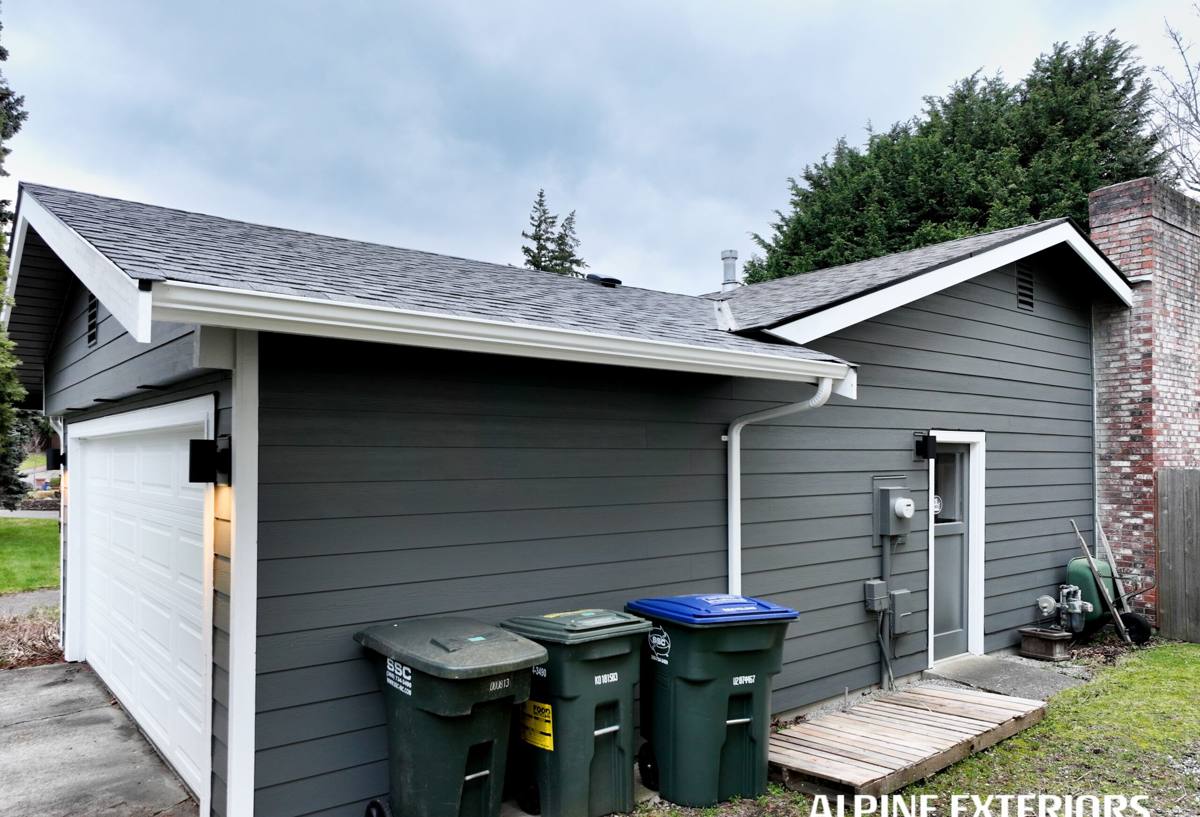
The Big Cost Drivers
House Size and Shape
Square footage of wall area is the starting point, but shape matters almost as much as size. A simple rectangular single-story home with few corners and few windows costs less per square foot to side than a house with dormers, bump-outs, multiple gables, and tall walls that require staging or lift rental. Cutting fiber cement around a dozen window returns and corner boards takes real labor time — a plain box shape doesn't.
Tear-Off vs. Overlay
Full removal of old siding down to the sheathing is more labor-intensive than installing over an existing layer, but it's also the only way to actually inspect and fix what's hiding behind the old cladding. In a wet climate like ours, we don't recommend siding over old siding — it traps whatever moisture problems already exist and voids most manufacturer warranties. Tear-off costs more up front and is the right call almost every time.
What's Found Underneath
This is the variable that turns a firm-sounding estimate into a range. Once old siding comes off, we sometimes find rotten sheathing, damaged framing, or moisture staining that wasn't visible from the outside. Houses in Lynden that have gone a long time between re-siding jobs, especially older farmhouses and homes near tree cover, are more likely to have hidden water damage from years of driving rain finding its way behind aging siding. A contractor who quotes a single fixed number with no mention of what happens if rot is found is either underestimating the risk or hasn't looked closely enough at your house yet.
Product Selection
Material cost per square foot varies by product line and by the level of trim and accessory work involved. Fiber cement, engineered wood, and vinyl sit at different price points, and within fiber cement itself there's a range between baseline lap siding and premium panel or shake styles. We'll get into product comparison below.
Trim, Soffit, and Accessory Work
Siding replacement rarely stops at the field material. Fascia, soffits, window and door trim, corner boards, and frieze boards often need to be replaced or upgraded at the same time, especially if they're original to a home that's 20-plus years old. Skipping this and only replacing the flat field siding can leave mismatched, failing trim next to brand-new walls.
A Rough Look at Where the Money Goes
| Cost Component | Typical Share of Total Job | Notes |
|---|---|---|
| Tear-off and disposal | Small to moderate | Higher if multiple old layers exist |
| Sheathing/framing repair | Variable | Unknown until old siding is off — the biggest swing factor |
| Water-resistive barrier and flashing | Small | Inexpensive relative to labor, but critical to long-term performance |
| Siding material | Large | Varies by product line and style |
| Trim, soffit, fascia | Moderate | Often bundled into the same project |
| Labor and installation | Large | Driven by house shape, height, and detailing |
| Paint or factory finish | Small to none | Factory-finished products remove this line item almost entirely |
Why Product Choice Changes the Math More Than People Expect
It's tempting to shop siding the way you'd shop flooring — pick a look, compare price per square foot, done. But siding products differ in ways that affect the total cost of ownership, not just the install-day invoice.
Vinyl siding is the cheapest material to buy and quick to install, but it's also thin, it expands and contracts with temperature swings, and it can fade, warp, or crack over time — none of which shows up in the initial price. Engineered wood products (like LP SmartSide) cost less than fiber cement up front but are wood-based, meaning they depend heavily on caulking, flashing, and paint maintenance schedules being followed exactly to avoid moisture-related swelling and edge damage. Primed spruce or cedar siding brings a natural look but demands the most ongoing maintenance of any option — regular repainting or re-staining, and vigilance against moisture, insects, and rot, especially in a marine climate that stays damp for much of the year.
We install James Hardie fiber cement siding exclusively, and it's a deliberate standard, not a default. Hardie's HZ5 product line is engineered specifically for the kind of climate Whatcom County sees — sustained moisture, salt-tinged coastal air, and long stretches of damp, moss-friendly weather. It's non-combustible, it holds a factory-applied ColorPlus finish that resists fading far longer than field-applied paint, and it comes with a strong transferable warranty when installed to Hardie's specifications. The material costs more than vinyl or engineered wood on day one. Over a 20- to 30-year ownership horizon, factoring in repainting cycles, moisture repairs, and replacement timelines for the alternatives, the total cost picture often favors fiber cement — which is the honest reason we standardized on it rather than offering a menu of options.
Local Factors That Affect Lynden Projects Specifically
Lynden sits close enough to the coast and the Nooksack River corridor that homes here deal with a specific combination of weather stresses: salt-tinged air moving in off the Sound, frequent driving rain rather than gentle showers, and a moss season that can run most of the year on shaded or north-facing walls. That combination punishes siding materials and fasteners that aren't built for sustained moisture exposure, and it's part of why we pay close attention to flashing details and drainage planes on every tear-off, not just on paper but in how the crew actually installs house wrap and z-flashing above windows and trim.
Homes on larger rural lots around Whatcom County often have more tree cover, which means more shade, more moss, and slower drying times after rain — all things worth mentioning to your contractor if they apply to your property, since they can affect both the prep work needed and the long-term maintenance plan.
Questions That Tell You a Lot About a Bid
Before comparing dollar totals, ask each contractor these questions. The answers reveal more than the price line does.
- Is this a full tear-off, and if hidden rot is found, how is that priced — allowance, change order, or included?
- What's included in trim, soffit, and fascia work, or is that a separate quote?
- What water-resistive barrier and flashing details are specified, not just "house wrap will be installed"?
- Is the quoted price for materials factory-finished, or does it assume field painting after install?
- What warranty applies to the material, and separately, what warranty covers the labor and installation?
- How is the crew planning to handle window and door transitions, corners, and any dormers or bump-outs?
Why a Low Bid Isn't Automatically a Good Deal
The widest gaps between bids usually come from what's excluded, not from one contractor being more efficient than another. A bid that skips flashing upgrades, assumes no rot will be found, uses a thinner or lower-grade product, or doesn't include trim work will always look cheaper on paper than one that accounts for those things up front. The real comparison isn't the number — it's the scope behind the number.
What a Realistic Estimate Process Looks Like
A trustworthy estimate starts with someone actually walking your property, looking at the current siding's condition, checking soffits and trim, and asking about any known leaks or moisture history. From there, a fair proposal spells out what happens if the crew finds sheathing damage once the old siding comes off, rather than leaving that as a surprise mid-project. It should also be specific about which siding line and style is being quoted, what trim and flashing work is included, and what warranty coverage applies to both material and labor.
If you're weighing a siding replacement on a home in Lynden or elsewhere in Whatcom County, we're glad to walk the property with you, point out anything we see — good or bad — and put together a straightforward, no-pressure estimate using James Hardie fiber cement siding built for this climate. There's a form below if you'd like to get one started.