 Lynden Siding
 Windows Built for Life Around Wiser Lake
Wiser Lake sits in a pocket of Whatcom County that gets the full range of what Pacific Northwest weather can throw at a house. Homes here face low winter sun angles off the water, long stretches of damp shade under fir and cedar, and the kind of steady, driving rain that finds every gap in a tired window frame. If you own a home on or near Wiser Lake, you already know your windows work harder than windows on a dry inland lot. Custom window work here isn't about luxury for its own sake — it's about matching the window to the house, the exposure, and the way water moves across this property.
This page is specifically about custom window installation and replacement for homes in the Wiser Lake area, just outside Lynden. If you're looking for general window information for the wider region, that's a separate conversation — this one is about what actually works a few hundred feet from lake-moist air and shaded tree cover.
Why This Climate Is Hard on Windows
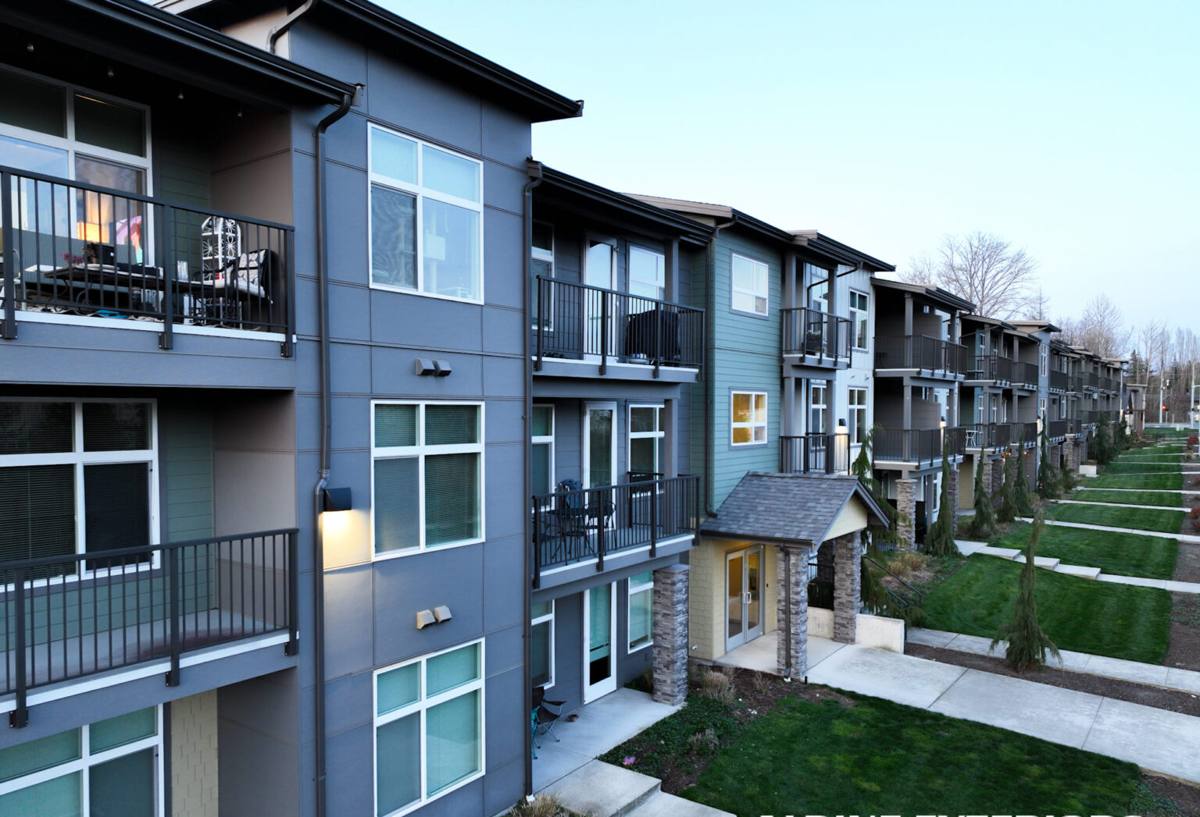
Whatcom County's climate is shaped by moisture-laden air moving in off the Salish Sea and Puget Sound lowlands, and that marine influence reaches inland communities like Wiser Lake as steady humidity, frequent drizzle, and long grey stretches where surfaces simply don't dry out. Add a lake at the bottom of the property and you get extra ambient moisture rising off the water on top of what's already falling from the sky.
Three things we watch for on every Wiser Lake job
- Driving rain, not just rainfall. Wind off the lake pushes rain sideways into west- and south-facing walls, which stresses sill flashing and sealant joints far more than a sheltered wall ever sees.
- A long moss season. Shaded, moisture-retentive sites around the lake grow moss and algae on siding, trim, and window sills for a good part of the year. Moss holds water against wood and paint far longer than open sun ever would.
- Persistent humidity and condensation. Homes close to the water often run higher interior humidity, which shows up as fogging, sweating glass, or soft spots in older wood sashes long before the rest of the house shows its age.
None of this means a house near Wiser Lake needs anything exotic. It means the window, the flashing, and the sealant all need to be chosen and installed with this specific exposure in mind — not the generic assumption that "any decent window will do."
What "Custom" Actually Means Here
Custom windows aren't automatically bigger or fancier. For a Wiser Lake property, "custom" usually means one or more of the following:
- Non-standard openings — older lake cabins and additions built over the years rarely have stock-sized rough openings, so windows have to be built or trimmed to fit rather than forcing the wall to fit a stock size.
- Larger view openings facing the water, which need heavier-duty framing, reinforced glazing, and careful structural support since a big pane behaves very differently than a standard 3x4 window in wind and moisture.
- Matching sightlines across a row of windows on a lake-facing wall so the view reads as one continuous line instead of mismatched units installed over different renovations.
- Shape matches for gable-end or dormer windows on older homes where replacement units simply aren't sold off the shelf anymore.
The goal on a lake property is almost always the same: let in the view and the light without giving up the weather performance the site demands. Those two goals can fight each other if the window and installation aren't planned together, which is where a lot of DIY-store window jobs fall short.
Choosing the Right Frame Material for a Lake Property
Frame material matters more here than it would on a drier, more exposed lot inland. The table below reflects our honest read on trade-offs for a Wiser Lake exposure specifically — not a general ranking that applies everywhere.
| Frame Material | How It Handles This Climate | Maintenance | Best Fit |
|---|---|---|---|
| Vinyl | Doesn't absorb moisture or rot; handles humidity well; can flex slightly in big temperature swings | Low — occasional cleaning | Most standard and mid-size openings, budget-conscious replacements |
| Fiberglass | Very stable in temperature and moisture, holds paint well if color-matching trim | Low | Larger lake-view openings, homes wanting a painted look |
| Aluminum-clad wood | Wood interior warmth with a weather-resistant exterior shell; cladding must be sealed correctly at every joint | Moderate — watch cladding seams | Homes wanting a wood interior look without exposing wood to the weather |
| Bare wood | Handsome, but exposed wood in this much ambient moisture and shade needs disciplined upkeep or it will fail early | High | Interior-only trim or fully protected, covered exposures |
We're honest with clients about bare wood on lake-facing walls: it's not that wood windows are bad, it's that unprotected exterior wood in a shaded, moisture-heavy exposure asks a homeowner to keep up a maintenance schedule most people don't stick to for ten-plus years. That's a maintenance-burden conversation, not a knock on wood as a material.
What a Correct Installation Actually Involves
The window unit itself is maybe half the job. The other half — the part nobody sees once trim goes back on — is what determines whether that window is still performing in fifteen years or leaking behind the wall in five.
Non-negotiables on every install
- Remove old flashing and sealant fully rather than caulking over failed material — trapped moisture behind old sealant is one of the most common causes of hidden rot we find on lake-area homes.
- Install a proper sloped sill pan so any water that gets past the window body drains back outside instead of pooling against the framing.
- Layer flashing tape shingle-style (top layer over the one below) so water is always directed downward and outward, never into a seam.
- Use a compatible, rated sealant at every joint — mixing incompatible sealants and flashing tapes is a common shortcut that fails quietly over a few seasons.
- Shim and square the unit properly before fastening, so the sash operates correctly and weatherstripping seals evenly on all sides.
- Insulate the gap between the window frame and rough opening with a low-expansion foam or backer rod, never packed too tight, which can bow the frame.
Any one of these steps skipped is invisible on install day and shows up as a soft sill, a fogged pane, or a drafty room two or three winters later — right when it's hardest to trace back to the install.
Our Process, Start to Finish
- On-site walkthrough. We look at each opening individually — sun exposure, wind direction off the lake, existing damage, and what's actually behind the trim before quoting anything.
- Honest assessment. We tell you plainly which windows need full replacement, which just need better flashing and sealant, and which are fine as-is. We don't upsell a full-house job when a targeted repair will hold.
- Custom measure and order. For non-standard openings we measure precisely and order or build to fit, rather than trimming the house to fit a stock window.
- Installation. Old units and failed flashing come out completely; new flashing, sill pans, and sealant go in to current best practice for this specific exposure.
- Weather test and walkthrough. We check operation, seal, and finish with you before calling the job done, and we clean up fully — no leftover debris on the property.
Signs Your Current Windows Are Already Struggling
Because the damage from moisture and driving rain builds slowly, most homeowners around Wiser Lake don't notice a failing window until it's fairly far along. Worth checking for:
- Fogging or a milky haze between the panes of a double-pane unit — the seal has failed and the insulating gas is gone.
- Soft or spongy wood at the sill or bottom corners of the frame, often hidden under paint that still looks fine.
- Persistent moss or dark staining on the sill or exterior trim that keeps coming back no matter how often it's cleaned.
- A noticeable draft or cold spot near the window edge in winter, even with the window latched shut.
- Difficulty opening, closing, or locking a window that used to operate smoothly — a sign the frame has shifted or swollen.
- Visible daylight or a whistling sound around the frame during a windy, wet stretch off the lake.
What Drives Cost on a Custom Window Job
We won't quote a number without seeing the openings, but here's what actually moves the price up or down on a lake-area custom window job, roughly in order of impact:
| Cost Factor | Why It Matters |
|---|---|
| Standard size vs. custom-built size | Custom or non-standard openings require made-to-order units, which cost more than stock sizes and take longer to arrive |
| Frame material | Vinyl is generally the most affordable; fiberglass and clad-wood run higher, especially at larger sizes |
| Glass package | Double-pane with a Low-E coating is standard for this climate; upgraded coatings or triple-pane add cost but can be worth it on exposed, lake-facing walls |
| Condition behind the old window | Hidden rot or water damage found once the old unit is removed adds repair time before the new window can go in — this is the most common source of a revised estimate |
| Access and height | Second-story or hard-to-access openings take longer and require more setup |
As a rough, honest range: straightforward vinyl replacements in a standard-size opening often run several hundred to a bit over a thousand dollars per window installed, while larger custom picture windows or clad-wood units on a lake-view wall can run considerably higher. Exact numbers depend entirely on what we find at your specific openings.
Why It Matters That We Already Work This Lake
A crew that's worked other homes around Wiser Lake already knows which walls take the worst of the wind-driven rain, how long moss season actually runs here versus a drier part of Whatcom County, and which older local homes tend to have non-standard openings that need a custom fit rather than a stock swap. That's not a small advantage — it means fewer surprises once the old window comes out, and a quote that holds up because it was built around what this specific site actually needs, not a generic estimate written from a spec sheet.
We're a Lynden-based crew, and Wiser Lake is close enough to home that we're not learning the site on your dime. If you're weighing a full replacement, a partial repair, or just want a straight answer on whether your current windows are actually failing or just look rough, we're happy to come take a look. There's no pressure and no obligation — just a straightforward look at your windows and an honest recommendation, with a free estimate whenever you're ready.