 Lynden Siding
 Windows Built for Everson's Climate, Not Just the Showroom
Everson sits in a stretch of Whatcom County where the weather doesn't do anything in half measures. Winters bring long stretches of driving rain that comes in sideways more often than straight down. Wind off the Sound carries salt-laden moisture inland, and the shaded, damp conditions that settle into this part of the valley keep moss and algae growing on rooflines and siding for most of the year. Windows are one of the first places that combination shows up as a problem — not because the glass fails, but because the installation around it wasn't built to handle sustained moisture exposure.
A window opening is a hole cut into your home's weather barrier. Everything about whether that hole stays dry for the next twenty years comes down to how the flashing, sealants, and trim details around the window were handled on installation day. That's the part of the job that doesn't show up in a product brochure, and it's the part that matters most in a climate like this one.
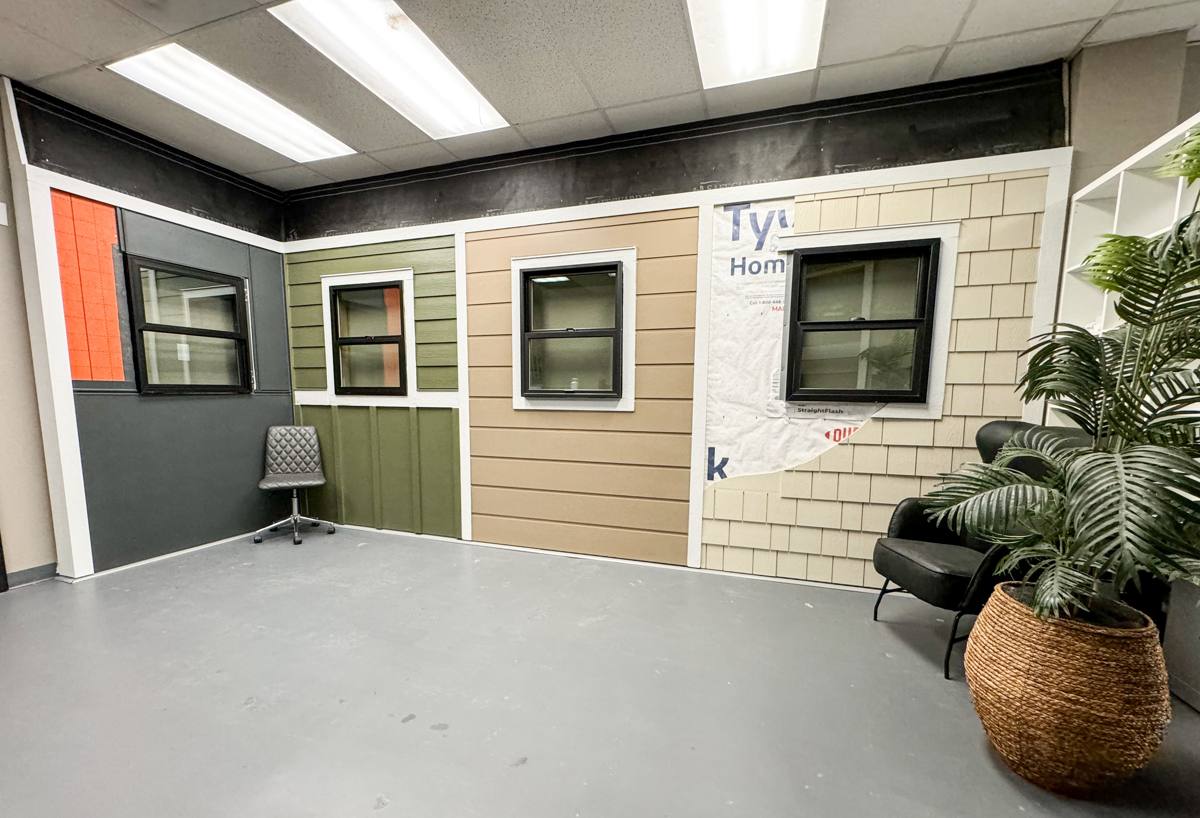
What Everson Homes Need From a Window Installation
Homes in this area generally fall into a few categories: older farmhouses and post-war homes with original wood-frame windows well past their service life, homes from the 1980s–2000s with aging aluminum or first-generation vinyl windows, and newer builds where windows are in better shape but siding or trim work has disturbed the original flashing. Each of these needs a slightly different approach, but the underlying requirement is the same — the new window has to shed water completely, seal out drafts, and resist the slow moisture creep that this climate specializes in.
Moisture Is the Real Adversary
Wood rot around window openings is rarely caused by one big leak. It's almost always the result of small amounts of water getting behind the trim or siding, over and over, for years, with nowhere to drain and no chance to dry out between rain events. In a county that sees this much sustained wet weather, an installation that doesn't manage water intentionally will eventually fail — it's just a matter of when.
Wind-Driven Rain Changes the Approach
Rain that comes in at an angle tests window installations in ways that straight-down rain doesn't. Sill pans, properly lapped flashing, and correctly sealed nailing flanges matter more here than they would in a drier, calmer climate, because wind pressure can push water uphill against gaps that would otherwise stay dry.
What a Correct Installation Actually Involves
Swapping an old window for a new one is the easy part. Getting the water management right around it is where the job is won or lost.
Removal and Inspection
Once the old window is out, the rough opening gets inspected for rot, soft framing, or signs of past water intrusion. This is the point where problems that have been hidden behind trim for years finally become visible — and it's important to deal with them now rather than sealing a new window over compromised framing.
Flashing and Drainage
A sill pan or flashing membrane at the bottom of the opening gives any water that does get past the window a way out instead of a place to pool. Side and head flashing get lapped in the correct shingle-style order — top piece over the one below it — so water is always directed outward and down, never trapped behind a seam.
Air Sealing and Insulation
The gap between the window frame and the rough opening gets sealed with a proper backer rod and sealant or low-expansion foam — not packed solid with standard spray foam, which can bow the frame and cause the window to operate poorly. This step controls drafts and helps keep condensation from forming on cold interior surfaces during winter.
Exterior Trim and Sealant
The final seal at the exterior trim line is what homeowners actually see, but it only works long-term if everything underneath it was done correctly. Sealant is a finishing touch, not a substitute for proper flashing.
Choosing a Window Type for This Climate
There isn't one "correct" window brand for every home, but there are real differences in how frame materials hold up under sustained damp, salt-influenced conditions. Here's how the common options generally compare for this area:
| Frame Material | Moisture Resistance | Maintenance | Typical Fit for Everson |
|---|---|---|---|
| Vinyl | Very good — won't rot, resists salt air well | Low; occasional cleaning | Strong all-around choice for most homes |
| Fiberglass | Excellent — very stable in wet/dry cycling | Low | Good for homes wanting a slimmer profile or paintable frame |
| Aluminum | Fair — prone to condensation without thermal breaks | Moderate | Usually only recommended with a thermally broken frame |
| Wood-clad | Depends heavily on the cladding and installation detailing | Higher; exposed wood needs upkeep | Best reserved for homes prioritizing a specific interior wood look |
We don't push wood-frame windows without cladding in this climate. Bare exterior wood in a county with this much sustained rain and moss growth is a maintenance commitment most homeowners don't want, and even well-maintained wood is more installation-sensitive than vinyl or fiberglass when it comes to long-term moisture behavior. That's a professional judgment call on our end, not a knock on any particular manufacturer — it's about matching the material to the weather it has to survive.
Our Installation Process
- On-site assessment — we look at existing windows, framing condition, and any signs of past water intrusion before quoting anything.
- Measurement and product selection — exact rough opening measurements, plus a conversation about frame material, glass package, and grille style based on your home and budget.
- Careful removal — old windows come out without unnecessary damage to surrounding siding or interior trim.
- Framing repair if needed — any rot or soft wood found during removal gets addressed before the new window goes in, not covered up.
- Flashing and installation — sill pan, flashing, and air sealing done in the correct order, every time.
- Trim and finish work — exterior and interior trim reinstalled or replaced, sealant applied, hardware and operation checked.
- Walkthrough — we confirm every window opens, closes, and locks correctly before we consider the job done.
What We Commonly Find in Older Everson Homes
Pulling old windows in this area, a few patterns show up often enough to be worth mentioning:
- Original wood sills softened by years of slow moisture absorption, even when the interior paint still looks fine
- Missing or improperly lapped flashing from a prior remodel or re-side that left the window vulnerable behind the trim
- Aluminum frames with heavy interior condensation staining from a lack of thermal break
- Caulk used as the only water management strategy, with no flashing behind it at all
- Moss and organic buildup trapped against sills and trim, holding moisture against the wood longer than it should sit
None of these are unusual for the area — they're a predictable result of this climate working on a window installation over enough years. The point of a proper replacement is to remove the conditions that caused the problem, not just cover it with a new frame.
What Affects the Cost of a Window Installation
We don't quote sight unseen, but the main variables that move a project's cost up or down are consistent from home to home:
| Factor | Why It Matters |
|---|---|
| Number and size of openings | More or larger windows mean more material and labor |
| Frame material | Vinyl is typically the most budget-friendly; fiberglass and wood-clad cost more |
| Glass package | Double-pane vs. triple-pane, Low-E coatings, and gas fills all affect price and performance |
| Condition of the rough opening | Rot repair or reframing adds time and material beyond a straightforward swap |
| Trim and siding scope | Full trim replacement or siding tie-in costs more than reusing existing trim in good condition |
| Access and window height | Second-story or hard-to-access openings take more time to work safely |
We walk through each of these during the estimate so you know exactly what's driving the number, rather than getting a flat price with no explanation behind it.
Why It Matters to Hire a Crew That Already Works in Everson
A window installer who mostly works in drier parts of the country can do a technically fine job and still leave you with a home that leaks in three years, simply because they weren't accounting for what this climate does to a building envelope over time. Crews who work Whatcom County regularly know which older home styles in this area tend to hide rot, how moss and drainage patterns around a given lot affect a window's exposure, and why cutting a flashing corner that would be fine somewhere drier is not acceptable here. That local pattern recognition is hard to substitute with generic training, no matter how good the installer's technique is on paper.
It also matters for the practical side of the job — knowing which permits or inspections a given municipality requires, understanding typical framing and siding types used in homes built in this area during different decades, and being available locally if a question comes up after the install rather than being a crew that's long gone to the next region.
After Installation: Keeping Windows Performing in This Climate
A correctly installed window needs very little from you, but a few habits go a long way in a climate like this one:
- Rinse sills and tracks periodically to clear dirt and organic debris before it holds moisture against the frame
- Check exterior caulk lines once a year, especially after a hard winter, and have any cracked sealant addressed early
- Keep gutters and downspouts clear so roof runoff isn't sheeting down across window openings
- Trim back vegetation or moss growth that's shading a window and keeping it damp longer than the rest of the exterior
- Operate locking hardware occasionally even on windows you don't open often, so mechanisms don't seize up
These are small habits, but in a county that gets this much sustained wet weather, they're what separates a window installation that still looks and performs great after fifteen years from one that starts showing problems in five.
Get a Straight Answer on Your Windows
If you're dealing with drafty, foggy, or hard-to-operate windows in Everson, or you're just planning ahead for a home built before better flashing practices were standard, we're happy to take a look and give you an honest read on what's actually needed. Use the form below to request a free, no-pressure estimate — we'll walk the property, answer your questions, and give you a clear picture of your options before anything is decided.