 Lynden Siding
 Windows in Sumas Take a Different Kind of Beating
Sumas sits low in the Nooksack River valley on open Whatcom County farmland, close enough to the water that marine air and salt-tinged fog roll through on a regular basis. There's little tree cover or terrain to break the wind out on that flat ground, so rain doesn't just fall in Sumas — it drives sideways into window frames, trim, and siding for days at a time during the wet season. Add in a moss season that can run from October through May, and you've got a recipe for windows that fail years before they should if they weren't installed correctly the first time.
We install windows in Lynden and the surrounding Whatcom County communities, including Sumas, and the biggest difference we see between a window that lasts twenty-five years and one that starts leaking in year three isn't the brand on the sticker — it's whether the installer treated flashing, sealing, and the rough opening as seriously as the window itself.
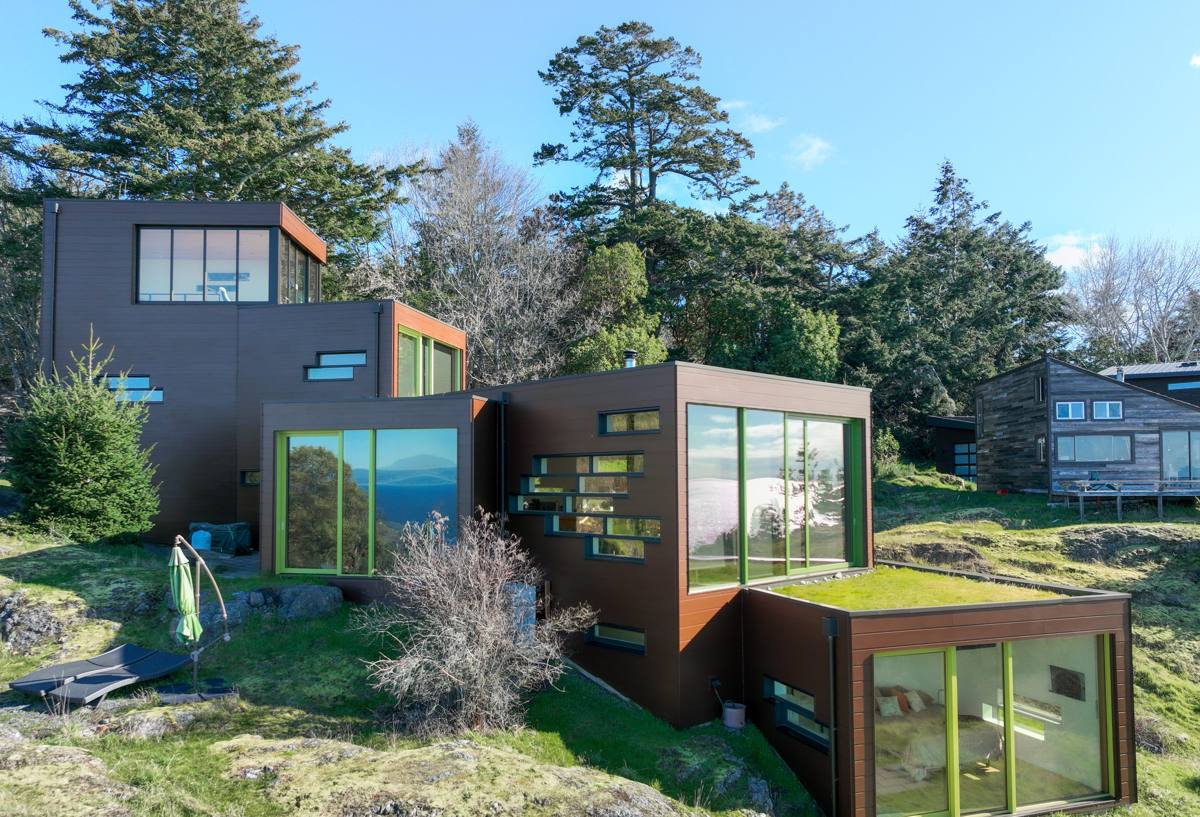
Signs a Sumas Home Needs New Windows
Some of these show up gradually, and homeowners often chalk them up to "old house" quirks rather than a failing window system. Worth a look if you're seeing any of the following:
- Fogging or a hazy film between the panes of a double-pane window — the seal has failed and the gas fill is gone
- Soft or dark wood at the sill, jamb, or trim around a window, especially on walls facing the prevailing wind and rain
- Moss or black algae staining building up on the sill or the siding just below a window, faster than the rest of the house
- Windows that are hard to open, don't latch flush, or have visibly sagged in the frame
- Noticeable drafts or a cold spot near the window even with it fully closed
- Single-pane glass still in place — common in older Sumas farmhouses and never adequate for this climate
- A heating bill that's crept up without any other obvious cause
What a Correct Window Installation Actually Involves
A window installation is really a small waterproofing project with a window in the middle of it. Skipping steps here doesn't show up right away — it shows up two or three winters later, as rot inside the wall that's expensive to fix compared to doing it right the first time.
Removing the Old Window and Reading the Opening
Before anything new goes in, we pull the old window out carefully and look at the rough opening underneath — the sheathing, the framing, and any existing flashing. This is where problems that were invisible from inside or outside the house get found. If there's rot at the sill or the studs from a previous leak, that gets repaired before a new window ever goes in. Installing a new window over a compromised opening just hides the problem for a while.
Sill Pan Flashing
The sill of the opening gets a sloped, waterproof pan so that any water that does get past the window — through condensation, wind-driven rain, or a future seal failure — drains back out instead of pooling against wood framing. This one detail is one of the most commonly skipped steps in lower-cost installs, and it's the one that matters most in a climate with this much driving rain.
Integrating Flashing With the Water-Resistive Barrier
The window flange has to be flashed in the correct shingle-lap order with the house wrap or building paper — flashing tape at the sides, then the top, layered so water sheds down and out rather than behind the next layer up. Done out of order, or with the wrong tape for the substrate, this detail fails quietly and you don't find out until there's damage inside the wall.
Shimming, Insulation, and Trim
The window gets shimmed square and plumb, not just wedged into place, so it operates smoothly for years rather than binding or sagging. The gap between the window frame and the rough opening gets insulated — never packed so tight it bows the frame, never left hollow — and then interior and exterior trim goes back on clean. Sealant is the last line of defense, not the first, and we don't rely on a bead of caulk to do a flashing detail's job.
Choosing the Right Window for Sumas Conditions
There's no single "best" window material for every house, but there are real trade-offs worth understanding before you buy. Here's how the common options hold up in a wet, windy, moss-prone climate like this one:
| Frame Material | Moisture & Rot Resistance | Maintenance | Best Fit |
|---|---|---|---|
| Vinyl | Very good — won't rot, resists moisture intrusion at the frame itself | Low; occasional cleaning | Most Sumas homes; strong value and low upkeep |
| Fiberglass | Excellent — dimensionally stable in temperature swings, holds paint and seals well | Low | Homes wanting a higher-end feel and longer-term stability, at a higher upfront cost |
| Wood-Clad | Good on the exterior clad side, but the interior wood face and any exposed wood trim needs ongoing attention in this rainfall pattern | Moderate to high | Homeowners set on a wood interior look who are willing to keep up on maintenance |
We don't push wood-clad windows on every job, and we're upfront about why: in a climate with this much sustained rain and moss growth, any exposed wood detail around a window is a maintenance commitment, not a one-time purchase. That's a fair trade-off for some homeowners and not for others — our job is to lay it out honestly rather than sell the product with the biggest margin.
What Affects the Price of a Window Installation
Every Sumas home is different, so we won't quote a number without seeing the house, but these are the factors that actually move the price:
| Factor | Why It Matters |
|---|---|
| Full-frame vs. insert replacement | Insert replacement reuses the existing frame and is faster and cheaper; full-frame replaces everything down to the rough opening and is the right call when there's any rot or when the opening needs correcting |
| Rot or water damage found at demo | Framing or sheathing repair adds labor and material that can't be scoped until the old window is out |
| Number and size of openings | Larger and less standard sizes, or specialty shapes, cost more than stock double-hung or slider sizes |
| Glass package | Double-pane with Low-E coating is standard; upgraded gas fills or triple-pane add cost and are worth discussing for north- and west-facing walls that take the worst of the weather |
| Trim and siding integration | Matching existing trim profiles or coordinating with siding work adds carpentry time but avoids a mismatched, obviously-patched look |
How We Approach a Sumas Window Job
The process is straightforward, but we don't shortcut any of it:
- An in-person walkthrough to look at each window, check for existing rot or drainage issues, and take real measurements — not a phone estimate
- A written quote that specifies frame material, glass package, and whether the job is insert or full-frame replacement, so there's no ambiguity later
- Careful removal of the old windows and inspection of every rough opening before anything new goes in
- Proper sill pan flashing, house-wrap integration, and shimming on every window, every time — not just on the ones facing the street
- Interior and exterior trim finished to match the house, with the job site cleaned up daily and at completion
Why a Crew That Already Works in Sumas Matters
Sumas and Lynden share the same weather pattern, but Sumas homes tend to sit more exposed — open farmland with less wind break than the tree-lined lots closer to town. A crew that works this area regularly knows to plan around that exposure, knows the older farmhouse construction that's common out here, and knows not to schedule exterior demo on a day when a wind-driven rain system is rolling in off the valley. That's not something you can fully account for from a general contractor's checklist — it comes from having done the work here before.
Local also means accountability. If a flashing detail ever needs a second look after a hard winter, you're calling a crew that's a short drive away and has a record of the job, not chasing down a company that worked in the area once.
Living With New Windows Through Moss Season
A correctly installed window doesn't mean zero maintenance — it means the maintenance that's left is cosmetic instead of structural. Keep weep holes and drainage tracks clear of debris and moss buildup, rinse pollen and grime off the glass and frame a couple of times a year, and check caulking lines at trim joints annually since sealant is a wear item even when the flashing behind it is doing its job correctly. None of that is heavy work, and it's a fraction of what's involved in chasing rot around a poorly flashed window.
If you're seeing drafts, fogged glass, soft trim, or you're just ready to stop fighting old single-pane windows through another Whatcom County winter, we're happy to come take a look. The estimate is free, there's no pressure, and you'll get a straight answer about what your home actually needs — just fill out the form below to get started.