 Lynden Siding
 Siding in Acme Has to Answer to Whatcom County Weather
Homes around Acme sit inside one of the more punishing exterior environments in Washington. Between the salt-laden air moving in off the Sound, driving rain that doesn't let up for weeks at a stretch, and a moss season that can run from fall through spring, siding here works harder than it does almost anywhere else in the state. Materials that hold up fine in a drier inland climate start showing problems within a few years out here — cupping, staining, soft spots, paint that won't hold. A siding job that's "good enough" somewhere else usually isn't good enough in Acme.
This page is about one thing: installing James Hardie fiber cement siding correctly on homes in and around Acme. Not a general overview of siding options, not a sales pitch — a straight explanation of what this climate demands, what a correct installation actually involves, and why it matters that the crew on your roofline already knows this area.
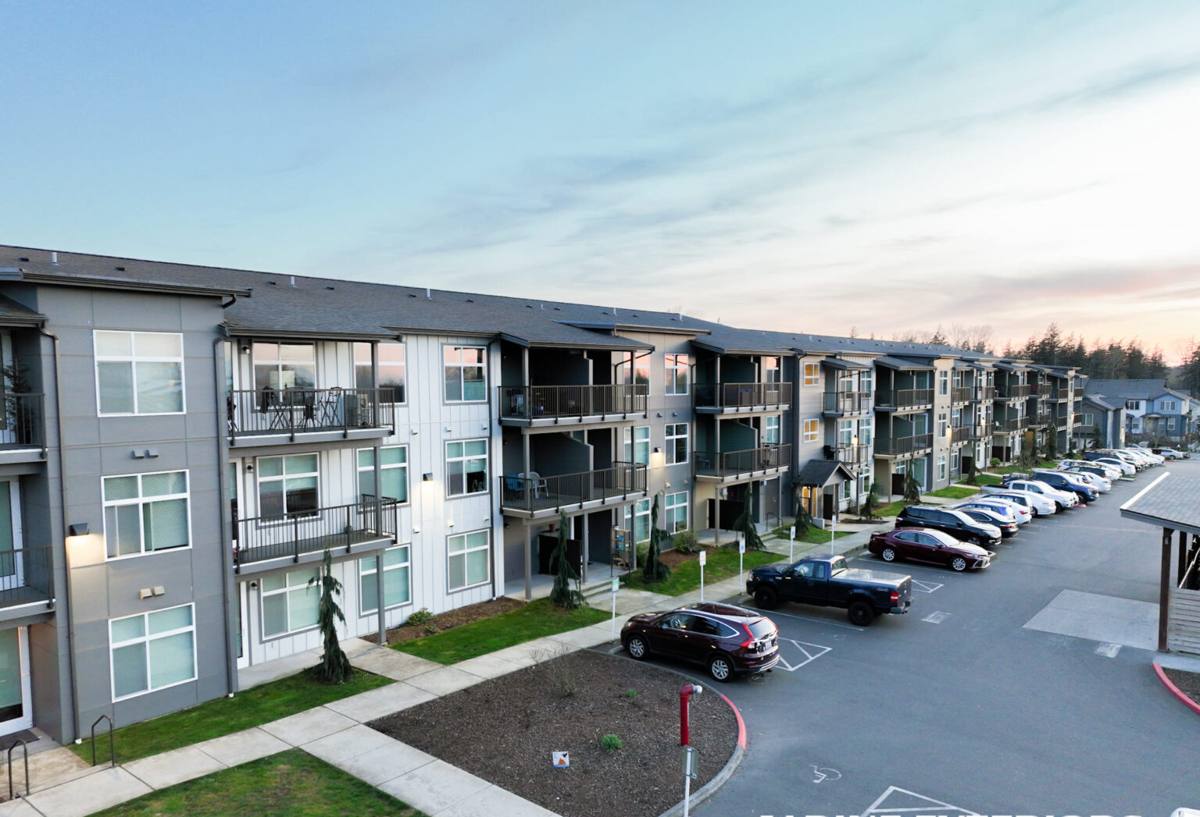
What Salt Air, Rain, and Moss Actually Do to Siding
Each of these three conditions attacks siding a different way, and a good installation has to account for all three at once.
Salt Air
Airborne salt is corrosive to metal fasteners, flashing, and trim components, and it accelerates the breakdown of lower-grade paint finishes. Siding that isn't factory-finished to resist it will chalk, fade, and lose adhesion faster near the water than it would inland — even a few miles can make a visible difference.
Driving Rain
Whatcom County doesn't just get a lot of rain — a good share of it comes in sideways, driven by wind off the water. That kind of weather finds every gap in a siding system: unsealed seams, missing flashing, butt joints that weren't backed properly. Water that gets behind the siding and can't drain or dry out is what causes rot in the sheathing and framing underneath, which is a far more expensive problem than the siding itself.
Moss and Sustained Moisture
A long moss season means siding, trim, and the ground line around a house stay damp for extended stretches. Moss and algae hold moisture against the surface, which is hard on paint film and, on the wrong material, can encourage rot at the point of contact. Siding in this region needs to be able to sit damp for days without degrading, and it needs a finish that doesn't give organic growth an easy foothold.
Why Fiber Cement Is the Right Material Class for This Area
Fiber cement is cement, sand, and cellulose fiber, and none of those ingredients rot, warp, or feed insects. That single fact solves most of what Acme's climate throws at siding. It doesn't swell when it takes on moisture the way wood-based products can, and it's dimensionally stable enough that it holds paint and caulk lines far longer than wood siding does in a wet climate. It's also non-combustible, which matters increasingly in Washington as wildfire smoke and ember exposure become a bigger part of home insurance conversations statewide, even on the wet side of the mountains.
Not all fiber cement is built the same, though, and that's the reason this company installs only James Hardie. Hardie engineers its siding by climate zone, backs it with a factory-applied finish rather than a job-site paint job, and has a long enough track record in the Pacific Northwest that its performance here isn't a guess.
The James Hardie System We Install
Hardie's HZ5 product line is engineered specifically for climates like this one — cold, wet, and humid for long stretches of the year — with a formulation designed to resist moisture-related damage better than the warm-climate HZ10 version sold in the Southeast and Southwest. That's not a marketing distinction; it's a different manufacturing spec for a different set of conditions, and this region qualifies for the HZ5 line.
Depending on the home and the look the owner wants, the system typically includes:
- HardiePlank lap siding — the most common choice, available in several exposure widths and textures, from smooth to a traditional cedar-grain look
- HardiePanel — vertical panel siding, often used for accents, gable ends, or a modern board-and-batten look
- HardieShingle — for homes where a shingle-style accent area fits the architecture
- HardieTrim — matching trim boards for corners, window and door surrounds, and fascia, so the whole exterior is one integrated system rather than fiber cement siding paired with mismatched wood trim
Every one of these comes with Hardie's ColorPlus factory finish as an option — baked-on color applied under controlled conditions, which holds up to UV and salt air significantly better than field-applied paint and carries its own finish warranty separate from the substrate warranty.
What a Correct Installation Actually Involves
Fiber cement siding is only as good as the installation behind it. This is where most of the real-world problems with any siding product actually originate — not in the material, but in shortcuts taken during the install. A correct job includes a weather-resistive barrier installed and lapped properly, rigid flashing at every horizontal transition and penetration, correct fastener type and placement per Hardie's published specs, proper clearance from grade, roof lines, and decks, and joints that are either caulked per spec or covered with a trim detail designed for that purpose.
| Detail | Correct Practice | Common Shortcut |
|---|---|---|
| Fasteners | Corrosion-resistant nails or screws, set at the manufacturer's specified spacing and depth | Standard fasteners over-driven or under-driven, which can crack the board or leave it loose |
| Clearance from grade/decks | Minimum clearance maintained per Hardie's install guide so the bottom edge never sits in standing water | Siding run tight to grade or a deck surface, trapping moisture at the most vulnerable edge |
| Butt joints | Backed with flashing or a Z-channel and properly sealed | Caulk alone over an unbacked joint, which fails once the caulk ages |
| Weather barrier | Continuous house wrap or building paper, correctly lapped shingle-style | Gaps or reverse laps that let wind-driven rain track behind the siding |
| Cut-edge sealing | Field-cut edges sealed per manufacturer spec | Cut edges left unsealed, exposing raw fiber cement to moisture |
None of this is exotic — it's published in Hardie's own installation manuals. But it takes time to do right, and it's the first thing that gets skipped when a job is priced or scheduled too tight. It's also the reason Hardie's product warranty can be voided by installation that doesn't follow spec, which is a good filter: any contractor who treats these details as optional isn't protecting the warranty you're paying for.
How Our Process Works
From first call to final walkthrough, the process is the same every time, because consistency is what keeps a job from developing problems later.
- On-site assessment. We look at the existing siding and substrate, check for hidden moisture or rot, and identify anything — window flashing, trim condition, deck attachment — that needs to be addressed as part of the job, not discovered mid-project.
- Written estimate. A clear scope of work and price, spelling out exactly which Hardie products, colors, and trim details are included.
- Substrate prep. Old siding removed, sheathing inspected and repaired where needed, and any damaged material replaced before anything new goes up.
- Weather barrier and flashing. The water-management layer goes in first and gets inspected before it's covered — this is the layer that actually keeps water out, and it's invisible once the siding is on.
- Siding and trim installation. Installed to Hardie's published spec for fastening, clearance, and joint treatment, with HZ5-rated product throughout.
- Final walkthrough. We go over the finished exterior with the homeowner, confirm everything matches the estimate, and review warranty registration.
Signs a Home Near Acme Should Get Looked At Sooner Rather Than Later
Because this region's weather is consistently hard on siding, small problems don't stay small for long. Worth a call if you're seeing any of the following:
- Soft, spongy, or crumbling areas anywhere on the siding, especially near the bottom courses or around windows
- Persistent moss or algae growth that keeps coming back within weeks of cleaning
- Paint that's peeling, bubbling, or chalking heavily, particularly on walls facing prevailing wind and rain
- Visible gaps, warping, or cupping in horizontal boards
- Staining or discoloration streaking down from seams or trim joints, which usually points to water tracking behind the siding
- Rising energy bills with no other obvious cause, which can indicate moisture-compromised insulation behind failing siding
Cost Factors for a Fiber Cement Siding Project in This Area
Every home is different, so a real number only comes from an on-site look, but the main variables that move the price are consistent across jobs in this area.
| Factor | Why It Matters |
|---|---|
| Home size and wall complexity | More square footage and more corners, gables, and cut-ins mean more material and more labor time |
| Substrate condition | Rotted sheathing or framing found during tear-off adds repair scope before new siding can go on |
| Product mix | Lap siding, panel accents, shingle sections, and trim packages each carry different material costs |
| Finish choice | Factory ColorPlus finish costs more up front than primed board but eliminates the cost of a full paint job down the line |
| Access and site conditions | Steep lots, limited access, or extensive landscaping to work around affect labor time |
| Tear-off vs. re-side | Removing old siding down to the sheathing versus siding over existing material changes both cost and long-term performance |
Why It Matters That Your Crew Already Works Acme and Lynden
A crew that regularly works this part of Whatcom County has already seen how these specific conditions play out on real houses — which wall orientations take the worst weather, how quickly moss returns on a shaded north side, where standard clearances need to be increased because of a particular site's drainage. That's not something you get from a general contractor who occasionally does a siding job between other work. It shows up in fewer callbacks, fewer surprises during tear-off, and a finished job that's actually built for the address it's on rather than a generic installation.
It also matters for warranty support. If a manufacturer or installation issue does come up years down the road, having a local, established crew who can respond — rather than chasing down a contractor who's moved on or was never local to begin with — is worth factoring into who you hire.
Living With Fiber Cement Siding After It's Installed
One of the practical advantages of a correctly installed Hardie system in a climate like this is how little upkeep it demands compared to wood or lower-grade siding. A rinse with a garden hose once or twice a year keeps salt residue and surface grime from building up — pressure washers should be avoided or used with extreme caution, since forcing water at high pressure toward seams and joints can push moisture where it doesn't belong. Moss and algae can be treated with a mild cleaning solution rather than aggressive scrubbing, and because the ColorPlus finish is baked on rather than painted on, it doesn't need repainting on the same cycle wood siding does. Keeping gutters clear and vegetation trimmed back from exterior walls goes a long way toward keeping moisture and organic growth away from the siding in the first place.
If your home is in the Acme area and you're weighing a siding replacement, we're glad to come take a look and give you a straight, no-pressure estimate — what your home actually needs, what it would cost, and what the timeline looks like. Use the form below to get started.