 Lynden Siding
 Window Replacement in Everson: Built for Whatcom County Weather
Everson sits in the part of Whatcom County where marine-influenced weather off the Salish Sea meets the lowlands near the Nooksack River — long wet winters, driving rain that comes in sideways more often than straight down, and a mossy, humid stretch of the year that never fully dries out. Windows here don't fail because they're old in the abstract sense. They fail because moisture finds a way in through worn seals, tired glazing, or trim that's been soaking up water for a decade, and once that starts, it doesn't stop on its own.
We install and replace windows across Everson and the surrounding Lynden area, and the pattern is consistent: the homes that hold up best are the ones where the windows were installed correctly the first time, with proper flashing and sealing for this specific climate — not just dropped into an opening and caulked around the edges.
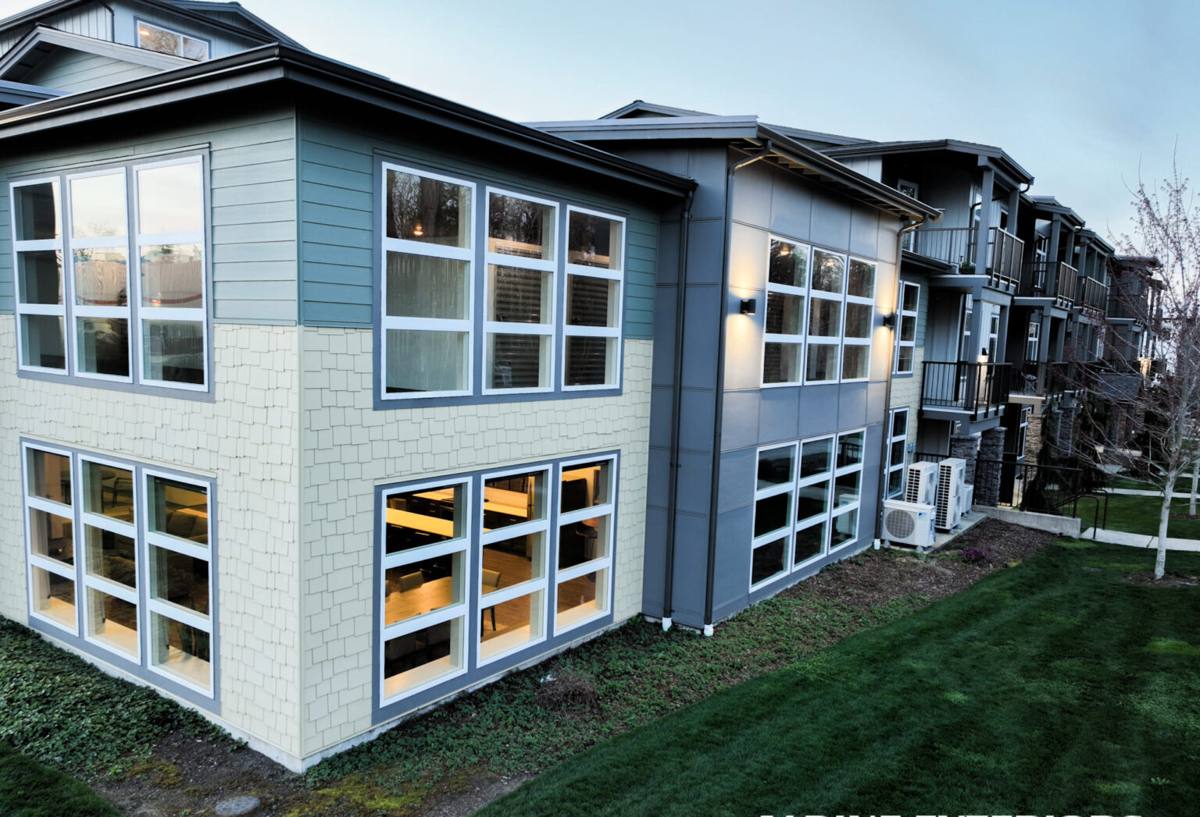
Signs Your Everson Home Needs New Windows
Most homeowners call us after noticing one or two of these, not because they set out to replace windows. Worth checking before winter sets in:
- Fogging or a visible haze between panes — the seal has failed and the gas fill is gone
- Soft or discolored wood at the sill or bottom corners of the frame
- Windows that are hard to open, close, or lock — frames have swollen or shifted
- Visible daylight or a draft you can feel at the frame edge when it's windy
- Moss or dark streaking on the exterior trim below the window
- Condensation building up on the inside of the glass regularly through fall and winter
- Noticeably higher heating bills compared to similar homes nearby
None of these mean the whole house needs windows tomorrow. Sometimes it's one or two openings — usually the ones facing the prevailing wind and rain — that are further along than the rest.
What a Correct Window Replacement Job Actually Involves
The window itself is maybe half the job. The other half is everything around it, and that's where most of the long-term performance actually comes from in a climate like ours.
Removal and Opening Inspection
We pull the old window and check the rough opening before anything new goes in — sill condition, framing moisture, and whether water has been getting behind the old unit. If there's rot or soft framing, that gets addressed first. Installing a new window over a compromised opening just hides the problem for a while.
Flashing and Water Management
This is the step that determines whether a window lasts 20 years or leaks in year three. Proper flashing tape and a correctly lapped weather-resistive barrier direct water down and out, away from the framing, instead of letting it pool at the sill. In an area that gets sustained, driving rain, sloppy flashing is the single most common cause of the "why is my wall wet inside" call.
Setting, Shimming, and Sealing
The window gets shimmed level and plumb, fastened per the manufacturer's schedule, insulated around the frame gap (not just spray-foamed solid, which can bow vinyl frames), and sealed with exterior sealant rated for our temperature and moisture swings.
Interior and Exterior Finish
Trim, casing, and interior sills get reinstalled or replaced to match, and exterior trim is sealed and painted or capped so it isn't the next thing to fail.
Window Materials: What We Install and Why
There's no single "best" window material — it depends on the home, the budget, and how much upkeep you want to take on. Here's how the common options compare for a wet, moss-prone climate like Everson's:
| Material | Moisture Performance | Maintenance | Typical Lifespan |
|---|---|---|---|
| Vinyl | Good — won't rot, handles moisture well | Low — occasional cleaning | 20–30 years |
| Fiberglass | Excellent — very stable in wet/dry cycling | Low | 30–40+ years |
| Wood, clad exterior | Good if cladding is intact; interior wood still needs protection from condensation | Moderate — watch for cladding seams | 20–30 years |
| Aluminum | Fair — prone to condensation without a thermal break | Low | 20–30 years |
For most Everson homes we recommend vinyl or fiberglass frames with dual-pane, Low-E glass as the baseline — they hold up to the freeze-thaw and rain cycles here without demanding much from the homeowner. We steer people away from bare wood exteriors and non-thermally-broken aluminum in this climate not because those products are bad in general, but because they carry a higher maintenance burden and more moisture risk than most homeowners want to sign up for long-term.
Glass Packages: Double-Pane vs. Triple-Pane vs. Low-E Coatings
Glass is where a lot of the actual comfort and efficiency comes from, and it's worth understanding the trade-offs rather than just picking the biggest number.
- Double-pane with Low-E coating — the standard, cost-effective choice for most Whatcom County homes; good insulation and solar control
- Triple-pane — better sound and thermal performance, especially on north- or west-facing walls that take the brunt of the weather, but heavier, pricier, and often unnecessary on sheltered elevations
- Argon or krypton gas fill — improves insulation between panes; argon is the practical standard, krypton mainly matters in narrow-gap specialty units
- Tempered glass — required by code near doors, low sills, and other specific locations; we account for this automatically during planning
We'll walk through which combination actually makes sense for each elevation of your home rather than upselling triple-pane across the board.
Our Process, Start to Finish
- Walkthrough and assessment — we look at every window being considered, check for underlying rot or flashing issues, and take accurate measurements
- Straightforward quote — clear pricing by opening, material, and glass package, with no vague allowances
- Scheduling — we plan around the weather where possible, since openings shouldn't sit exposed longer than necessary
- Installation — removal, opening repair if needed, flashing, setting, insulating, sealing, and finish work, done one opening at a time to keep the home weathertight throughout
- Final walkthrough — every window opens, closes, locks, and seals correctly before we call it done
What Affects the Cost of Window Replacement
Every home is different, but the cost of a project is driven by a handful of consistent factors:
| Factor | Why It Matters |
|---|---|
| Number and size of openings | More material, more labor, more flashing detail per window |
| Frame material | Vinyl is generally the most budget-friendly; fiberglass and clad-wood cost more upfront |
| Glass package | Triple-pane and specialty coatings add cost per unit |
| Retrofit vs. full-frame replacement | Full-frame costs more but is often the right call when there's rot or the opening needs correcting |
| Trim and siding repair | Water damage found during removal adds scope, but it's cheaper to fix now than to reopen the wall later |
| Access and second-story work | Upper-floor windows take more time and equipment |
We'd rather walk you through these factors honestly during the estimate than give you a number over the phone that doesn't hold up once we're actually at the house.
Why Hire a Crew That Already Works in Everson
A window that's correctly installed for a drier climate isn't automatically correct for ours. Flashing details, sealant choice, and even where you'd normally get away with a simple insert replacement versus needing a full-frame job all change when the building has to shed sustained, wind-driven rain and survive a moss season that keeps surfaces damp for weeks at a time. Crews who work regularly in Lynden, Everson, and the rest of Whatcom County have already seen how local homes age under these conditions — where the water actually gets in, which details hold up, and which shortcuts show up as callbacks two winters later. That's the kind of judgment that only comes from doing the work here repeatedly, not from a general install checklist.
After Installation: Keeping New Windows Performing
New windows still need a little attention, especially in a climate that stays wet for months at a stretch:
- Rinse frames and tracks periodically to clear pollen, dirt, and moss spores before they build up
- Check exterior caulking and sealant once a year, especially after a hard winter
- Keep gutters and downspouts clear so water isn't sheeting down across window heads
- Wipe down interior sills if condensation collects during cold snaps — it's normal in small amounts, but persistent moisture is worth a second look
- Trim back vegetation that keeps foliage or moss growth pressed against the exterior trim
None of this is heavy maintenance — it's the kind of basic upkeep that lets a correctly installed window actually hit its full lifespan instead of falling short of it.
Get a Free Estimate for Your Everson Home
If your windows are fogging, drafty, hard to operate, or just showing their age, we're happy to take a look and give you a straightforward, no-pressure estimate — no obligation, no hard sell. Use the form below to get started.