 Lynden Siding
 Siding Replacement in Nooksack: A Different Set of Problems Than the Ads Suggest
Nooksack sits in the Nooksack River valley, tucked against the foothills that catch Whatcom County's weather before it works its way further inland. Homes here deal with a specific combination of stresses: heavy annual rainfall, long stretches of low winter sun that leave north and shaded walls damp for weeks at a time, and the moisture-laden marine air that moves in off the Salish Sea and settles into the valley overnight and doesn't fully burn off until midday, if it burns off at all. None of that is dramatic by itself. Over fifteen or twenty years, it adds up to siding that looks tired and starts failing long before the rest of the house does.
When we talk about siding replacement in Nooksack, we're not talking about a cosmetic upgrade. We're talking about swapping out a water-management system that's no longer doing its job for one that's built to handle exactly this kind of climate.
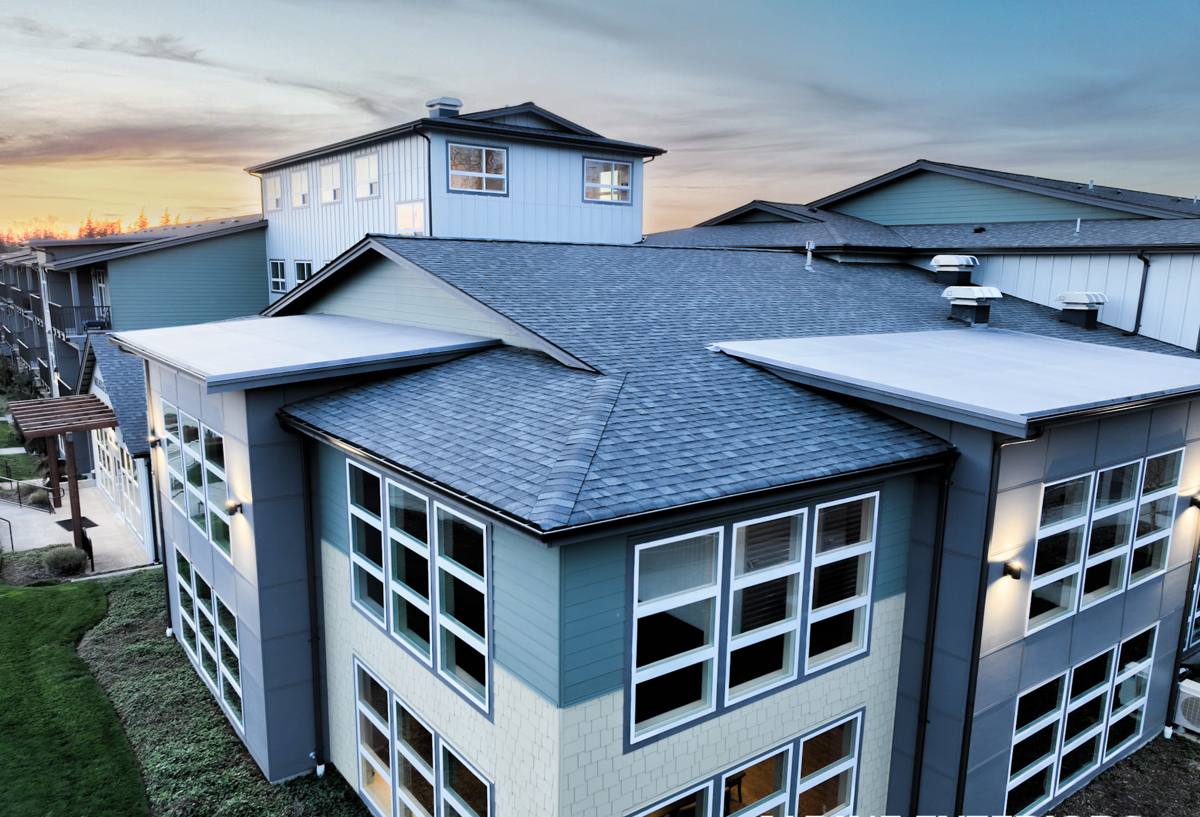
What This Climate Actually Does to Siding
Driving rain
Whatcom County doesn't just get a lot of rain — a good share of it arrives sideways, pushed by wind off the valley. That matters because driving rain gets behind lap siding at seams, nail penetrations, and butt joints that were never properly sealed or flashed in the first place. Once water gets behind the siding, it's the house wrap and flashing detailing that determine whether it drains back out or soaks into the sheathing.
A long moss and algae season
Shaded walls, mature tree cover, and consistent moisture are exactly what moss and algae need to take hold. On some siding materials that's mostly cosmetic. On others, especially wood-based products, trapped organic growth holds moisture against the surface and accelerates rot underneath the finish. In Nooksack, moss season isn't a few weeks in spring — it's most of the year on north-facing and tree-shaded elevations.
Moisture that lingers
Because winter sun angles here are low and days are short, siding that gets wet in November may not fully dry until well into the following spring. Materials that absorb water and swell, or that rely on paint film to stay sealed, are working against the clock in a way they wouldn't be in a drier climate.
Signs a Nooksack Home Needs Replacement, Not Just Repair
Repair makes sense when the problem is isolated. Replacement makes sense when the siding system itself — the material, the underlying moisture barrier, or both — has stopped doing its job across most of the house. Look for:
- Soft, spongy, or crumbling siding when you press on it, especially near the bottom courses and around windows
- Paint that won't hold anymore, even after repainting within the last few years
- Persistent moss or algae staining that comes back within a season of cleaning
- Visible warping, cupping, or buckling on lap siding
- Cracked or delaminating panels, particularly at butt joints and corners
- Interior signs — musty smells, peeling interior paint, or soft drywall near exterior walls
- Rising heating bills that point to a compromised thermal envelope behind the siding
If more than one or two of these show up in different spots around the house, it's usually a sign the whole system is aging out together, not just one bad section.
What a Correct Siding Replacement Job Involves
Siding replacement done right is mostly about what happens before the new material ever goes up. The visible product is only as good as the assembly behind it.
- Full tear-off so the sheathing can actually be inspected, not just covered over
- Sheathing repair anywhere rot or soft spots are found — this is the step that gets skipped when a job is priced too low
- A continuous weather-resistive barrier, properly lapped shingle-style so water drains down and out, not into the wall
- Correct flashing at every window, door, and penetration — this is where most siding failures actually start
- Manufacturer-spec fastening — nail type, spacing, and placement matter more than most homeowners realize
- Proper clearances at grade, decks, and roof lines so siding isn't sitting in standing water or snow
Skip any one of these and the new siding will fail on the same timeline as the old, no matter how good the surface material is.
Why We Install Only James Hardie Fiber Cement
We get asked why we don't offer vinyl, LP SmartSide, cedar, or primed spruce as options. It's a fair question, and the honest answer is that we standardized on one product because it's the one we've seen hold up in this climate without asking the homeowner to stay on top of constant maintenance.
Vinyl is inexpensive and low-maintenance in the sense that it doesn't need paint, but it's a thin material that expands and contracts with temperature swings, can crack in cold snaps, and traps moisture against the wall if it's not installed with real attention to ventilation gaps — a detail that gets rushed on a lot of jobs. Cedar and primed spruce look good on day one, but both are organic materials in a climate that stays damp for most of the year, which means ongoing repainting, caulking, and a real risk of rot if maintenance slips even for a season or two. LP SmartSide is an engineered wood product with real strengths, but it's still wood-based, which means it's more sensitive to sustained moisture exposure than fiber cement and depends heavily on caulking and coating being kept up over the life of the siding.
James Hardie fiber cement is non-combustible, doesn't swell or rot the way wood-based products can, and comes with a factory-applied ColorPlus finish that's baked on rather than field-painted, which matters in a climate where paint adhesion is a constant fight. Hardie also engineers its product lines by climate zone — the HZ5 line is built for exactly the wet, temperate conditions Whatcom County sees. That's not a marketing detail; it changes how the product performs against moisture over decades, not just years.
Comparing Siding Materials for a Wet, Mossy Climate
| Factor | James Hardie Fiber Cement | Vinyl | LP SmartSide | Cedar / Primed Spruce |
|---|---|---|---|---|
| Moisture resistance | High — cement-based, won't rot | Moderate — sheds water but traps if unventilated | Moderate — engineered wood, moisture-sensitive at cut edges | Low to moderate — natural wood, absorbs moisture |
| Moss / algae resistance | High, especially with ColorPlus finish | Moderate — surface growth, doesn't feed rot | Moderate — growth can hold moisture against wood fibers | Low — organic surface feeds growth readily |
| Maintenance | Occasional wash, no repainting for years | Low — occasional wash | Moderate — coating and caulk upkeep | High — regular repainting/staining and caulking |
| Fire resistance | Non-combustible | Melts/deforms in heat | Combustible (engineered wood) | Combustible |
| Typical lifespan when installed to spec | Multiple decades | Decades, but brittle over time | Two decades or so with upkeep | Variable — heavily dependent on maintenance |
Our Nooksack Siding Replacement Process
- On-site estimate — we walk the exterior, check for rot and moisture damage, and give you a straight, no-pressure assessment of what's actually needed
- Tear-off and sheathing inspection — old siding and any compromised barrier come off, sheathing gets repaired where needed
- Weather barrier and flashing — installed continuously and lapped correctly around every opening
- James Hardie installation to manufacturer spec — correct fasteners, spacing, and clearances, no shortcuts
- Trim, caulking, and finish work — details that determine how the job looks and performs years down the road
- Cleanup and final walkthrough — we go over the finished job with you before calling it done
What Drives Cost on a Nooksack Siding Job
We don't quote prices without seeing the house, but the factors that move a bid up or down are consistent from job to job:
| Cost Factor | Why It Matters |
|---|---|
| Home size and wall complexity | More surface area, gables, and corners mean more material and labor |
| Existing rot or sheathing damage | Hidden repair work found during tear-off adds time and material |
| Siding profile and trim detail | Board-and-batten, varied reveal widths, and custom trim take longer than a straightforward lap job |
| Accessory work | Fascia, soffit, and trim replacement done alongside siding is more efficient than a separate project later |
| Access and site conditions | Multi-story sections, tight lot lines, or landscaping obstacles affect labor time |
Why a Crew That Already Works in Nooksack Matters
A contractor who works Whatcom County regularly already knows how this valley's weather behaves through the year — when it's realistic to schedule tear-off without leaving a house exposed, how much drying time to plan for between steps, and which details on a Hardie install matter most in a climate this wet. That's not something you can fully substitute with a generic install guide. It also means faster response if something needs a follow-up look after the job is done, rather than waiting on a crew that has to travel in from somewhere else.
If your Nooksack home is showing signs of aging siding, we're happy to take a look and give you a straightforward, no-pressure estimate — no obligation, just an honest read on what your house actually needs.