 Lynden Siding
 Metal Roofing for Deming Homes: A Roof Built for the Weather You Actually Get
Homes in and around Deming deal with a specific kind of wear that a lot of roofing material simply isn't built for. Salt-laden air moves through Whatcom County off the Sound, driving rain comes in sideways for days at a stretch during the fall and winter, and shaded, tree-covered lots keep moss and moisture sitting on a roof surface far longer than they would in a drier climate. None of that is unusual for this part of Washington — it's just the baseline. A roof here needs to be chosen and installed with that baseline in mind, not treated as an afterthought.
Metal roofing has become one of the most requested upgrades we install for homeowners in the Deming area, and for good reason. It's not a fad product — it's a practical response to the specific ways this climate attacks a roof over ten, twenty, and thirty-year timelines.
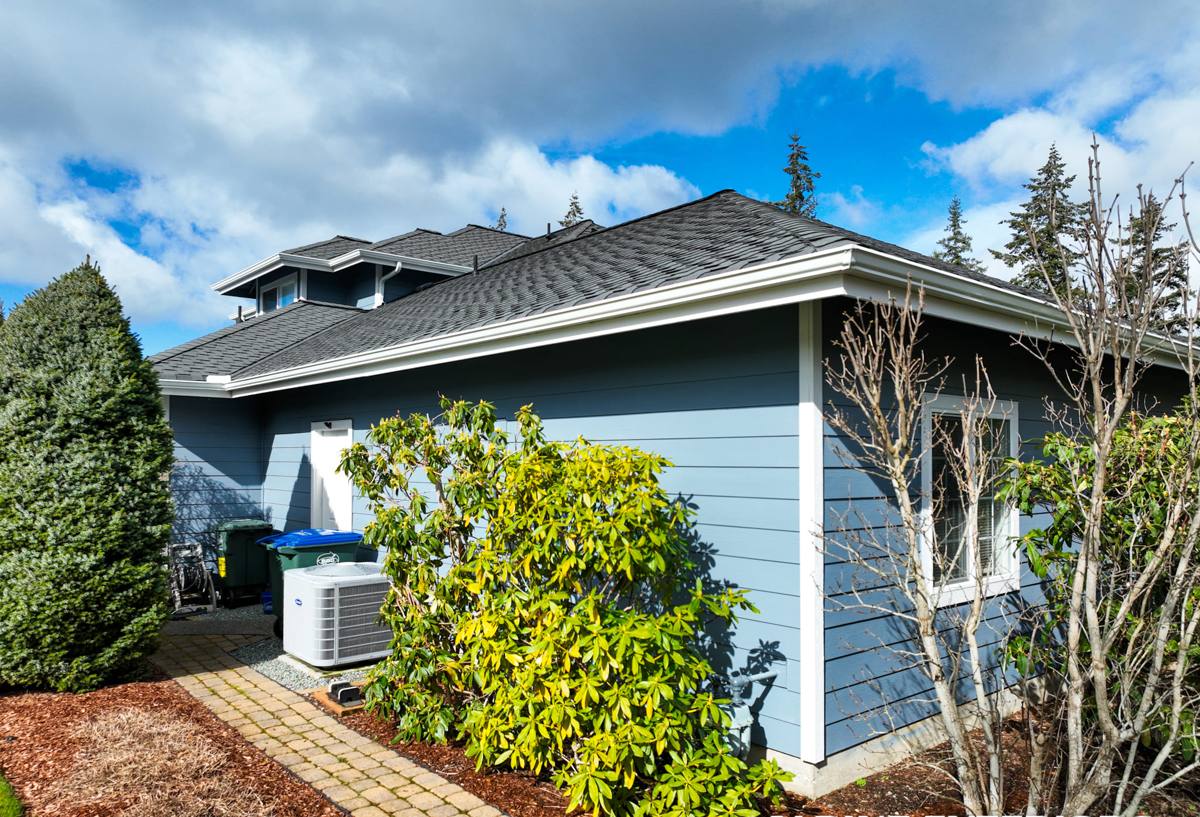
What Salt Air, Driving Rain, and Moss Actually Do to a Roof
It helps to understand the mechanism, not just the symptom, because it changes what "correct installation" actually means.
Salt Air and Corrosion
Airborne salt accelerates corrosion on any exposed metal component — fasteners, flashing, valleys, gutters. On an asphalt roof, that shows up first at the metal accessories, not the shingles themselves: rusting nail heads, corroding drip edge, and flashing that fails years before the shingle field does. Any metal roofing system installed in this region needs corrosion-resistant fasteners and properly coated panels from the start, or the same problem just moves to a bigger surface area.
Driving Rain and Wind-Driven Water
Rain that comes in at an angle behaves differently than rain that falls straight down. It gets pushed under shingle tabs, into open laps, and behind flashing that's only adequate for vertical rainfall. This is where a lot of "good enough" roofing work fails quietly for years before a homeowner ever sees a stain on the ceiling — the water is getting in at the edges and vents long before it shows up inside.
Moss and Sustained Moisture
Shaded, tree-lined properties around Deming hold moisture longer after a storm than open, sunny lots do. Moss doesn't just look bad — its root structure lifts shingle edges and holds water directly against the roof deck. Once moss gets established, it accelerates every other problem on the list: it holds the moisture that speeds up corrosion, and it creates the exact conditions wind-driven rain needs to find a way in.
Why Metal Roofing Is a Strong Fit for This Climate
Metal roofing addresses these three stressors more directly than most alternatives, which is why it's worth serious consideration for Deming-area homes specifically — not just as a general upgrade.
- Fewer laps and seams — Long panel runs mean fewer horizontal joints for wind-driven rain to exploit compared to shingle courses.
- Steep, slick surface — Water and debris shed faster off metal than off a textured shingle surface, which gives moss less time to establish.
- Corrosion-resistant coatings — Quality metal roofing systems use factory-applied coatings engineered specifically for coastal and marine-influenced air, not bare metal that relies on paint alone.
- Long service life — A correctly installed metal roof is typically rated for several decades, which matters on a property where re-roofing access (trees, slope, terrain) isn't always simple.
- Low maintenance surface — There's no granule loss, no algae staining pattern to manage, and less surface texture for organic growth to grip onto.
That said, metal roofing is not automatically immune to any of this. A poorly installed metal roof with the wrong fasteners or inadequate flashing detail can still trap moisture and corrode — the material only performs as well as the installation behind it.
Metal Roofing Options We Install
Not every metal roofing system is the same product wearing a different name. The panel style, fastening method, and coating all affect how the roof performs specifically against salt air and driving rain.
| System | How It's Fastened | Best Fit | Trade-Offs |
|---|---|---|---|
| Standing seam | Concealed clips, no exposed fasteners through the panel field | Homes prioritizing longevity and minimal maintenance | Higher upfront cost; installation is sensitive to detail work |
| Exposed fastener panel | Screws driven through the panel face with gasketed washers | Budget-conscious projects, outbuildings, secondary roofs | Fasteners are a maintenance item and a common failure point if not rated for this climate |
| Stone-coated steel | Interlocking panels, concealed and exposed fastener variants | Homeowners who want a traditional shingle or tile look with metal performance | More installation steps; profile detailing at valleys and edges matters more |
For most Deming homes, we lean toward standing seam or a well-detailed stone-coated system specifically because they minimize the number of exposed fasteners that salt air and moisture can attack over time. Exposed fastener panels have their place, but we're upfront with homeowners about the added maintenance commitment before it goes on the roof, not after.
What a Correct Metal Roof Installation Actually Involves
The panels themselves get most of the attention, but the parts you don't see are what determine whether the roof performs in this climate or just looks good for a few years.
Underlayment
A synthetic, self-adhering underlayment at eaves, valleys, and penetrations — not just felt paper — gives the roof deck a real second line of defense if wind-driven rain ever gets past the panel laps.
Flashing and Edge Detail
Valleys, chimneys, skylights, and wall transitions are where the vast majority of roof leaks originate, metal or otherwise. Flashing has to be fabricated and installed to shed water in both a straight downpour and a sideways, wind-driven one.
Fastener Selection
Fasteners and clips need to be rated for the specific panel metal and coating, and matched for corrosion resistance appropriate to this region's air quality. Mismatched metals at the fastener level cause galvanic corrosion that shows up as pitting and staining years down the road.
Ventilation
Metal roofs still need a properly vented deck underneath. Trapped moisture in the attic space causes condensation on the underside of the panels regardless of how good the exterior coating is — ventilation isn't optional just because the roofing material changed.
Panel Layout and Fastening Pattern
Panel runs, overlap direction, and fastening spacing all need to account for prevailing wind and rain direction on that specific roof plane, not a generic layout applied the same way on every job.
Our Process, Start to Finish
- On-site inspection — We walk the roof and attic space, not just the exterior, to see what's actually happening with ventilation, decking condition, and existing moisture or moss patterns before recommending anything.
- Written estimate — A clear scope covering panel system, underlayment, flashing detail, and fastener spec, so you know exactly what's being installed and why.
- Deck prep — Any soft, water-damaged decking gets addressed before a single panel goes down. Installing new roofing over a compromised deck just hides the problem.
- Underlayment and flashing — Installed to the standard described above, with particular attention to valleys and any wall or chimney transitions.
- Panel installation — Fastened and sealed to the manufacturer's specification for this region's wind and moisture exposure.
- Final walkthrough — We review the completed roof with you, including what routine maintenance to expect and what to watch for seasonally.
What Homeowners Should Expect for Ongoing Maintenance
Metal roofing is low-maintenance, not no-maintenance. A little seasonal attention goes a long way toward getting the full service life out of the system.
- Clear gutters and downspouts before the fall rains so water isn't backing up at the eaves
- Check for debris buildup in valleys, where moss and organic material tend to collect first
- Look at exposed fasteners (if your system has them) every year or two for early signs of corrosion or loosening
- Trim back overhanging branches to reduce shade, debris, and moss pressure on the roof surface
- Have flashing at penetrations and transitions visually checked after any major windstorm
Cost Factors for a Deming Metal Roof Project
Every roof is priced from a real inspection, not a phone estimate, but these are the factors that typically move the number:
| Factor | Why It Matters |
|---|---|
| Panel system chosen | Standing seam runs higher than exposed fastener panel due to labor and material |
| Roof complexity | Valleys, dormers, and multiple roof planes add flashing work and labor time |
| Existing deck condition | Rot or moisture damage found during tear-off adds repair scope |
| Access and terrain | Steep slopes, tree cover, or limited equipment access affect labor time |
| Ventilation upgrades | Adding or correcting attic ventilation as part of the project |
Broadly, exposed fastener metal systems tend to land closer to premium asphalt pricing, while standing seam sits meaningfully higher — but the right comparison isn't sticker price alone, it's price against decades of service life and lower maintenance in a climate that's hard on roofs.
Why a Crew That Already Works in Deming Matters
Roofing crews that work all over Western Washington in general terms aren't necessarily tuned into what a specific pocket like Deming actually experiences — the tree cover, the moisture patterns, the way moss establishes on shaded roof planes here specifically. Working this area regularly means we're not guessing at underlayment specs or fastener ratings; we're applying what we've already seen hold up, and what we've seen fail, on roofs in this exact climate.
Being based in Lynden also means we're not a crew that flies in for one job and disappears. If a flashing detail needs a look after a hard windstorm, or a warranty question comes up five years down the road, we're a short drive away, not a phone number connected to an office in another state.
Ready to Talk About Your Roof?
If your Deming home is due for a roof replacement, or you're weighing metal against another material, we're happy to walk the roof with you and give you a straight answer — including when metal isn't the right call for a particular situation. Reach out for a free, no-pressure estimate using the form below.