 Lynden Siding
 Window Replacement Built for Aldergrove's Weather, Not Just Its Look
Aldergrove sits close enough to the coast that homes here deal with a combination most manufacturers don't design for out of the box: salt-laden air moving in off the water, long stretches of driving rain pushed sideways by wind, and a moss season that can run most of the year in shaded spots. Windows in this area aren't just letting in light and keeping out cold — they're the first line of defense against moisture that wants to work its way into wall cavities, sills, and framing. When a window fails here, it's rarely dramatic. It's a slow drip behind the trim, a soft spot under the sill, or a frame that's started to swell and stick. By the time it's obvious, the damage usually isn't limited to the window itself.
We approach window replacement in Aldergrove, BC the same way we approach it on the Washington side of the border: as a moisture-management job first, and an aesthetic upgrade second. Get the flashing, the sealing, and the drainage path right, and the window will do its job for decades. Skip those steps to save an afternoon, and even a premium window will let water in behind the wall where nobody sees it until the drywall or siding tells on it.
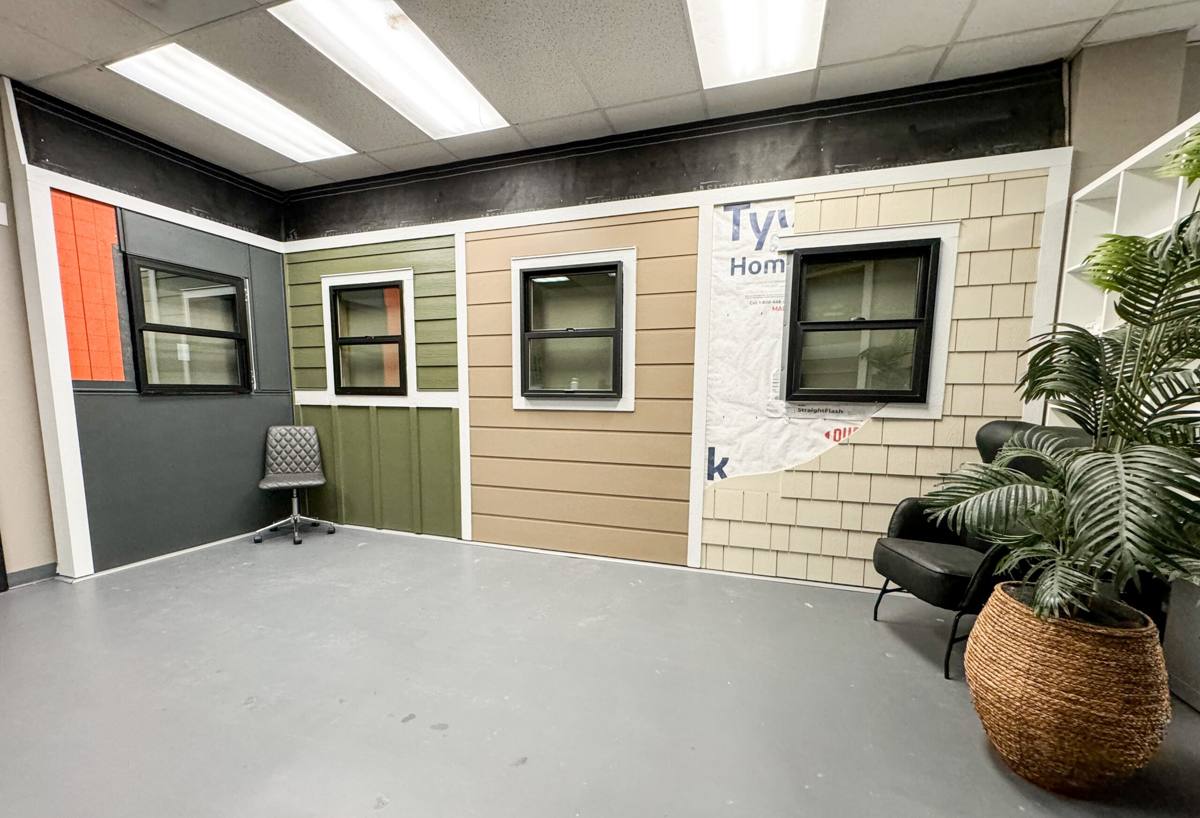
Signs Your Windows Are Losing the Fight
Most homeowners don't replace windows because they woke up wanting new ones — they replace them because something started going wrong. Here's what we typically hear about, and what it usually means:
- Condensation between the panes — the seal has failed and the insulating gas is gone; this doesn't get better on its own
- Wood trim or sills that feel soft, spongy, or discolored — sign of ongoing moisture intrusion, not just surface weathering
- Windows that are hard to open, close, or lock — frames can swell with repeated wetting, or the unit has shifted out of square
- Visible moss or dark streaking building up on the sill or below the window — a clue that water is sitting where it shouldn't
- Noticeable draft or a cold spot near the window in winter — usually failed weatherstripping or a compromised seal
- Rising heating bills without a clear explanation — older single-pane or early dual-pane units lose their efficiency well before they visibly fail
Any one of these on its own might just mean a repair. Several at once, especially on a home more than 15-20 years old, usually means the windows have reached the end of their useful life and repair is just delaying a bigger repair bill later.
Why This Matters More on Homes Near the Coast
Salt air accelerates corrosion on hardware, fasteners, and some metal frame components faster than it would further inland. It also tends to hold moisture longer against a building's exterior, which is part of why moss establishes itself so readily on north-facing and shaded walls in this region. A window system that's marginal in a drier climate can fail years earlier here simply because of what's in the air and how often the building surface stays damp.
What a Correct Window Replacement Job Actually Involves
A window replacement is a small opening in your building envelope, and every step of the install either protects that opening or creates a weak point in it. We don't shortcut any of the following:
Removal and Inspection
Old units come out carefully so we can inspect the rough opening — the framing, sheathing, and any existing flashing — before anything new goes in. This is the point where hidden rot or past water damage shows up. If we find it, we address it before installing the new window, not after.
Flashing and Drainage
Proper flashing directs any water that gets behind the exterior cladding back out, rather than letting it pool at the sill or migrate into the wall assembly. This is the step that matters most in a wet climate and the one that gets skipped most often by crews trying to move fast. We install sill pan flashing and integrate it with the surrounding weather-resistive barrier so water has a clear path out, never in.
Air Sealing and Insulation
The gap between the new window frame and the rough opening gets sealed and insulated correctly — not stuffed with excess spray foam, which can bow the frame, and not left with gaps, which create drafts and condensation points. This is a balance that comes from experience with the specific products we install.
Exterior Trim and Weatherproofing
Trim, caulking, and any siding tie-in get finished so the exterior reads clean and, more importantly, sheds water the way it's supposed to. A window that looks finished but wasn't sealed correctly at the trim line will still leak — it just takes longer to show.
Choosing the Right Window for This Climate
There's no single "best" window — the right choice depends on your home's exposure, your budget, and how much maintenance you're willing to keep up with. Here's how the common frame materials compare for a coastal, high-rain environment like Aldergrove's:
| Frame Material | Moisture Performance | Maintenance | Typical Trade-Off |
|---|---|---|---|
| Vinyl | Very good — won't rot, resists salt corrosion | Low — occasional cleaning | Frame color and size options are more limited than fiberglass |
| Fiberglass | Excellent — dimensionally stable in wet-dry cycling | Low | Higher upfront cost |
| Aluminum | Fair — can corrode near salt air unless properly coated | Moderate | Conducts cold, prone to condensation without a thermal break |
| Wood (clad exterior) | Good on the exterior face, vulnerable if the cladding is breached | High — needs monitoring at joints and sills | Best appearance for some homes, but the highest long-term upkeep in this climate |
We're upfront about this trade-off: an all-wood exterior window can be beautiful, but in a climate with this much sustained moisture and moss pressure, it demands more inspection and maintenance than most homeowners realize going in. If low-maintenance, long-term moisture resistance is the priority, vinyl or fiberglass wins that comparison for most Aldergrove homes.
Our Process, Start to Finish
- On-site assessment — we look at each window individually, not just the whole house at once, since exposure varies wall to wall
- Honest recommendation — full replacement where warranted, and we'll say so plainly if a window can be repaired instead
- Product selection — we walk through frame material, glazing options, and what fits your budget and the specific wall's exposure
- Written estimate — clear scope, no vague line items
- Installation — proper removal, opening inspection, flashing, sealing, and finish work as outlined above
- Final walkthrough — we test operation, check the seal, and confirm the exterior finish before calling the job done
Why a Crew That Already Works Aldergrove, BC Matters
A window installer who only works in dry, inland climates can do a technically fine install and still get moisture management wrong for this area — not because they're careless, but because the failure modes here are different. Sill pan flashing that would be optional in a low-rain region isn't optional here. A caulking product that holds up fine in a mild climate might not hold a seal through a full wet season of driving rain against an exposed west wall.
We work on both sides of the border in this corner of Whatcom County and the neighboring BC communities, which means we're not guessing at what Aldergrove's weather does to a building envelope over a winter — we've seen it, and we build the install around it. That includes knowing which wall orientations on a typical home take the worst of the wind-driven rain, and detailing those openings accordingly.
What to Ask Any Contractor Before You Hire
- Do they install sill pan flashing on every replacement, or only when asked?
- Can they explain, in plain terms, how water is meant to drain if it gets behind the trim?
- Do they inspect the rough opening for hidden rot before installing, and what happens if they find it?
- Are they licensed and insured to work in your jurisdiction, and can they provide proof?
- Does the estimate include full trim and weatherproofing detail, or just the window unit itself?
Cost Factors Homeowners Should Understand
Window replacement pricing varies a lot based on specifics, and anyone quoting a firm number without seeing your home is guessing. What actually drives the cost:
| Factor | Why It Matters |
|---|---|
| Frame material | Vinyl is typically the most budget-friendly; fiberglass and wood-clad cost more upfront |
| Window size and style | Larger units, custom shapes, and operable styles like casements cost more than standard double-hung |
| Condition of the rough opening | Hidden rot or framing damage found during removal adds labor and material before the new window even goes in |
| Number of windows | Replacing an entire home's windows at once is usually more cost-effective per unit than doing them one or two at a time over several years |
| Glazing package | Double vs. triple pane, and low-E coatings, affect both cost and long-term energy performance |
| Exterior finish work | Trim replacement, siding tie-in, and repainting needs vary by home and add to the scope |
We'd rather walk your home, look at each window's actual condition and exposure, and give you a real number than throw out a broad range that doesn't mean much either way.
Living With New Windows Through the Wet Season
A correctly installed window is largely maintenance-free, but a little seasonal attention goes a long way in this climate. Keep weep holes and drainage tracks clear of debris and moss buildup so water can exit as designed. Check exterior caulking lines once a year, typically before the fall rains set in, since caulking is the one component that does wear out over time even on a well-installed window. Wipe down sills after heavy storms if you notice standing water, and keep an eye on any shaded, north-facing windows where moss and algae tend to establish first — those are the walls that stay damp longest between dry spells.
None of this is heavy maintenance. It's the kind of five-minutes-a-season attention that keeps a good install performing the way it's supposed to for its full lifespan, rather than letting small issues turn into the same water-intrusion problems that likely brought you to replace your windows in the first place.
Ready for an Honest Look at Your Windows?
If your windows in Aldergrove are showing any of the signs above, or you're just planning ahead before another wet season sets in, we're happy to take a look and give you a straight answer — whether that's a full replacement, a targeted repair, or nothing at all yet. Reach out for a free, no-pressure estimate using the form below.