 Lynden Siding
 Custom Windows for Acme Homes
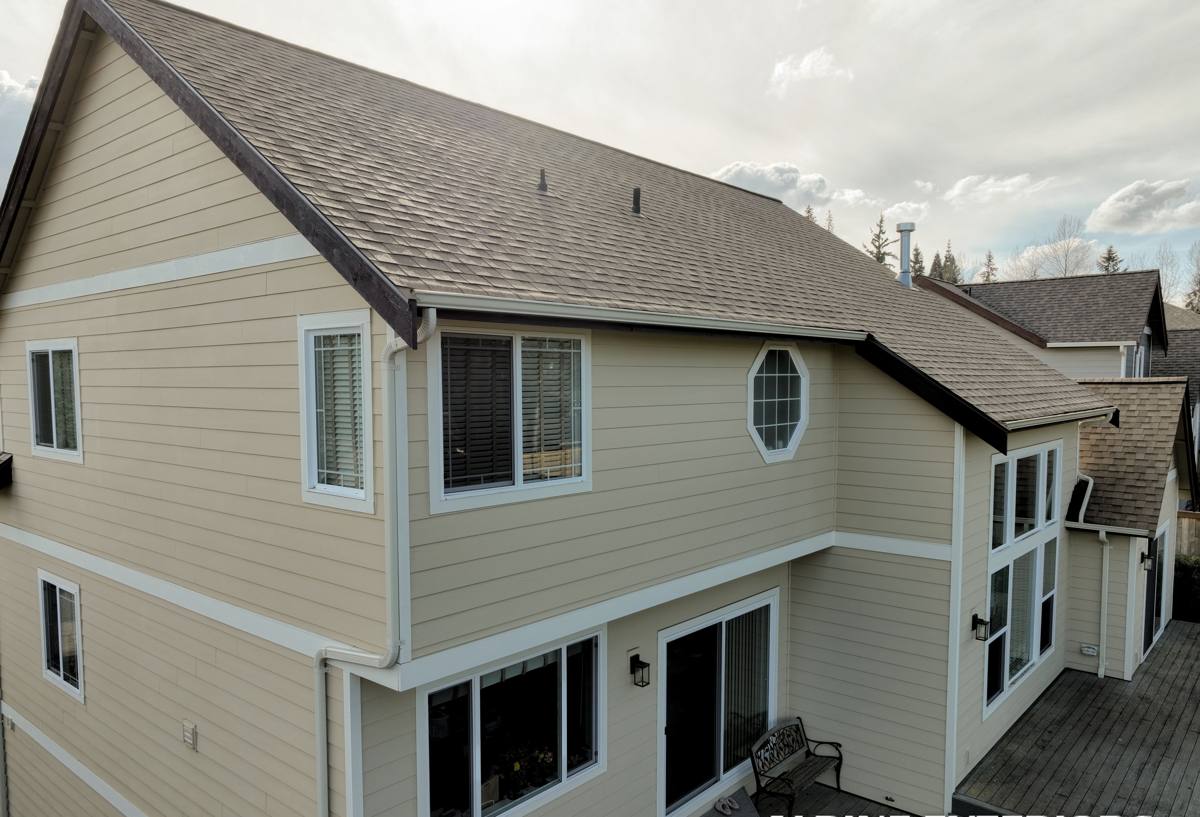
Acme sits in the foothill country south of Lynden, where the valley starts giving way to timber and the Nooksack drainage. It's a different setting than the flatter dairy land closer to town, but the windows on Acme-area homes face the same core problem every house in Whatcom County deals with: long stretches of wet weather, shaded lots that stay damp for days after a storm, and the kind of temperature swings that come with sitting closer to the foothills. Custom windows here aren't just about matching a specific rough opening or an odd-shaped gable — they're about picking a window and an installation method that will actually hold up under those conditions for the next twenty-plus years.
We work on homes throughout Acme and the surrounding rural properties, and what we see most often isn't a bad window brand — it's a window that was installed without enough attention to flashing, sealant, and drainage. A custom window replaces an awkward opening or upgrades your view, but if the install underneath it is wrong, you'll be dealing with rot and drafts again within a few years regardless of how good the glass is.
Why Regional Weather Matters More Than People Think
Whatcom County gets moisture from more than one direction. Marine air off the Sound moves inland and mixes with foothill weather systems, which is part of why the region sees so many months of driving rain and why houses tucked under trees or on north-facing walls stay shaded and damp well after a storm passes. Even properties well inland from the coast, like most of Acme, still sit downstream of that same weather pattern — the rain doesn't stop just because you're a few miles from saltwater.
That combination of prolonged wet weather and shade is exactly what feeds moss and mildew growth on siding, trim, and window sills. A window that isn't properly flashed and sealed becomes a spot where that moisture finds a way behind the wall, and once water gets into a wall cavity around a window opening, it's very hard to catch early — you usually see the damage in the trim or siding long after the rot has already started.
What This Means for Window Selection
It means the frame material, the flashing detail, and the sealant used around a custom window in Acme matter as much as the glass package. A window rated for a mild, dry climate isn't necessarily rated for a climate where the siding stays damp for days at a time during the wet season.
What a Correct Custom Window Installation Involves
"Custom" usually means one of a few things: a non-standard size, a shape that isn't off-the-shelf (arched, angled, or oversized), or a full-frame replacement where the old opening needs to be corrected rather than just re-fit. In every case, the installation steps matter more than the window itself.
- Removing the old window and inspecting the framing, sill, and sheathing underneath for rot or prior water damage before anything new goes in
- Correcting any framing issues found — a new window installed over a soft or rotted sill just hides the problem for a few more years
- Installing house wrap and flashing tape in the correct shingle-lap order so water is always directed outward and down, never trapped behind the window
- Setting the window level, plumb, and square, then shimming correctly so the frame isn't under stress that can crack seals over time
- Sealing and insulating the gap between the window frame and the rough opening with the right materials — not just spray foam alone
- Finishing exterior trim and caulking joints so water sheds away from the opening instead of pooling against it
Skipping or rushing any one of these steps is how a perfectly good window ends up with a moisture problem within a few wet seasons.
Choosing Frame Materials for Acme's Climate
There isn't one universally "best" window material — it depends on your home's exposure, your budget, and how much upkeep you want to take on. Here's how the common options generally compare for a damp, shaded, moss-prone climate like ours:
| Frame Material | Moisture Resistance | Maintenance | Typical Fit |
|---|---|---|---|
| Vinyl | Good — won't rot, some expansion/contraction with temperature swings | Low | Budget-conscious replacements, most home styles |
| Fiberglass | Very good — dimensionally stable, holds paint and seals well over time | Low to moderate | Higher-end replacements, larger custom openings |
| Wood (clad exterior) | Depends heavily on the cladding and installation — interior wood is vulnerable if any water gets past the exterior shell | Higher — finish and seals need periodic attention | Historic or traditional-style homes wanting a wood interior look |
| Aluminum | Fair — prone to condensation and thermal transfer without a thermal break | Low | Less common for residential in this climate |
For most Acme homes, we steer people toward vinyl or fiberglass for the exterior-facing performance, reserving wood-clad options for homeowners who specifically want that look and understand the added upkeep. We'll walk through the honest trade-offs for your specific home rather than pushing one product line.
Glass Packages Worth Considering
Beyond the frame, double-pane with low-E coating and argon fill is the practical standard for our climate — it cuts down on heat loss during cold, damp stretches and helps reduce condensation on the interior glass, which is a common complaint in homes with older single-pane or poorly sealed windows.
Signs Your Acme Home's Windows Need Attention
Because moisture problems around windows tend to develop slowly, homeowners often don't notice until the damage has spread into trim or siding. Some things worth checking:
- Soft or discolored wood trim around the exterior of a window frame
- Visible moss or dark staining building up on the sill or trim, especially on shaded walls
- Fogging or moisture between panes on double-pane windows — a sign the seal has failed
- Noticeable drafts or cold spots near the window even when it's closed
- Difficulty opening, closing, or latching a window that used to operate smoothly
- Peeling paint or bubbling on interior sills, which often points to a slow leak
Any one of these is worth a look before it becomes a full replacement rather than a repair.
Our Process for Custom Window Projects in Acme
We keep the process straightforward because window projects tend to go wrong when steps get rushed or skipped:
- On-site assessment — we look at the existing opening, check for hidden rot or past water intrusion, and measure for the actual custom size or shape needed.
- Honest recommendation — we talk through frame material, glass package, and installation approach based on that specific wall's sun and rain exposure, not a one-size-fits-all pitch.
- Written estimate — a clear scope of work so you know exactly what's included, from flashing to trim finish.
- Installation — removal, framing correction if needed, proper flashing and sealing, and careful setting of the new window.
- Finish and cleanup — exterior trim, caulking, and a final check that the window operates correctly and seals properly.
Cost Factors for Custom Windows
Every project is different, but the main variables that move the price on a custom window job are fairly consistent:
| Factor | Why It Matters |
|---|---|
| Window size and shape | Non-standard sizes and specialty shapes (arched, angled) cost more to source and install than stock sizes |
| Frame material | Vinyl is typically the most affordable, fiberglass and wood-clad options cost more upfront |
| Condition of the existing opening | Hidden rot or framing damage adds repair work before the new window can go in |
| Number of windows | Doing several openings in one visit is more efficient than one-off single replacements |
| Access and site conditions | Second-story openings, tight rural driveways, or difficult access can add labor time |
We'll give you a real number after we've actually seen the opening — not a rough guess over the phone, since the condition behind the trim is often the biggest variable.
Why It Matters to Hire a Crew That Already Works in Acme
A lot of window problems we get called out to fix started with an installer who didn't account for the local climate — not because the window itself was bad, but because the flashing and sealing weren't done for a place that stays wet and shaded for months at a time. A crew that regularly works Whatcom County knows to check for the rot patterns that show up on north-facing walls, knows how moss buildup around trim signals a bigger moisture issue, and doesn't treat this like a dry-climate install.
We also know the practical side of working in and around Acme — rural properties, longer driveways, and homes spread further apart than in town, which affects scheduling and access. That's the kind of local familiarity that keeps a project running smoothly instead of hitting surprises halfway through.
If you're weighing a custom window project on your Acme home, we're happy to take a look and give you a straight, no-pressure estimate — just fill out the form below to get started.