 Lynden Siding
 Window Installation for the Lynden–Abbotsford Border Area
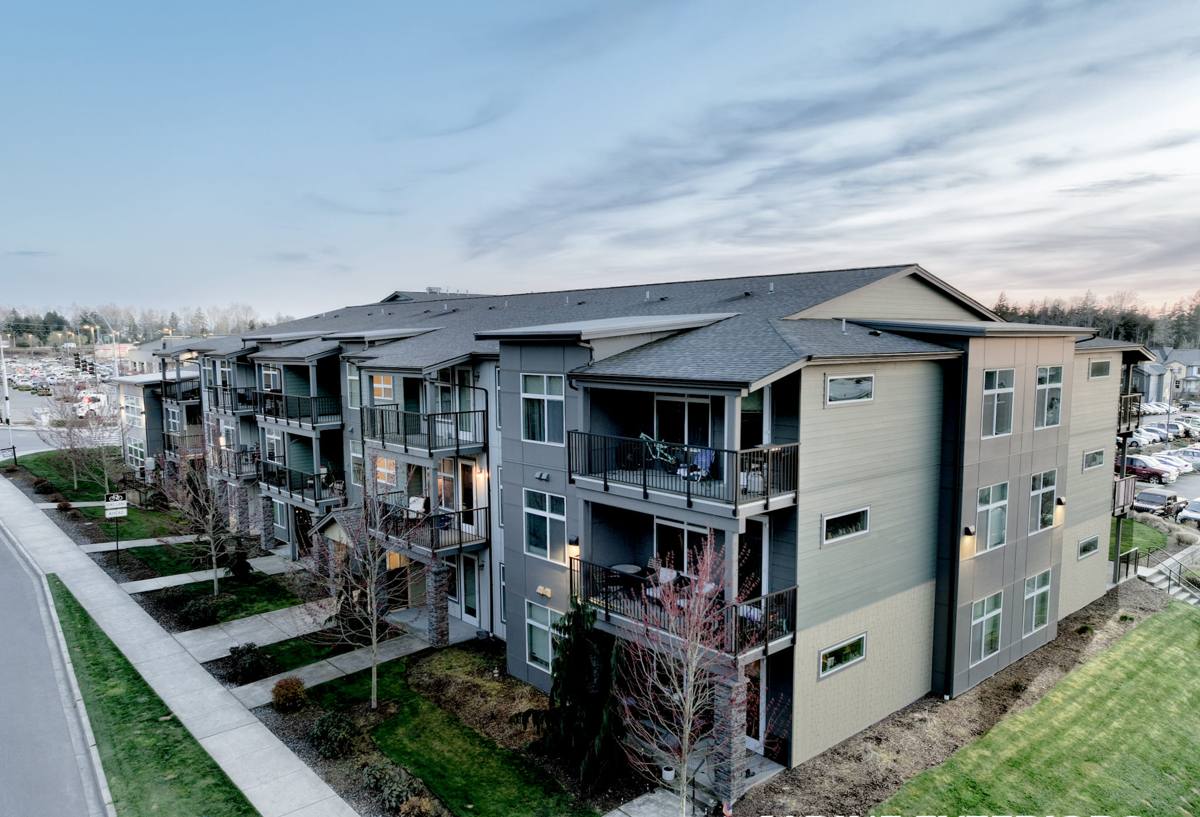
Homes near the Lynden, Washington and Abbotsford, BC corridor sit in a stretch of the Pacific Northwest that is genuinely hard on windows. It's not one dramatic weather event that does the damage — it's the accumulation. Damp air moves through this part of Whatcom County almost year-round, rain arrives sideways more often than straight down, and anything shaded or north-facing stays wet long enough to grow moss and algae. Window frames, sills, and the seals around them take the brunt of it, and a window that was installed even slightly wrong tends to show it within a few years, not a few decades.
This page covers what window installation actually requires in this specific area, what separates a correct install from a sloppy one, and how we approach the work for homeowners near Abbotsford, BC and throughout the greater Lynden area.
What This Climate Does to Windows Over Time
Three things drive most of the window problems we see out here:
Salt Air
Even well inland from saltwater, this region gets enough marine influence in the air to slowly corrode unprotected metal hardware — hinges, cranks, and lock mechanisms on lower-quality windows. Once corrosion starts, a window stops closing tight, and a window that doesn't close tight stops keeping water out.
Driving Rain
Wind-driven rain doesn't just fall on a window, it pushes against it and finds any gap in the flashing or sealant. Most window leaks we investigate aren't failures of the window unit itself — they're failures of the flashing and sealing work done around it during installation. This is the single biggest reason a "good window" can still leak.
A Long Moss Season
Shaded sills, north walls, and anything under an overhang without good drainage will grow moss and algae for a good chunk of the year here. Moss holds moisture against wood trim and vinyl tracks, which accelerates rot and breaks down sealant faster than dry-climate manufacturer warranties assume.
None of this means windows here fail fast. It means the margin for installation error is smaller than it is in a dry climate, and small mistakes compound instead of drying out and disappearing.
Signs a Window Is Due for Replacement
Homeowners near Abbotsford, BC and Lynden often live with a failing window longer than they need to because the signs are gradual. Watch for:
- Visible condensation or fog trapped between panes (a broken seal, not a cleaning issue)
- Soft or discolored wood trim around the frame, inside or outside
- Drafts you can feel by hand along the frame edge on a windy day
- A sash that's hard to open, close, or lock — often a sign of frame or hardware corrosion
- Paint that keeps failing on the interior sill no matter how often it's touched up
- Visible moss, algae, or persistent dark staining on the exterior sill or bottom corners
- A noticeable rise in heating costs with no other explanation
Any one of these on its own isn't an emergency. Several at once, especially soft trim plus condensation, usually means water has already gotten past the seal and it's worth having someone look before it spreads into the wall framing.
What a Correct Window Installation Actually Involves
The window unit itself is only part of the job. In this climate, the installation details matter as much as the product:
Removal Without Collateral Damage
Old windows need to come out without tearing up more of the surrounding wall or siding than necessary, and without leaving the opening exposed to rain any longer than it has to be. On a wet-season job, this means having materials staged and the crew ready to close the opening the same day, not leaving a house open overnight.
Inspecting the Rough Opening
Before a new window goes in, the opening itself gets checked for rot, soft framing, or old water damage that was hidden behind the previous window. This is often where a "simple window swap" turns into a slightly bigger job — and it's better to find that out and fix it than to seal a new window over a compromised frame.
Sill Pan and Flashing
This is the part that determines whether a window leaks in three years or holds for its full service life. A proper install uses a sloped sill pan so any water that gets past the sash drains back outside instead of pooling, along with flashing tape and house wrap integration that direct water down and out, not into the wall cavity. This step is invisible once the job is done — you're trusting the installer got it right, which is exactly why the crew's habits matter more than the window brand.
Sealing and Insulation
The gap between the new window frame and the rough opening gets insulated (not packed solid — overpacking can bow a frame) and sealed on the exterior with a compatible sealant rated for the temperature swings and rain exposure here.
Interior and Exterior Finish
Trim, casing, and any siding disturbed during the swap get put back correctly and sealed, not just caulked over as an afterthought.
Choosing a Window Frame Material for This Climate
There's no single "best" window material — it depends on your home, your budget, and how much upkeep you want to do. Here's how the common options actually perform in a wet, moss-prone, salt-influenced climate:
| Frame Material | Moisture Behavior | Maintenance | Typical Lifespan Here |
|---|---|---|---|
| Vinyl | Won't rot; hardware quality varies by manufacturer | Low — occasional track cleaning | 20–30 years, install-dependent |
| Fiberglass | Very stable in wet/dry cycling, resists warping | Low | 30+ years, install-dependent |
| Aluminum | Prone to condensation without thermal break; corrosion risk in salt-influenced air | Moderate | Varies widely by grade |
| Wood / Wood-Clad | Excellent look, but exposed wood is vulnerable to this region's rain and moss unless well-maintained | High — regular finish maintenance required | Long lifespan only with upkeep |
Whatever material you choose, the installation is still what determines whether that material's advantages actually show up over the next twenty years. A well-installed vinyl window will consistently outperform a poorly installed premium one.
Our Installation Process
- On-site assessment — we look at your existing windows, the condition of the openings, and any problem areas (shaded walls, moss buildup, past leaks) before quoting anything.
- Measurement and product selection — exact measurements for each opening, and a conversation about frame material, glass package, and performance ratings that make sense for your home and budget.
- Scheduling around the weather — we plan install days with rain in mind. Openings don't sit exposed longer than necessary.
- Removal and opening inspection — old units come out, and we check the framing before anything new goes in.
- Installation — sill pan, flashing, insulation, and sealing done in that order, every time, not shortcuts taken to save an hour.
- Finish work — trim, caulking, and cleanup, interior and exterior.
- Walkthrough — we test every operable window with you before we call the job done.
What Affects the Cost
Window pricing varies enough that we won't put a number on it without seeing the job, but here's what actually moves the price up or down:
| Factor | Why It Matters |
|---|---|
| Number and size of openings | More labor and material, straightforward scaling |
| Frame material and glass package | Fiberglass and multi-pane low-E glass cost more upfront than basic vinyl |
| Rot or damage found in the opening | Repair work is billed separately from the window swap itself |
| Full-frame vs. insert replacement | Insert replacement reuses the old frame and is cheaper; full-frame is more thorough but more involved |
| Access and site conditions | Second-story or hard-to-reach windows take more time and equipment |
| Trim and siding repair around the opening | Needed if old flashing or trim was already failing |
Why It Matters That We Already Work This Area
Lynden and the country around Abbotsford, BC sit close enough to the border that homes on both sides deal with the same weather pattern but not always the same permitting and code requirements. A crew that regularly works this specific corridor knows to check which jurisdiction a given property falls under, what permit process applies, and what inspection expectations look like — instead of figuring that out for the first time on your job. We also know which parts of homes in this area tend to have hidden moisture damage before we even open the wall, because we've seen the same failure patterns on other jobs nearby: north-facing walls under trees, sills without enough slope, old aluminum frames past their working life. That local pattern recognition is worth more than it sounds like — it's the difference between a quote that's accurate the first time and one that grows once the walls are opened up.
Keeping New Windows Performing Long-Term
A correct install gets you most of the way there. A little upkeep keeps it that way:
- Clear moss and debris from exterior sills and tracks a couple of times a year, especially on shaded walls
- Check that weep holes (the small drainage openings on the bottom of the frame) aren't clogged with dirt or moss
- Inspect exterior caulking annually and touch up any cracked or separated sections before wet season
- Lubricate hardware on operable windows if it starts feeling stiff — don't force it
- Watch for soft spots in interior sills or trim, which usually mean water is getting somewhere it shouldn't
If you're in the Abbotsford, BC or Lynden area and want a straight answer on whether your windows need replacing or just some attention, we're happy to take a look. Reach out for a free, no-pressure estimate using the form below.