 Lynden Siding
 Windows Built for How Sumas Actually Weathers
Sumas sits in the Nooksack lowlands right up against the Canadian border, and homes here take a different kind of beating than a house twenty minutes south in Bellingham proper. It's not direct salt spray the way a shoreline property gets it — Sumas is inland enough that salt air isn't the daily concern. What Sumas does get, year after year, is the same marine-pushed weather system that soaks all of Whatcom County: long stretches of driving rain, damp valley air that never fully dries out between storms, and a moss and mildew season that can run from October clear through April. Add in the wide temperature swings a low-lying river valley sees between summer afternoons and winter cold snaps, and you've got a climate that's hard on window seals, hard on frames, and unforgiving of a sloppy installation.
Custom windows for a Sumas home aren't a luxury upgrade — they're the right response to that climate. "Custom" here doesn't mean ornate. It means built and installed to fit your specific openings, your specific exposure, and the specific way water and wind move across your property, instead of whatever stock size happened to fit closest.
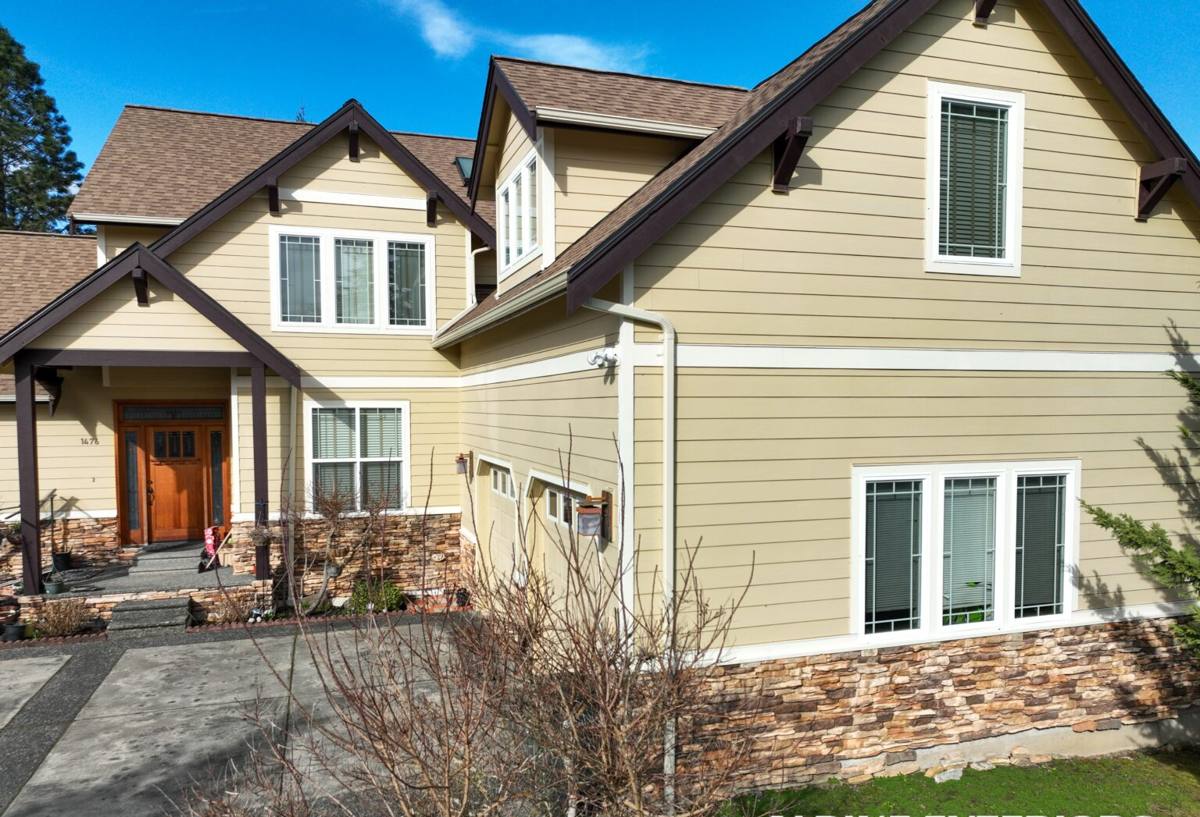
What "Custom" Actually Means on This Job
A lot of homeowners hear "custom windows" and picture something decorative. In practice, custom window work covers three very ordinary but important situations that come up constantly on Sumas homes:
- Non-standard openings. Older farmhouses and older Sumas-area homes were often framed before manufacturers standardized window sizes. A stock window forces a contractor to either shrink the opening with extra framing or oversize it with shims and filler — both create weak points where water finds a way in.
- Style-matched replacements. Grids, trim profiles, and glass tint that match the rest of the house so a window replacement doesn't look bolted on.
- Performance-matched glass and frame packages. Choosing glass coatings, gas fill, and frame material based on which direction the window faces and how much weather it actually takes — a west-facing window catching the prevailing rain needs a different spec than a sheltered window on the lee side of the house.
All three matter more in a climate like this one than they would somewhere dry. A window that's slightly the wrong size, or sealed with a generic bead of caulk instead of proper flashing, is a window that starts letting moisture into the wall cavity within a season or two — and in a valley that stays damp most of the year, that moisture doesn't get a chance to dry out on its own.
The Climate Problems We're Actually Solving For
Persistent moisture and moss
Whatcom County's moss season isn't just a cosmetic nuisance. Moss and algae hold moisture against a surface, and where that surface is a window frame or the trim around it, sustained dampness accelerates rot in wood components and breaks down cheap sealants faster than a drier climate would. Frame material and sealing detail matter more here than in most parts of the country.
Wind-driven rain
Rain in this region rarely falls straight down — it comes in sideways on a system moving through, which means it gets pushed into any gap around a window rather than just running down the glass. This is a flashing and installation issue as much as a product issue: even a good window leaks if the water-resistive barrier and flashing behind it aren't integrated correctly with the siding.
Valley temperature swings
Low-lying river valley terrain like Sumas sits in tends to trap cold air in winter and heat up more in summer than areas with more airflow. That swing puts more stress on seals and insulated glass units over the life of the window, which is part of why we don't treat every job the same regardless of exposure or orientation.
Frame Material Comparison for This Climate
There's no single "best" window material — there's a best fit for your house, your budget, and how much upkeep you want to take on. Here's how the common options actually compare for a wet, moss-prone climate like Sumas's:
| Material | Moisture Resistance | Maintenance | Typical Cost Range | Best Fit |
|---|---|---|---|---|
| Vinyl | Very good — won't rot, resists moss growth on the frame itself | Low — occasional cleaning | Lowest of the standard options | Most Sumas homes; strong value and low upkeep |
| Fiberglass | Excellent — dimensionally stable in temperature swings | Low | Mid to upper-mid | Larger openings or homes with real temperature extremes |
| Wood-clad | Good if maintained; the clad exterior protects the wood core | Higher — interior wood and any exposed joints need attention | Highest | Homes prioritizing a traditional interior wood look |
| Aluminum | Fair — prone to condensation and thermal transfer in cold snaps | Moderate | Mid | Limited use; rarely our first recommendation for this climate |
We steer most Sumas customers toward vinyl or fiberglass, not because other materials are bad products, but because a low-maintenance frame is simply the more honest choice for a climate that gives wood and exposed joints very little chance to dry out. If you love the look of real wood trim, cladding gives you that appearance on the exterior while keeping the maintenance burden reasonable.
Glass and Sealing Details That Actually Matter Here
Beyond frame material, the details that make the biggest difference in a place like Sumas are:
- Double or triple-pane insulated glass units with argon or krypton gas fill, sized to the temperature range this valley actually sees rather than a generic national spec.
- Low-E coatings tuned to whether a window faces prevailing weather or sits sheltered — a west or southwest exposure benefits from different glass performance than a protected north-facing window.
- Warm-edge spacers between the panes, which resist condensation at the glass edge better than older aluminum spacer designs — condensation at the sill is one of the most common complaints we hear on older window installs in this area.
- Proper flashing integration with the house wrap and siding, so the window becomes part of a continuous water-shedding system rather than a separate component someone caulked into a hole.
Our Installation Process
1. On-site assessment
We look at each opening individually — framing condition, current signs of moisture or rot, sun and rain exposure, and whether the opening is standard or truly custom. This is also when we check how the window will tie into your existing siding and trim.
2. Measurement and product selection
Exact measurements go to the manufacturer or our shop for custom sizing. We walk you through frame material, glass package, and grid/trim options based on that specific opening's exposure, not a one-size recommendation for the whole house.
3. Removal and opening prep
Old windows come out carefully so we can inspect the framing underneath — this is often the first real look anyone's had at that wall cavity in years, and it's where hidden moisture damage from a prior bad install shows up.
4. Flashing, installation, and sealing
Proper flashing tape and sealant sequencing so water is directed out and down, never trapped behind the window. This step is where most of the long-term performance of a window installation actually gets decided — the window itself is only part of the system.
5. Interior and exterior finish
Trim, caulking, and cleanup so the finished window looks like it belongs, inside and out.
6. Final walkthrough
We check operation, seal quality, and answer questions before we consider the job done.
Why a Crew That Already Works in Sumas Makes a Difference
Window installation is one of those trades where local familiarity genuinely changes outcomes, not just convenience. A crew that regularly works Whatcom County knows:
- How local building and permitting requirements apply to window replacement versus new construction openings.
- Which flashing and sealing details hold up against this specific rain pattern, learned from callbacks and repeat visits, not a manual written for a different climate.
- How older Sumas-area home framing tends to be built, so custom sizing goes faster and with fewer surprises.
- Realistic scheduling around the wettest stretches of the year, since window work goes better with a dry install window than a rushed one squeezed between storms.
A contractor who mostly works elsewhere and takes the occasional Whatcom County job doesn't carry that same base of experience into your project.
Homeowner Maintenance Checklist
Even a well-installed custom window benefits from basic seasonal attention in this climate:
- Clear moss and debris from window sills and tracks before it holds moisture against the frame.
- Check exterior caulking lines each fall for cracking or separation, before the wet season sets in.
- Wipe down interior sills after heavy cold snaps to catch condensation before it sits.
- Operate every window at least a few times a year — hardware that sits unused is more likely to bind or seize.
- Watch for soft spots in interior trim or exterior siding near window edges, an early sign of a seal that's starting to fail.
Signs It's Time to Replace Rather Than Repair
Not every window issue means a full replacement, but a few signs consistently point that way for homes in this climate:
| Sign | What It Usually Means |
|---|---|
| Persistent fogging between the panes | The seal on the insulated glass unit has failed — glass replacement or full window replacement needed |
| Soft or discolored trim around the frame | Water has been getting behind the window for some time |
| Window won't stay open or is hard to operate | Frame has shifted or hardware has worn out — sometimes repairable, often a sign of age |
| Noticeable draft even when fully closed | Seal or weatherstripping has degraded past the point of simple adjustment |
If you're only seeing one or two of these and the frame itself is sound, a repair may be all you need — we'll tell you honestly if that's the case rather than pushing a full replacement you don't need yet.
If you're weighing custom windows for a Sumas home, we're glad to take a look and give you a straightforward, no-pressure estimate — what your specific openings need, what it'll cost, and why. Use the form below to get started.