 Lynden Siding
 Windows Built for the Nooksack Valley, Not Just "Energy Efficient" on a Label
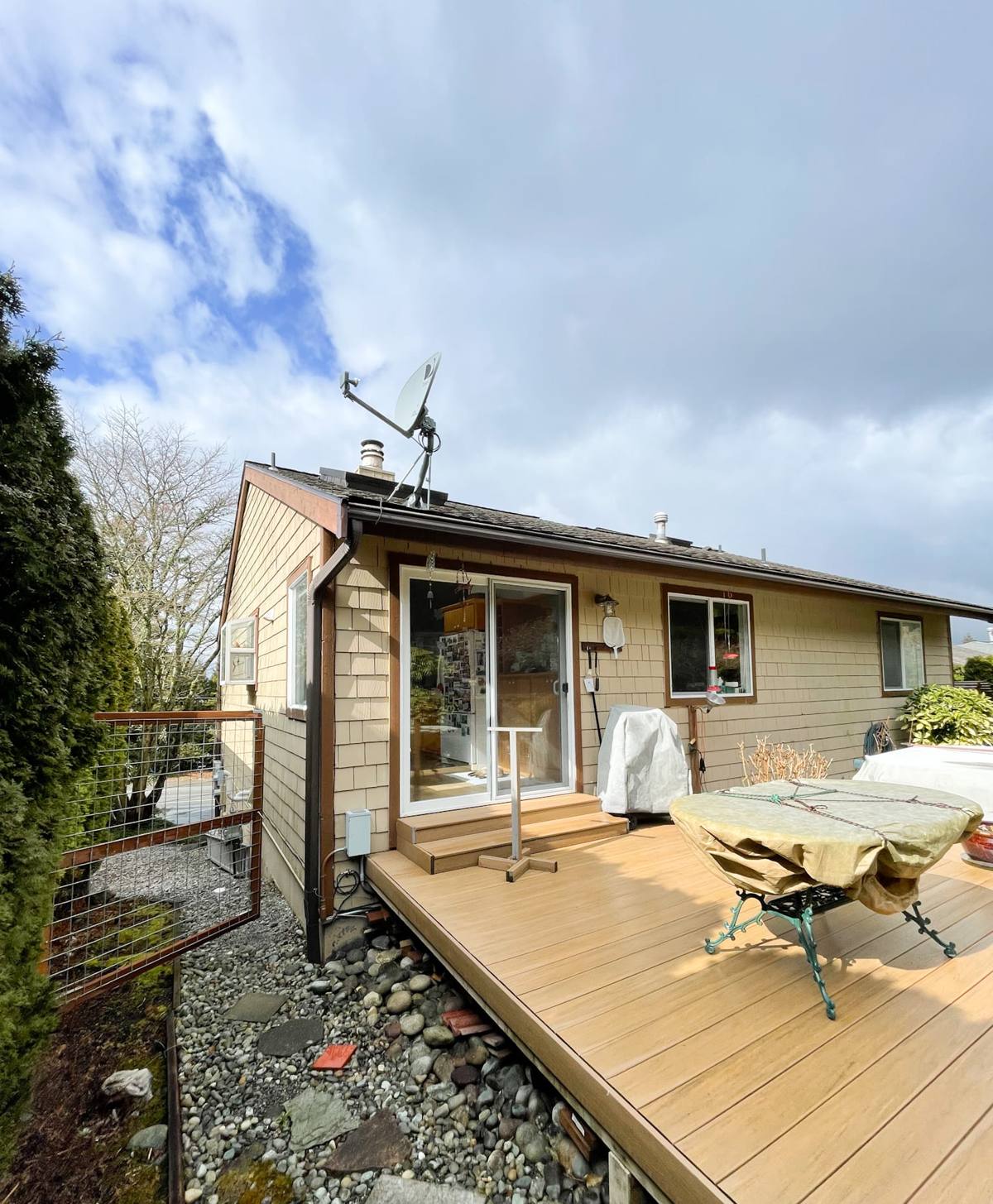
Nooksack sits in a stretch of Whatcom County where the weather doesn't do anything halfway. Marine air moves up from the Sound and the Strait, drops its moisture over the valley, and settles into the kind of long, grey, drizzly stretch that lasts from fall through spring. Add driving rain that comes in sideways during winter storms, and a moss and algae season that seems to start earlier every year, and you've got a climate that is genuinely hard on windows — not because the glass fails, but because the frame, the flashing, and the seal around the window take a beating that most manufacturers' warranty language never mentions.
When we talk about "energy-efficient windows" for a Nooksack home, we're not just talking about a sticker on the glass. We're talking about a window and an installation that can shed water for years without letting it behind the trim, that won't fog or ice on the inside during a cold snap, and that keeps your heating bill from climbing every time the wind picks up out of the valley. That's a different standard than what a big-box window is built to hit, and it's worth understanding before you spend the money.
What "Energy Efficient" Actually Means on a Window
Every vinyl, fiberglass, or wood-clad window sold today comes with performance numbers. Most homeowners never look past the price tag, but these numbers are the actual difference between a window that earns its keep and one that just looks new.
The ratings that matter here
- U-factor — measures how much heat escapes through the window. Lower is better. In a climate with our winters, this is the number that affects your heating bill the most.
- SHGC (Solar Heat Gain Coefficient) — how much solar heat passes through the glass. On south- and west-facing walls this matters for summer comfort; on shaded or north-facing walls it matters less.
- Condensation resistance — how well the window resists moisture forming on the interior glass during cold, damp stretches. This is a big one for Whatcom County homes and it's often overlooked.
- Air leakage rating — how much air passes through the assembled window, not just the glass. A window can have great glass and still leak air badly if the frame and sash don't seal tight.
Most quality windows sold today use double-pane insulated glass with a low-E coating and an inert gas fill (usually argon) between the panes. That combination is the baseline for anything worth installing in this climate — single-pane glass and older aluminum-frame windows are the ones we replace most often, precisely because they can't compete with any of the numbers above.
Signs Your Current Windows Are Working Against You
Homeowners usually call us for one of a handful of reasons, and most of them show up gradually enough that it's easy to write them off as normal.
- Condensation or fog building up between the panes — the seal has failed and the gas fill is gone.
- Visible moss, algae, or black streaking on the sill or lower frame, especially on north- and west-facing exposures that stay shaded and damp longer.
- A cold draft you can feel standing near the window on a windy day, even with it fully latched.
- Wood trim or sill that's gone soft, spongy, or is showing paint failure below the window.
- Windows that are difficult to open, or that have swollen shut, which usually points to moisture getting into the frame itself.
- A noticeable jump in heating costs that isn't explained by anything else in the house.
Any one of these on its own isn't necessarily an emergency. But in a climate that gets this much sustained rain and this many freeze-thaw cycles, small problems at the window don't stay small — they work their way into the wall assembly if they're left alone.
What a Correct Installation Actually Involves
This is the part most homeowners never see, and it's the part that determines whether a window lasts fifteen years or thirty. The window unit itself is only part of the equation — how it's flashed and sealed into the wall is what actually keeps water out.
The details that matter in this climate
- Sill pan flashing — a sloped, waterproof pan under the window that gives any water that gets past the frame somewhere to go besides your wall sheathing. This is non-negotiable in a climate with driving rain.
- Proper flashing tape sequencing — flashing has to be layered shingle-style (bottom piece first, sides next, top last) so water always sheds outward and down, never into a seam.
- Continuous backer rod and sealant — the gap between the window frame and the rough opening needs to be sealed with the right materials, not just caulked over on the surface.
- Correct shimming and squaring — a window that's slightly out of square won't seal or operate correctly even if every material used was top quality.
- Interior air sealing — insulating and air-sealing the gap between the frame and the rough opening from the inside, not just foam sprayed in carelessly.
Skip any one of these steps and you can install the best-rated window on the market and still end up with rot, drafts, or a callback in a few years. We've reworked openings where the window itself was fine — the installation underneath it wasn't.
Comparing Frame Materials for a Damp Climate
There's no single "best" window material — it depends on the home, the budget, and how the window will be exposed. Here's how the common options actually compare for a place like ours.
| Frame Material | Moisture Behavior | Maintenance | Typical Lifespan |
|---|---|---|---|
| Vinyl | Won't rot; seams and welds need to be quality-built to stay watertight | Low — occasional cleaning | 20-30 years |
| Fiberglass | Very stable in wet/dry cycling; resists warping | Low | 30-40+ years |
| Wood-clad | Good if cladding and flashing details are done right; vulnerable where cladding is compromised | Moderate — watch cladding seams and sills | 20-30 years, install-dependent |
| Aluminum (older stock) | Poor thermal performance, prone to condensation | Low, but performance suffers | Often replaced for efficiency, not failure |
For most Nooksack-area homes, we lean toward vinyl or fiberglass for anything exposed to weather on the west or north side of the house, simply because they don't give moisture anywhere to take hold. Wood-clad windows can look excellent and perform well, but they ask more of the installer and the homeowner — the cladding and sill details have to be done correctly, and gutters and grade need to keep water moving away from the wall.
Our Process for a Nooksack Window Project
Every home is different, but the process we follow doesn't change:
- On-site assessment — we look at each window opening individually, not just the glass. Framing condition, current flashing (if any), sill pitch, and any signs of past water intrusion all get checked before we quote anything.
- Straightforward proposal — you get a written scope that spells out the window specs (U-factor, SHGC, glass package), the flashing and sealing approach, and what's included, so there's no guessing later.
- Removal and opening prep — old units come out carefully so we can inspect the sheathing and framing underneath before anything new goes in. If we find rot or damage, we tell you before we cover it back up, not after.
- Correct flashing and installation — sill pan, shingle-lapped flashing tape, proper shimming, and air sealing, every time, not just on the jobs where it's convenient.
- Interior and exterior finish work — trim, caulking, and touch-up done to match the rest of the house.
- Final walkthrough — every window operated and checked with you before we call it done.
Why Hiring a Crew That Already Works This Area Matters
A window installer who mostly works drier inland climates or new-construction tracts can put in a technically fine window and still get the flashing details wrong for a place like the Nooksack valley, because the consequences of a shortcut don't show up right away — they show up in year three or four, after a couple of wet winters have found the gap. A crew that works Whatcom County regularly has already seen what happens when a sill pan is skipped, when flashing tape is applied in the wrong order, or when a window is sealed but not actually air-tight. That experience shows up in the details you don't see after the job is done: the ones that keep water out for the next twenty years instead of the next two.
It also means realistic expectations about timing. Window installation in this climate goes better with a dry weather window, and a local crew knows how to plan around our stretches of rain instead of forcing an install during them and hoping the tape holds.
What Affects the Cost of a Window Project
| Factor | Why It Matters |
|---|---|
| Number and size of openings | More units and larger glass area increase material and labor time |
| Frame material | Vinyl is typically the most budget-friendly; fiberglass and wood-clad cost more upfront |
| Glass package | Upgraded low-E coatings, triple-pane, or specialty tints add cost but improve performance |
| Condition of the existing opening | Rot or framing repair found during removal adds time and materials |
| Trim and finish work | Matching existing interior/exterior trim profiles can add labor |
| Access and home height | Second-story or hard-to-reach openings take longer to work safely |
We don't quote windows off a phone call — every home and every opening is different, and the only honest way to give you a real number is to look at it in person.
Get a Straightforward Look at Your Windows
If your windows are fogging, drafting, or just showing their age, it's worth getting an honest opinion before you decide what to do about it — sometimes it's a full replacement, sometimes it's a repair, and we'll tell you which. Request a free, no-pressure estimate using the form below and we'll take a real look at what your Nooksack-area home actually needs.