 Lynden Siding
 Why Maple Falls Roofs Take a Different Kind of Beating
Maple Falls sits in the wooded foothill country east of Lynden, in Whatcom County — a part of the Pacific Northwest where the roof over your head works harder than most people realize. Winters bring long stretches of driving rain, often pushed sideways by wind, and the salt-tinged air that moves inland off the Sound adds a slow corrosive edge to metal fasteners, flashing, and vent caps. Add in heavy tree cover and the shaded, slower-drying rooflines common in this area, and you get ideal conditions for moss and algae to take hold season after season.
None of that means your roof is doomed — it means it needs to be built and repaired with those conditions in mind. A patch job that would hold up fine in a dry climate can fail within a year or two out here if it ignores moisture behavior, drainage, and the way moss works its way under shingle edges. Roof repair in Maple Falls isn't just "fix what's leaking" — it's fixing it in a way that survives the next ten wet seasons.
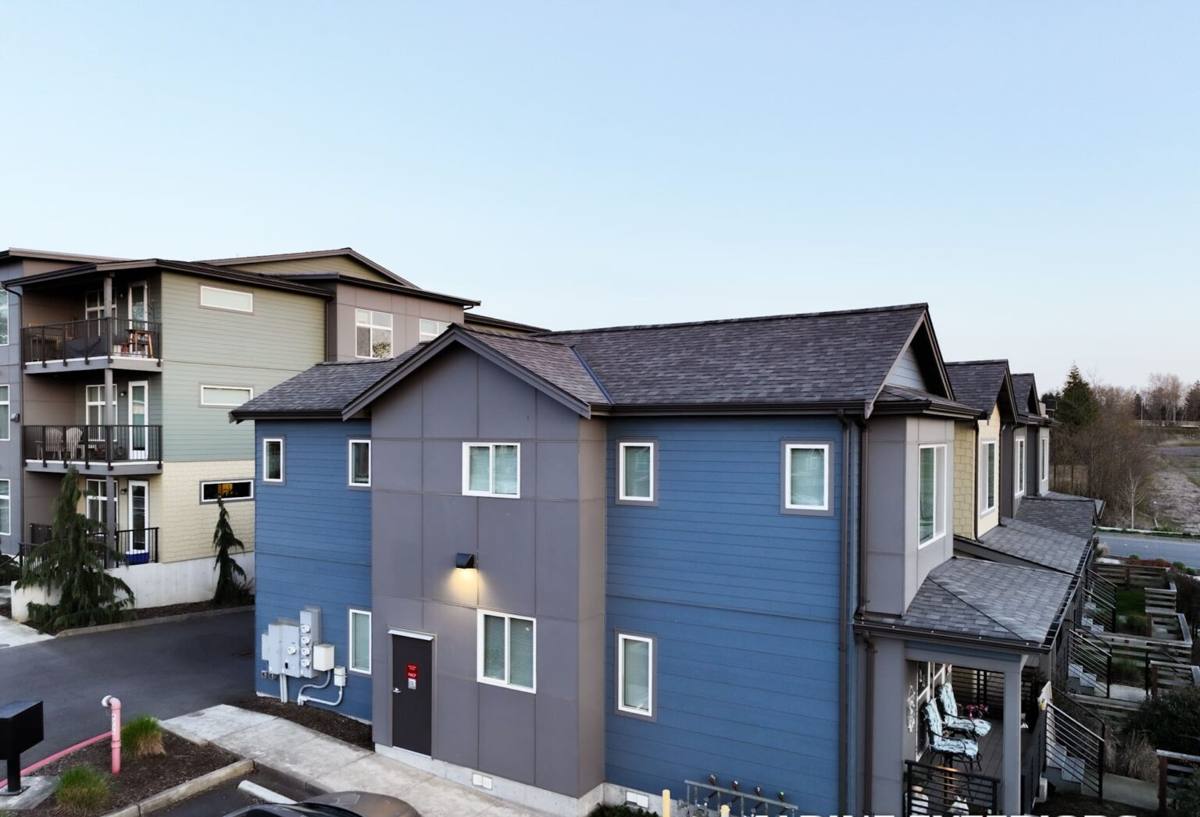
Signs Your Maple Falls Home Needs Roof Repair
Most roof problems don't start as leaks. They start as small, easy-to-miss changes that get worse every wet season they're ignored. Worth checking for, or having a pro check for:
- Moss mats or algae streaking along shaded slopes, valleys, or the north side of the roof
- Granules collecting in gutters or downspouts, a sign shingles are wearing thin
- Curling, cracked, or lifted shingle edges, especially after a windy storm
- Soft or spongy spots when walking the roof, which usually means the decking underneath is wet
- Rust streaks or gaps around flashing at chimneys, skylights, and roof-to-wall joints
- Water stains on interior ceilings or in the attic, even faint or old-looking ones
- Sagging along the ridge or eaves line
Any one of these on its own might be minor. Several together, or anything involving soft decking, means it's time for a real inspection rather than a wait-and-see approach.
What a Correct Roof Repair Actually Involves
Full Diagnosis Before Any Work Starts
A repair done right starts with finding the actual source of the problem, not just the spot where water showed up inside the house. Water travels — a stain on a bedroom ceiling can trace back to a flashing gap several feet away. That means checking the whole roof plane, the attic side of the deck where accessible, and the flashing details, not just patching the first thing that looks wrong.
Moss, Debris, and Organic Growth Removal Done Right
Moss has to come off before any repair is done underneath it, and it has to come off the right way. Scraping or pressure-washing shingles aggressively can strip granules and shorten the roof's remaining life faster than the moss itself would have. The correct approach uses gentle removal methods and roof-safe treatments, followed by keeping debris out of valleys and behind chimneys where it traps moisture longest.
Flashing, Underlayment, and the Parts You Don't See
Most repeat leaks trace back to flashing and underlayment, not the shingles themselves. In a climate with this much sustained rain, wind-driven moisture finds any gap in flashing around chimneys, skylights, vent pipes, and roof-to-wall transitions. A proper repair replaces compromised flashing and underlayment rather than caulking over it, since caulk is a temporary fix at best in constant wet conditions.
Matching Materials So Repairs Blend In
When shingles need to be replaced in a section, we work to match the existing material as closely as possible in profile and color family so the repair doesn't stand out as a patch. On older roofs where exact matches aren't available, we'll tell you that honestly up front rather than surprise you with a mismatched section afterward.
Common Roof Repair Issues We See Around Maple Falls
Composition Shingle Roofs
The most common repair calls on shingle roofs in this area involve moss intrusion at the edges, granule loss on sun-exposed slopes, and flashing failures around penetrations. Shaded roof sections hold moisture longer after every rain, which accelerates wear compared to a roof with full sun exposure.
Metal Roofing
Metal roofs handle the rain volume well but are more sensitive to fastener backout, seam sealant breakdown, and the slow corrosive effect of salt-influenced air on exposed steel over many years. Repairs here focus on fastener replacement, seam resealing, and catching early rust before it spreads.
Our Repair Process, Start to Finish
Inspection & Documentation
We walk the roof and the attic where accessible, note every issue we find — not just the one you called about — and document it so you know exactly what's going on before any decisions get made.
Written Estimate
You get a clear, itemized estimate that separates what needs to happen now from what's worth keeping an eye on. No pressure to bundle in work that isn't necessary yet.
Repair Day
We protect landscaping and gutters, remove and dispose of damaged material properly, and complete the repair using materials matched to your existing roof wherever possible.
Cleanup & Follow-Up
Job site gets cleaned of debris and stray fasteners, and we walk you through what was done before we leave. If anything settles or you have a question after the next hard rain, we want to hear about it.
Repair vs. Replacement: How We Help You Decide
Not every roof problem in Maple Falls calls for a full replacement, and not every problem should be patched forever. The honest answer depends on the roof's age, how widespread the damage is, and what's underneath the surface layer.
| Factor | Repair Usually Makes Sense | Replacement Usually Makes Sense |
|---|---|---|
| Age of roof | Roof is under roughly 15 years old | Roof is near or past its expected lifespan |
| Extent of damage | Issue is localized to one area or slope | Wear or moisture issues show up across multiple slopes |
| Decking condition | Decking underneath is solid and dry | Decking is soft, rotted, or repeatedly getting wet |
| Leak history | First occurrence, clear single cause | Recurring leaks in different spots over time |
| Material availability | Matching shingles or panels still available | Original material discontinued or badly weathered elsewhere |
We'll always tell you which side of that line your roof falls on, and why, in plain terms — not steer you toward the bigger job by default.
Roof Repair Cost Factors
Every roof and every repair is different, so exact pricing only comes from an on-site look. In general terms, though, these are the factors that move a repair estimate up or down:
| Cost Factor | Tends to Lower Cost | Tends to Raise Cost |
|---|---|---|
| Size of repair area | Small, contained section | Multiple sections or full slopes |
| Decking condition | Decking intact, no replacement needed | Rotted decking requiring replacement |
| Roof access & pitch | Low-pitch, easily accessible areas | Steep pitch or hard-to-reach sections |
| Material match | Common, readily available shingle or panel | Discontinued or specialty material |
| Flashing scope | Localized flashing repair | Full flashing replacement around multiple penetrations |
As a very rough guide, small, contained repairs on an otherwise sound roof often land in the low hundreds to low thousands of dollars; larger repairs involving decking replacement or multiple flashing points can run higher. We'll give you real numbers after we've actually seen the roof.
Maintenance Checklist to Extend Your Roof's Life
Between repairs, a few habits go a long way toward keeping a Maple Falls roof out of trouble during the wet months:
- Clear gutters and downspouts before the fall rains set in, and again mid-winter if trees are nearby
- Remove moss and organic debris from valleys and behind chimneys before it builds into mats
- Trim back overhanging branches so leaves and needles don't collect on the roof surface
- Check attic ventilation is clear and unobstructed, since trapped moisture speeds up decking rot
- Walk the roofline visually after major windstorms and note anything that looks lifted or missing
- Have a professional inspection every year or two, even if nothing looks obviously wrong
Why Hire a Crew That Already Works Maple Falls
Roof repair isn't one-size-fits-all, and a crew that mostly works in drier, more open parts of the region won't always account for what shaded, moss-prone, rain-heavy roofs in this area actually need. Working regularly around Maple Falls and greater Whatcom County means recognizing which failure patterns are climate-driven versus which are one-off, knowing how local drainage and tree cover affect a given roof, and showing up promptly when a storm causes damage that needs attention fast — not weeks from now.
It also means standing behind the work with a crew that's still local and reachable if a question comes up after the fact, rather than a name that only shows up for the sale.
If you're dealing with a leak, visible moss buildup, or just want an honest read on your roof's condition, we're happy to take a look. Use the form below to request a free, no-pressure estimate — we'll tell you straight what your roof needs, and what it doesn't.