 Lynden Siding
 Building a Deck That Holds Up in Kendall
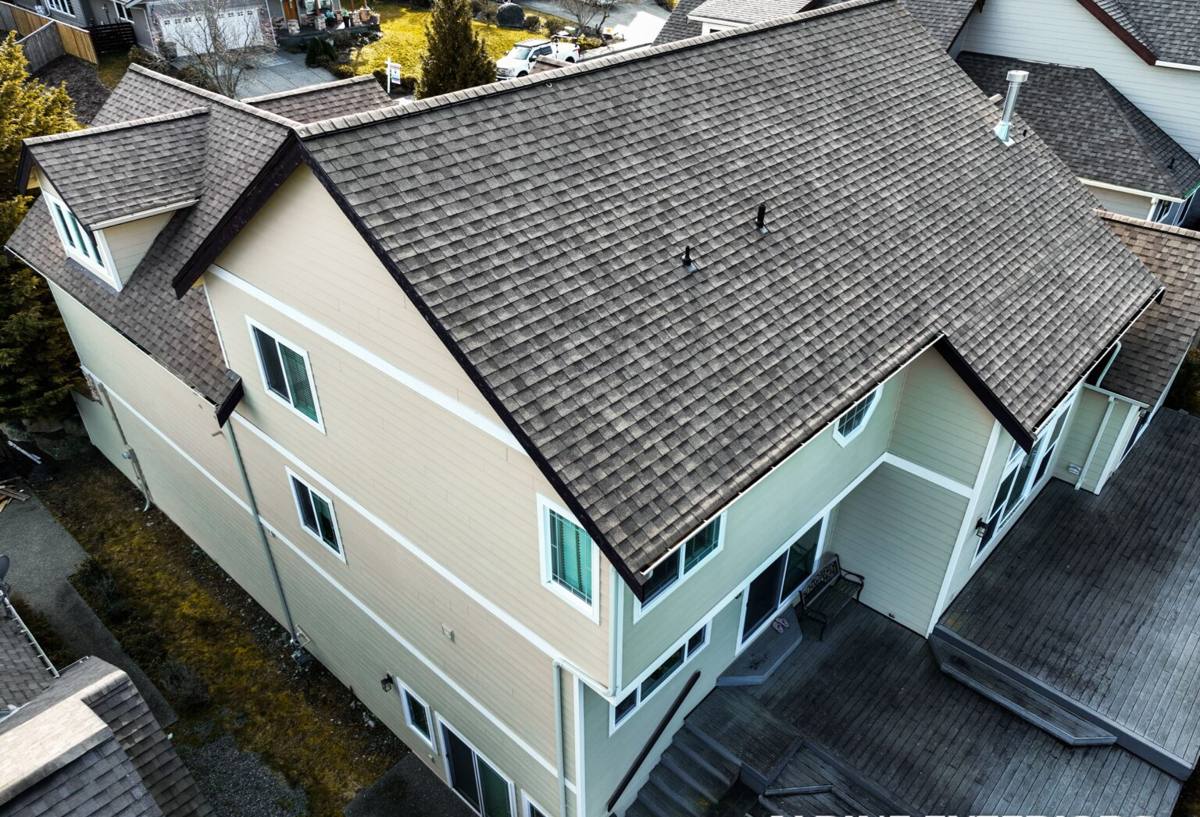
Kendall sits in the wooded, semi-rural stretch of Whatcom County east of Lynden, closer to the foothills and the Nooksack River corridor than to town. That setting is part of what makes it a great place to add outdoor living space — but it's also a setting that's harder on a deck than a typical suburban lot. More tree cover means more shade, more standing moisture, and more organic debris landing on your decking all year. Add in the long Pacific Northwest wet season, driving rain that comes in sideways during winter storms, and a moss season that can stretch from October well into spring, and you've got a structure that needs to be built for the conditions it will actually face — not just built to look good on a sunny installation day.
A deck built without that context in mind will often look fine for the first year or two. The problems that show up later — soft spots near the ledger board, black streaking on the underside of boards, a slick green film on the walking surface, rust bleeding from fasteners — almost always trace back to shortcuts taken during framing or material selection. Our approach to deck building in Kendall starts with treating moisture management as the main event, not an afterthought.
What Kendall's Setting Means for Your Deck
Homes on wooded or partially wooded lots around Kendall deal with a few conditions that a deck in a more open, sun-exposed part of Whatcom County doesn't see as much:
- Extended shade and slower drying — tree cover keeps decking wet longer after rain, which speeds up moss and algae growth on horizontal surfaces.
- More organic debris — leaves, needles, and pollen collect between boards and in corners, holding moisture against the wood and clogging drainage gaps.
- Cooler ground temperatures — shaded, tree-lined lots stay damp near the soil longer, which matters for footing depth and post-base material.
- Wind-driven rain against the house — even set back from open exposure, winter storms push rain sideways, which puts real stress on the ledger board connection and any decking that runs up against siding or trim.
None of this means a deck in Kendall can't last for decades. It means the build has to account for slower drying, more debris, and sustained dampness rather than assuming a few dry summer months will keep things in check.
Choosing the Right Decking Material
There's no single "best" decking material for every Kendall property — it depends on how much sun and shade the site gets, your maintenance appetite, and budget. Here's how the common options actually compare once you factor in this area's climate:
| Material | Moisture & Moss Behavior | Maintenance | Typical Lifespan |
|---|---|---|---|
| Pressure-treated wood | Absorbs moisture readily in shaded spots; prone to moss/algae without regular cleaning | Annual cleaning, periodic sealing/staining | 15-20 years with upkeep |
| Cedar | Naturally rot-resistant but still needs airflow and drainage to avoid surface graying and moss | Cleaning and oiling every 1-2 years to maintain appearance | 20-25 years with upkeep |
| Composite decking | Doesn't absorb moisture into the board itself; still needs cleaning where moss forms on the surface film | Occasional washing, no sealing or staining | 25-30+ years, manufacturer-backed |
| PVC/capped composite | Fully sealed surface resists moisture and staining best in shaded, wet spots | Lowest — periodic rinsing | 25-30+ years, manufacturer-backed |
On a shaded, wooded Kendall lot, we lean toward recommending composite or capped composite decking more often than we would on an open, sun-drenched site — not because wood is a bad product, but because a shaded deck stays damp longer, and that's exactly the condition where wood needs the most upkeep to stay ahead of moss and soft spots. If you want the look and feel of real wood and are willing to keep up with cleaning and sealing, cedar or pressure-treated lumber is still a sound choice — we just make sure you know what the maintenance schedule actually looks like before you commit, not after.
What a Correctly Built Deck Involves
The visible decking boards are the smallest part of what determines how long a deck lasts. Most failures start below the surface, in details that are easy to shortcut and hard to inspect once the project is finished.
Framing and Ledger Attachment
If your deck attaches to the house, the ledger board connection is the single most important structural detail on the project. It needs proper flashing to keep water from tracking behind the siding and into the wall framing, and lag bolts or through-bolts sized and spaced to code — not just nailed on. This is the connection point most responsible for water intrusion claims on attached decks, and it's the one detail we never shortcut.
Joist Protection
Joist tape over the top of each framing member keeps rainwater from soaking directly into cut lumber, which is where rot typically starts first. On a shaded lot where framing stays damp longer between rain events, this small step matters more than it would on a dry, open site.
Footings and Post Bases
Footings need to be poured to the correct frost depth and post bases need to keep the post end grain off the concrete and out of standing water. In a wooded, damp setting, ground moisture around footings tends to linger longer, so we don't cut corners on footing depth or drainage gravel underneath.
Fasteners and Hardware
Every fastener on an exterior deck should be corrosion-resistant — stainless steel or coated fasteners rated for treated lumber contact. Standard hardware rusts and stains the decking around it within a season or two in this climate, and rusted fasteners lose holding strength over time.
Spacing and Airflow
Board gap spacing and under-deck ventilation both affect how quickly the structure dries out after rain. Too tight a gap traps debris and moisture; proper spacing and skirting design let air move through and speed up drying between storms — which directly slows moss growth.
Guardrails and Stairs
Any deck more than a modest height off the ground needs code-compliant guardrails, proper baluster spacing, and securely anchored stair stringers. These aren't optional upgrades — they're required by building code and they're what keeps the structure safe for years of actual use, not just for the final walkthrough.
Permits and Whatcom County Considerations
Most new decks and many significant deck replacements in unincorporated Whatcom County — which includes Kendall — require a building permit, particularly once the structure passes certain height or size thresholds or attaches to the house. Permit requirements exist for a reason: they trigger inspection of exactly the structural details described above, including footing depth, ledger attachment, and guardrail compliance. We handle the permitting conversation as part of the project rather than leaving you to figure out county requirements on your own, and we build to the code that inspection will actually check against.
Our Deck Building Process
We keep the process straightforward and don't ask you to make decisions before you have the information to make them well.
- On-site assessment — we look at your lot's sun/shade exposure, existing drainage patterns, soil conditions, and how the deck will connect to your home.
- Design and material selection — we walk through decking material options honestly, including what each one actually costs to maintain over time on your specific lot.
- Permitting — we handle the paperwork and make sure the design meets current Whatcom County code before construction starts.
- Framing and structural work — footings, ledger attachment, joist protection, and framing come first and get built to hold up to this climate, not just pass a quick glance.
- Decking, railings, and finish work — surface material, guardrails, stairs, and any skirting or under-deck details go in last.
- Final walkthrough — we go over the finished deck with you, including what maintenance (if any) the material you chose will need going forward.
Keeping Moss and Rot at Bay: A Practical Checklist
Whatever material you choose, a few habits go a long way toward protecting the investment in a climate like this one:
- Sweep leaves, needles, and debris off the decking regularly, especially in fall and through the wet months
- Keep gutters and downspouts near the deck clear so runoff isn't dumping directly onto or under the structure
- Rinse or lightly scrub moss and algae off the surface before it builds up a slick film
- Check the ledger board area and any spots where decking meets siding for discoloration or soft wood once a year
- If you have wood decking, keep to a sealing or staining schedule rather than waiting until it visibly needs it
- Trim back overhanging branches where practical to let more light and air reach the deck surface
Signs an Existing Deck Needs Attention
If you already have a deck in the Kendall area, a few warning signs are worth acting on before they become bigger repairs:
- Soft or spongy spots underfoot, especially near the house connection
- Persistent green or black staining that comes back quickly after cleaning
- Rust streaks around fasteners or hardware
- Gaps or movement where the ledger board meets the house
- Wobble in railings or stair stringers
Some of these are simple repairs; others point to structural issues that are cheaper to fix now than after another wet season. We're happy to take a look and give you a straight answer either way.
Why Hire a Crew That Already Works in Kendall
A deck built for a dry-climate market doesn't automatically translate to this one. Crews who don't regularly work in wooded, damp Whatcom County settings can miss the details that matter most here — under-sizing footing depth for the ground conditions, skipping joist tape because "it's not required," or steering every customer toward the cheapest wood option without explaining what shade and moisture will do to it. We work on homes throughout the Lynden area, including the more rural, tree-covered lots around Kendall, and we build every deck — wood or composite — with this region's rain, shade, and moss season built into the plan from the first footing.
If you're planning a new deck or need an honest look at one that's showing its age, we're glad to walk the site with you and put together a straightforward estimate — no pressure, no sales script, just a clear picture of what your project actually needs. Use the form below to get in touch.