 Lynden Siding
 New Roofs in Deming Face a Different Set of Conditions
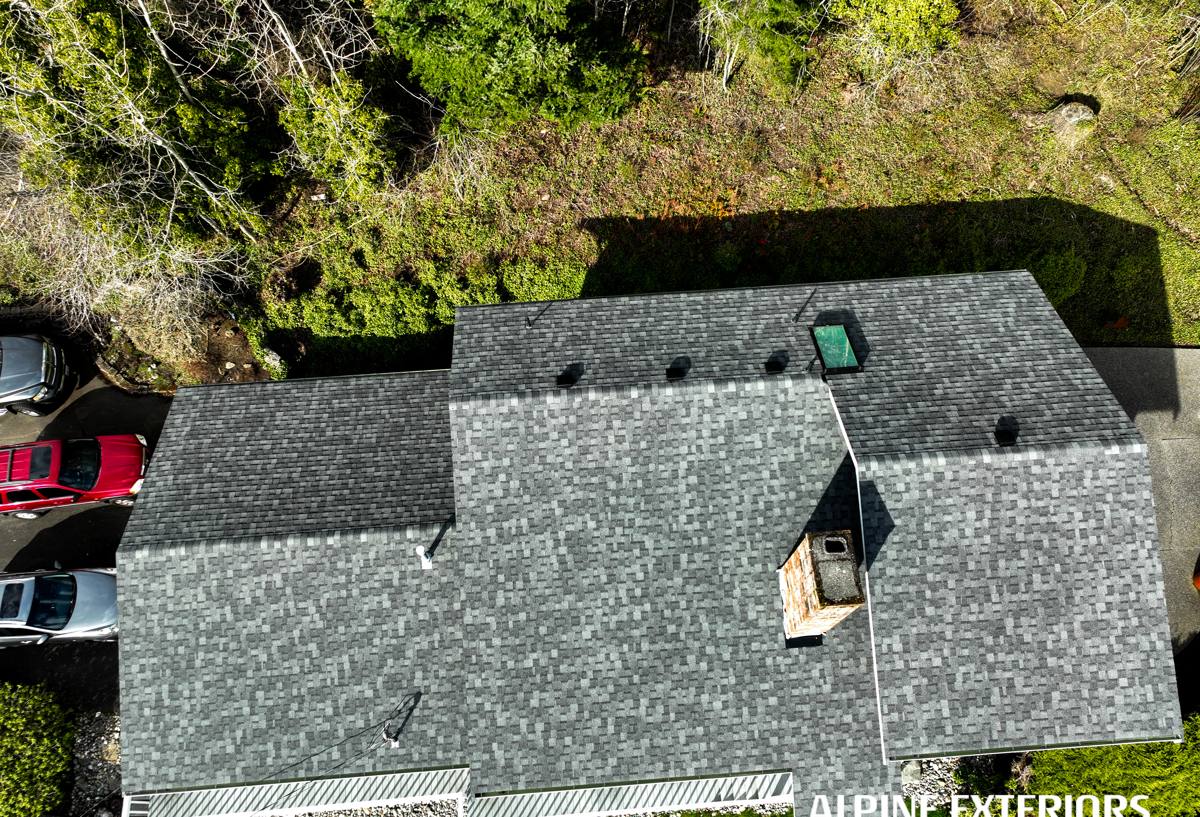
Deming sits inland from Lynden in the wooded, foothill terrain that leads up toward Mt. Baker, and that setting changes what a roof has to deal with day to day. Heavy tree cover means constant shade on large sections of most roofs, which slows drying after every rain and gives moss and moisture a head start that flatter, more open lots in town don't deal with as much. Add in Whatcom County's long wet season and the marine-influenced air that reaches inland from the Sound, and you get roofs that stay damp longer, shed moss faster, and show wear in different spots than a roof on the coast or in a dry climate ever would.
A new roof installation for a Deming property needs to be built around those realities from the decking up, not just installed the same way it would be anywhere else. That means paying real attention to ventilation, underlayment choice, valley and flashing detail, and how the roof will actually perform under tree cover through another Whatcom County winter — not just how it looks the day it's finished.
Signs a Repair Won't Cut It Anymore
Not every roof problem in Deming means a full replacement, but there are clear signals that patching is no longer the honest answer:
- Shingles that are cupping, cracking, or losing granules across large sections, not just one isolated spot
- Soft or spongy decking felt underfoot in the attic, especially near valleys or eaves
- Moss and moisture staining that returns within a season or two of cleaning, even after treatment
- Daylight visible through the roof deck or recurring leaks in more than one location
- A roof that's already at or past its expected material lifespan, regardless of how it looks from the ground
When several of these show up together, a new roof is usually the more honest recommendation than another round of spot repairs — repairs on an aging roof tend to become a pattern rather than a fix.
What a Correct Installation Actually Involves
Tear-Off and Deck Inspection
A proper installation starts with a full tear-off down to the decking, not an overlay. This is the only way to actually see the condition of the plywood or OSB underneath, which matters a lot on a Deming roof where slow-drying moisture can quietly rot decking under shingles that still look fine from the outside. Any soft or delaminated sheathing gets replaced before anything new goes down — skipping this step just seals a problem under a new roof instead of solving it.
Underlayment and Moisture Protection
Given the amount of driving rain the area sees, underlayment choice matters more here than in drier parts of the state. Synthetic underlayment across the full roof, with ice-and-water shield at eaves, valleys, and around penetrations, gives the deck a real second layer of defense when wind-driven rain gets under the shingle line.
Ventilation
Shaded, tree-covered roofs hold heat and moisture in the attic longer than exposed roofs do. Balanced intake and exhaust ventilation keeps the underside of the deck drying out between rains instead of staying damp, which is one of the biggest factors in how long the new roof will actually last.
Flashing and Valleys
Valleys, chimneys, skylights, and wall intersections are where roofs actually fail — not in the open field of shingles. Correctly installed metal flashing, not just tarred-over connections, is what keeps water moving off the roof instead of finding a way in.
Comparing Roofing Materials for a Deming Property
There's no single right material for every home, but here's how the common options stack up under local conditions:
| Material | Moss & Moisture Behavior | Typical Lifespan | Considerations Under Tree Cover |
|---|---|---|---|
| Architectural asphalt shingle | Good with proper ventilation; needs periodic moss removal | 25–35 years | Most common choice; performs well when installed with attention to ventilation and underlayment |
| Standing seam metal | Sheds moss and debris more readily due to smooth, steep-shed surface | 40–60 years | Higher upfront cost; strong long-term option for heavily shaded lots |
| Synthetic/composite shingle | Resists moisture absorption well | 30–50 years | Good middle ground on cost and durability; product quality varies by manufacturer |
| Wood shake | High maintenance burden in constant shade and moisture | 20–30 years with upkeep | We generally steer Deming clients away from wood shake on heavily treed lots — the maintenance and moisture exposure add up fast |
For most Deming homes, the deciding factor isn't which material looks best — it's how much shade the roof sits under and how much long-term maintenance the homeowner wants to take on.
Our Installation Process, Step by Step
- On-site inspection and estimate — we walk the roof and attic, check decking condition, ventilation, and flashing points, and give a written estimate with no pressure to sign on the spot
- Material selection — we go over the honest tradeoffs between options based on your roof's exposure, budget, and how long you plan to stay in the home
- Permitting — we handle the paperwork required for the jurisdiction your property falls under
- Tear-off and deck repair — full removal of old roofing, deck inspection, and replacement of any compromised sheathing
- Underlayment, flashing, and ventilation installation — the layers that determine how the roof performs in year ten, not just year one
- Roofing material installation — installed to manufacturer specification, which is what keeps warranties valid
- Cleanup and magnetic sweep — full site cleanup, including a check for stray nails and debris around the property
- Final walkthrough — we review the finished roof with you before calling the job done
Moss and the Long Wet Season After Installation
A new roof doesn't stop moss from being a fact of life under Deming's tree cover — it just gives you a much better starting point for managing it. Zinc or copper strips installed near the ridge during installation help slow regrowth over time as rain washes trace metal down the roof surface. Proper ventilation and clean valley design also matter here: a valley that's built to shed water and debris efficiently will collect far less standing moisture, and less standing moisture means less moss taking hold in the first place. We design installations around this reality rather than pretending a shaded lot in Whatcom County is going to stay moss-free without any upkeep.
Why a Crew That Already Works in Deming Makes a Difference
Roofing crews that mostly work flat, open, in-town properties aren't always set up for what a wooded Deming lot requires — tighter equipment staging, careful coordination around trees close to the roofline, and scheduling around a wetter local weather pattern than you'll find in more open parts of Whatcom County. A crew that already works this area knows how to plan around those constraints instead of running into them mid-job, and knows what tends to go wrong on shaded, tree-covered roofs specifically because they've already seen it. That local familiarity shows up in fewer surprises, better scheduling around weather windows, and a finished roof that's actually built for the conditions it has to survive.
What Affects the Cost of a New Roof Installation
| Cost Factor | Why It Matters |
|---|---|
| Roof size and pitch | More square footage and steeper pitches mean more material and labor time |
| Number of existing layers | Tear-off of multiple old layers takes longer and costs more in disposal |
| Decking condition | Rotted or soft sheathing found during tear-off adds material and labor to replace |
| Material choice | Asphalt, synthetic, and metal all carry different material and installation costs |
| Tree cover and access | Tight or heavily treed lots can require more careful, slower staging and cleanup |
| Ventilation and flashing upgrades | Bringing an older roof system up to current standards adds value but also cost |
We give you the real breakdown of these factors in writing rather than a single number with no explanation, so you know exactly what you're paying for and why.
A Practical Checklist Before You Sign
- Get the estimate in writing, itemized by material, labor, and any decking repair allowance
- Ask what underlayment and ventilation upgrades are included, not just the visible shingle or metal
- Confirm who pulls the permit and who is responsible for passing inspection
- Ask how tear-off debris and old materials will be disposed of
- Get manufacturer warranty terms and installer workmanship warranty in writing, separately
- Ask how weather delays are handled given how much rain the area sees
If your Deming roof is showing its age or you just want an honest opinion on what condition it's really in, we're happy to take a look. The estimate is free, there's no pressure to commit, and you'll get a straight answer about what your roof actually needs — use the form below to get started.