 Lynden Siding
 Asphalt Shingle Roofing for Deming Homes
Deming sits inland from Lynden along the Nooksack River corridor, but it still gets the full weight of Whatcom County's marine-influenced weather. Moisture moving in off the Salish Sea and Puget Sound doesn't stop at the coastline — it rides the wind up the valley, drops as driving rain, and settles into shade pockets under the tree canopy that surrounds so many Deming properties. For an asphalt shingle roof, that combination of wind-driven moisture and shaded, slow-drying surfaces is exactly the environment that shortens a roof's life if it isn't installed and maintained with that reality in mind.
We don't treat a Deming roof the same way we'd treat one on a dry, open lot elsewhere. The materials, the detailing at valleys and penetrations, and the maintenance schedule all get adjusted for what this specific area throws at a roof year after year.
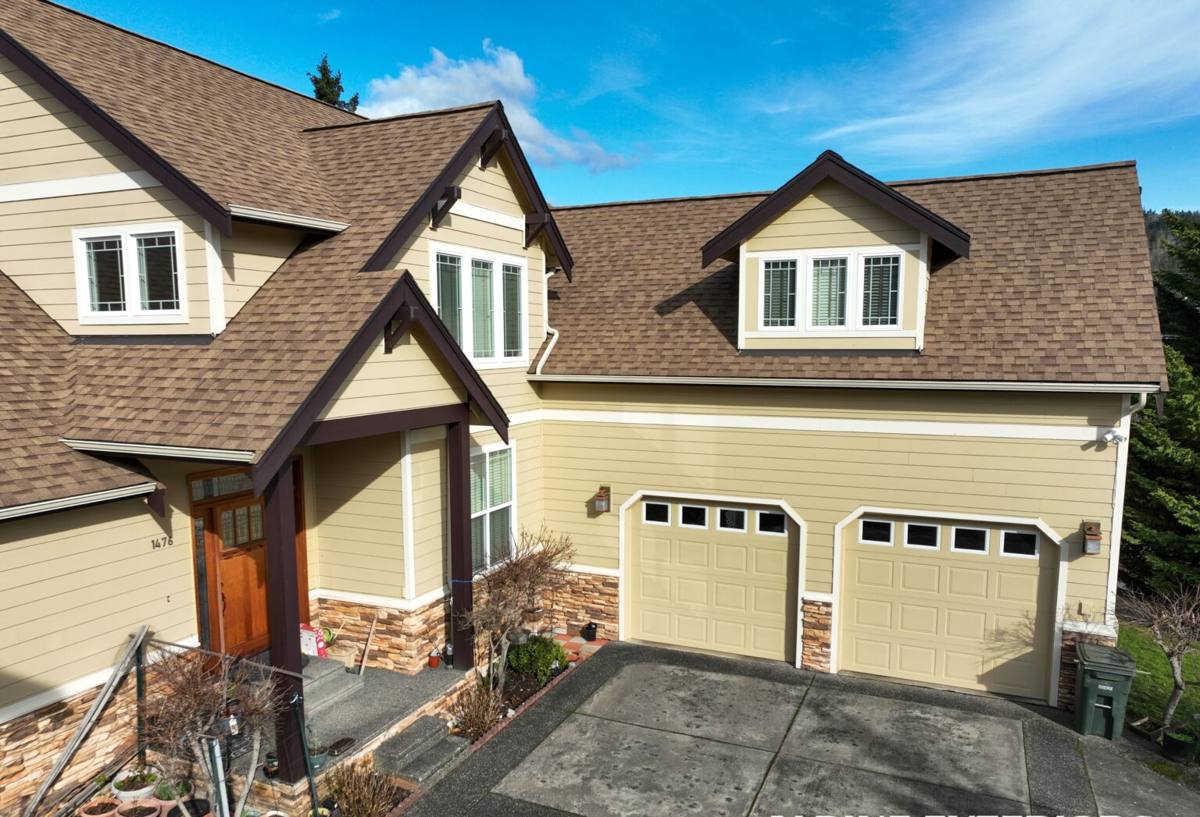
What This Climate Does to an Asphalt Shingle Roof
Wind-Driven Rain
Rain that comes in sideways finds weak points a straight-down rain never would — under-lapped shingle courses, poorly sealed nail heads, and flashing that was cut a little short. Over time, wind-driven rain works moisture up and under shingle tabs, especially at eaves, rakes, and anywhere two roof planes meet.
A Long Moss Season
Between the tree cover common around Deming and the number of overcast, damp days Whatcom County sees through fall, winter, and spring, moss and algae get a long runway to establish themselves. Moss isn't just cosmetic — its root structure lifts shingle edges as it grows, and a mat of moss holds water against the shingle surface far longer than bare granules would, accelerating wear underneath.
Salt-Influenced Air
Even away from the immediate coastline, the broader region's air carries a degree of salt and moisture that contributes to faster breakdown of exposed metal — flashing, fasteners, and vent components — if those pieces aren't corrosion-resistant to begin with. It's a slower effect than moss, but it adds up over a roof's lifespan.
What a Correct Installation Actually Involves
A shingle roof lives or dies on the details underneath it, not just the shingle brand on top. For a Deming home, we pay particular attention to a few areas that matter more here than they would in a drier climate.
Deck and Underlayment
We check the roof deck for soft spots or delamination before anything goes down — a shingle roof is only as good as the surface it's fastened to. Over that deck, a synthetic underlayment goes down as the primary water barrier, and in vulnerable areas — eaves, valleys, and around penetrations — we add self-adhered ice and water shield for a second layer of protection where wind-driven rain and ice-dam moisture are most likely to find a gap.
Ventilation
Balanced intake and exhaust ventilation keeps the underside of the roof deck dry and at a stable temperature. In a damp climate like this one, poor ventilation traps moisture in the attic, which can lead to condensation, rot, and premature shingle failure from underneath — a problem that has nothing to do with the shingles themselves and everything to do with what's happening below them.
Flashing and Penetrations
Every place a roof plane changes direction, or a vent, chimney, or skylight passes through it, is a place water is trying to get in. We use corrosion-resistant metal flashing, properly lapped and sealed, at valleys, sidewalls, chimneys, and every roof penetration. This is the single most common place we find failures on older Deming roofs during inspections — not the field shingles, but the flashing that was cut corners on originally.
Fastening and Sealing
Shingles are nailed according to the manufacturer's pattern and wind-rating requirements, not guesswork — under-nailing or high-nailing both void warranties and invite exactly the kind of wind-driven-rain intrusion this area is prone to. Starter strips and hip/ridge caps get the same attention, since these are the pieces most exposed to uplift in a storm.
Choosing Shingles for a Damp, Shaded Climate
Not every asphalt shingle product performs the same way once it's dealing with years of shade, moisture, and moss pressure. We steer Deming homeowners toward products with algae-resistant (AR) granules as a baseline, and we'll walk through the tier options honestly rather than pushing whatever has the best margin.
| Shingle Type | Typical Lifespan | Moss/Algae Resistance | Wind Rating |
|---|---|---|---|
| 3-Tab (standard) | 15-20 years | Lower unless AR-treated | Good, lower ceiling |
| Architectural / Dimensional | 25-30 years | Better with AR granules | Higher, storm-rated options available |
| Premium/Designer | 30+ years | Best AR formulations | Highest tier available |
For most Deming properties, especially those with tree cover or a north-facing slope that stays shaded, we recommend at minimum an architectural shingle with algae-resistant granules. The upfront cost difference over a basic 3-tab is modest compared to the added years of service and reduced moss pressure over the roof's life.
Signs a Deming Roof Needs Attention
Because moss and moisture damage build slowly, many homeowners don't notice a problem until it's already inside the attic. Worth checking for, or having us check for, on a regular basis:
- Moss visible along ridges, in valleys, or on the north-facing slope
- Granules collecting in gutters or at the base of downspouts
- Shingle edges that look curled, cupped, or lifted
- Dark streaking or staining across the shingle field
- Soft or spongy spots when the roof is walked
- Daylight visible through the roof deck from inside the attic
- Water stains on interior ceilings, especially after a windy storm
- Flashing that looks rusted, bent, or separated from the roof plane
Any one of these on its own isn't necessarily an emergency, but they're worth a professional look before the next wet season rather than after.
How Our Process Works
We keep the process straightforward and give homeowners real information at each step, not a sales script.
1. On-Site Inspection
We walk the roof, check the attic where accessible, and look specifically at the areas that fail first in this climate — valleys, flashing, ventilation, and any shaded sections showing moss growth.
2. Honest Estimate
You get a clear written estimate that spells out material choice, scope of work, and what's included — tear-off, disposal, underlayment upgrades, flashing replacement, and ventilation work if needed. No pressure to decide on the spot.
3. Installation
We protect landscaping and gutters, tear off and dispose of old roofing, address any deck issues found underneath, and install the new system to manufacturer specifications so the warranty stays intact.
4. Cleanup and Walkthrough
We do a magnetic nail sweep, clean up debris, and walk the finished roof with you so you know exactly what was done and what maintenance, if any, we'd recommend going forward.
What Affects the Cost
Every roof is different, so we don't quote a number without seeing the job, but these are the main factors that move price up or down:
| Factor | Why It Matters |
|---|---|
| Roof size and pitch | Steeper roofs take longer and need more safety equipment |
| Layers to remove | Tear-off of multiple existing layers adds labor and disposal cost |
| Deck condition | Rotted or soft decking found underneath needs repair before shingles go down |
| Shingle tier | 3-tab vs. architectural vs. premium changes material cost per square |
| Flashing and ventilation scope | Full flashing replacement and added ventilation cost more than reusing sound existing components |
| Roof complexity | Valleys, dormers, and multiple penetrations add labor time |
Living With Moss: What Ongoing Care Looks Like
A well-installed roof with the right shingle still benefits from periodic upkeep in a climate that grows moss this readily. We recommend a light annual check — clearing debris from valleys and gutters, confirming moss hasn't re-established on shaded slopes, and treating early growth before it has a chance to lift shingle edges. Zinc or copper strips near the ridge can help suppress regrowth between cleanings on roofs that are especially prone to it. None of this needs to be a major undertaking, but skipping it entirely is how a 30-year shingle ends up needing early attention at year 15.
Why a Local, Experienced Crew Matters
A roofing crew that only occasionally works this part of Whatcom County will install a shingle roof to code and call it done. A crew that works Deming and the surrounding Lynden area regularly knows which slopes hold moss the longest, which valley details tend to fail first in wind-driven storms, and which manufacturer products actually hold up under this specific mix of shade, moisture, and salt-influenced air over years — not just on a spec sheet. That local pattern recognition is what separates a roof that looks right on installation day from one that's still performing correctly a decade later.
If you're weighing a roof replacement or want a straight answer on whether your current roof needs repair or is nearing the end of its service life, we're glad to take a look. Reach out for a free, no-pressure estimate — we'll give you honest options for your Deming home, not just an upsell.