 Lynden Siding
 Blaine's Climate Asks More of a Shingle Roof Than People Expect
Blaine sits right on Semiahmoo Bay, at the edge of Drayton Harbor, which means salt-laden air moves across local roofs almost year-round. Add in Whatcom County's marine rain pattern — long, steady, driving rain rather than short thunderstorm bursts — and the heavy tree shade found on many lots in and around Blaine, and you get a roofing environment that's genuinely tougher on asphalt shingles than a typical inland install. A roof that would hold up fine in a drier, more open location can wear out early here if it wasn't built with these specific conditions in mind.
We run our crew out of Lynden, about fifteen miles inland, so we see the contrast directly. The same shingle, installed the same way, ages differently on a shaded, salt-exposed Blaine roof than it does on a Lynden roof further from the water. That difference is exactly why this page exists — asphalt shingle roofing done right in Blaine isn't identical to asphalt shingle roofing done right everywhere else in Whatcom County.
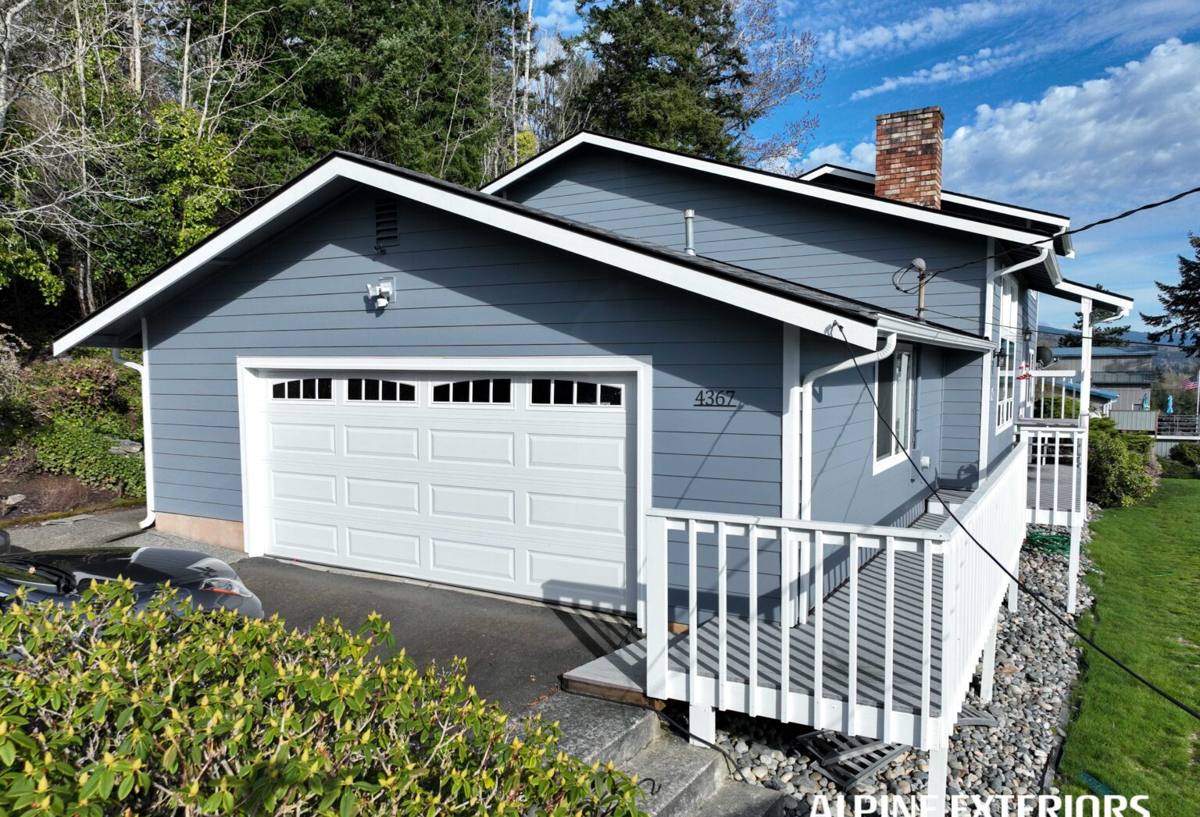
What Salt Air, Rain, and Moss Actually Do to a Roof
Salt Air and Metal Fatigue
Salt-carrying air corrodes exposed metal faster than it corrodes metal further from the water. On a roof, that means drip edge, step flashing, valley metal, and exposed fasteners are all at risk of premature rust if they're not rated for a coastal-adjacent environment. Once flashing starts to corrode, it stops shedding water cleanly, and that's when leaks start showing up around chimneys, skylights, and roof-to-wall transitions — often well before the shingles themselves are worn out.
Driving Rain and Wind-Driven Water
Storms coming off the water tend to push rain sideways rather than straight down. That matters because a shingle roof is designed to shed water moving downhill, not water being driven horizontally under laps and around fasteners. Underlayment coverage, valley construction, and fastener placement all need to account for that wind-driven pattern, not just average rainfall totals.
Shade, Moisture, and Moss
Blaine's tree cover keeps roofs damp longer after rain than an open, sun-exposed roof would be. Moss thrives in that combination of shade and moisture, and once it establishes itself on a shingle roof, it does real damage — not just cosmetic. Moss holds water against the shingle surface, lifts tab edges as it grows, and works its way under the granule layer, all of which shortens the roof's usable life. A moss-covered roof isn't just an eyesore; it's a roof aging faster than it should.
What a Correctly Installed Roof Needs Here
A shingle roof built for Blaine's conditions differs from a standard install in a handful of specific, practical ways:
- Extended ice-and-water shield coverage along eaves, valleys, and around every penetration — not just the code minimum — given how much sustained rain the roof will see
- Corrosion-resistant flashing and fasteners, chosen with the salt-air exposure in mind rather than the cheapest standard-grade option
- A full, correct nailing pattern that holds up under wind gusts coming off the bay, instead of the reduced fastener counts some crews use to save time
- Balanced attic ventilation — proper intake at the eaves and exhaust at the ridge — so moisture doesn't condense in the attic and accelerate rot or moss growth from underneath
- Algae-resistant (AR) shingle granules where the budget allows, since moss and algae pressure here is higher than average
None of this is exotic. It's a matter of matching material choices and installation details to the actual environment the roof will live in, rather than treating every job the same regardless of location.
Signs a Blaine Roof Needs Attention
Because of the moss and moisture factors described above, roofs in this area often show trouble signs earlier or differently than a typical inland roof. Worth checking for:
- Moss or dark streaking concentrated on shaded slopes, especially north-facing ones
- Lifted or curling shingle tabs, particularly where moss has taken hold
- Rust staining below flashing at chimneys, skylights, or sidewalls
- Granules collecting in gutters after normal rain, not just after a storm
- Soft spots or discoloration on interior ceilings near exterior walls or valleys
- Daylight visible through the attic at the ridge or eaves
Any one of these on its own isn't necessarily an emergency, but a roof showing two or three of them together is worth a proper inspection before the next wet season.
Our Asphalt Shingle Roofing Process
Inspection and Assessment
We start by getting on the roof, not just looking at it from the ground. That means checking the deck condition, flashing, ventilation, and the extent of moss or granule loss before we ever quote a project. In Blaine specifically, we're also checking how much of the roof sits in shade and how exposed it is to wind off the water, since both affect what the roof actually needs.
Tear-Off and Deck Prep
A new layer of shingles is only as good as the deck underneath it. We remove the old roofing down to the sheathing, check for soft or rotted spots — more common under roofs that have carried moss for years — and repair or replace any damaged decking before moving forward.
Underlayment and Flashing
This is where a Blaine-appropriate roof is built or missed. We install extended ice-and-water membrane in the high-exposure areas, synthetic underlayment across the field, and new corrosion-resistant flashing at every valley, wall, and penetration. We don't reuse old flashing just because it looks intact — flashing that's already showing early corrosion won't hold up for the life of a new roof.
Shingle Installation
Shingles go down with a full, manufacturer-correct nailing pattern and proper starter course, which matters more here given wind exposure off the bay. Ridge and hip caps are installed to shed wind-driven rain, not just rain falling straight down.
Cleanup and Final Walkthrough
We clear debris and old materials from the property, check gutters and downspouts for roofing debris, and walk the finished roof with the homeowner so they know what was done and what to watch for going forward.
Shingle Options and What Drives Cost
Most Blaine homeowners are choosing between a few standard tiers of asphalt shingle. The right choice depends on budget, how much shade and moss exposure the roof gets, and how long you plan to stay in the home.
| Shingle Type | Typical Lifespan | Best Fit for Blaine Conditions |
|---|---|---|
| 3-tab shingles | 15-20 years | Budget-conscious jobs on less shaded, less exposed slopes |
| Architectural (dimensional) | 25-30 years | Most Blaine homes — better wind resistance and thicker profile |
| Algae-resistant (AR) architectural | 25-30 years | Heavily shaded lots or roofs with a history of moss |
| Impact-rated shingles | 25-30+ years | Homes wanting extra durability and possible insurance credit |
Beyond the shingle itself, the biggest cost drivers on any given job are roof pitch and complexity (valleys, dormers, chimneys), how many layers of old roofing need to come off, the condition of the decking once we open it up, and how much flashing and ventilation work is needed to bring the roof up to a proper standard rather than a bare minimum one.
Where We Won't Cut Corners
There are a few shortcuts we simply don't take, and it's worth explaining why rather than just saying we avoid them:
- Installing over an existing layer of shingles. It's faster and cheaper, but it traps moisture, hides deck problems, and voids most manufacturer warranties — a bad trade for a roof that already has to fight salt air and moss.
- Reduced fastener counts. Fewer nails per shingle saves labor time but weakens wind resistance right when wind off the bay is one of the bigger stresses this roof will face.
- Skipping extended ice-and-water shield. Code minimums exist as a floor, not a target — a roof taking on this much sustained rain needs more coverage in the eaves and valleys than the minimum requires.
- Reusing old flashing. Flashing is one of the cheapest parts of a roofing job and one of the most common leak points. Replacing it is a small cost against a large risk.
These aren't judgments about other contractors' work — they're the standard we hold our own installs to, because we've seen what happens to a roof in this specific climate when any of these steps get skipped.
Ventilation and Moss Control Over the Long Term
A new roof's first line of defense against moss is proper attic ventilation. Balanced intake and exhaust keeps the underside of the roof deck drier, which slows the conditions moss needs to establish. On top of that, AR granules and light routine maintenance — clearing debris off shaded slopes, keeping gutters clear so water doesn't sit against the roof edge, and addressing moss with a gentle, non-damaging treatment rather than aggressive pressure washing — go a long way toward extending the roof's actual service life in a place like Blaine.
Why a Crew That Already Works Blaine Matters
Roofing crews that mostly work drier, more open areas don't always account for salt air or heavy shade as a matter of course — it's just not what they see day to day. We work throughout Whatcom County out of our Lynden base, which means we're already familiar with how Blaine's coastal exposure and tree cover affect a roof's real-world performance, not just its spec sheet. That shows up in the material choices we default to, the flashing details we don't skip, and our ability to respond quickly if a storm causes damage that needs a tarp or emergency repair before it can wait for a full appointment.
Maintenance After Your New Roof Is Installed
A properly installed roof still benefits from basic upkeep, especially in this climate:
- Have gutters checked and cleared at least twice a year, more often under heavy tree cover
- Look for early moss growth on shaded slopes each fall before wet season sets in
- Schedule a walk-through inspection every few years, or after any major windstorm
- Address small flashing or sealant issues promptly rather than waiting for a leak to appear inside
None of this requires a large ongoing investment — it's mostly about catching small issues before Blaine's rain and moss season turns them into bigger ones.
If you're weighing a repair against a full replacement, or just want an honest read on what your roof actually needs, we're happy to take a look. Our estimates are free and there's no pressure to commit — use the form below to get started.