 Lynden Siding
 Windows in Acme's Wooded, Wet Microclimate
Acme sits in a rural pocket of Whatcom County where wooded lots, tree canopy, and proximity to the Nooksack River valley combine to keep homes shaded and damp longer than properties out in the open. That shade is part of what makes the area appealing, but it also means siding, trim, and window frames here dry out slower after every storm. Add in the marine-influenced weather that moves through the broader Puget Sound region — carrying moisture and, closer to the water, salt-laden air that speeds up corrosion on hardware and fasteners county-wide — and you get a climate that is genuinely hard on window assemblies. Wood sashes swell and stick. Vinyl frames chalk and lose their seal integrity years before the manufacturer's warranty runs out if they weren't installed correctly. And in shaded yards, moss and algae take hold on sills and lower sashes in a way that sunnier lots in town rarely see.
None of this means windows fail faster in Acme out of bad luck. It means the installation has to account for slower drying, more standing moisture at sills and corners, and a longer moss season than a lot of general contractors plan for.
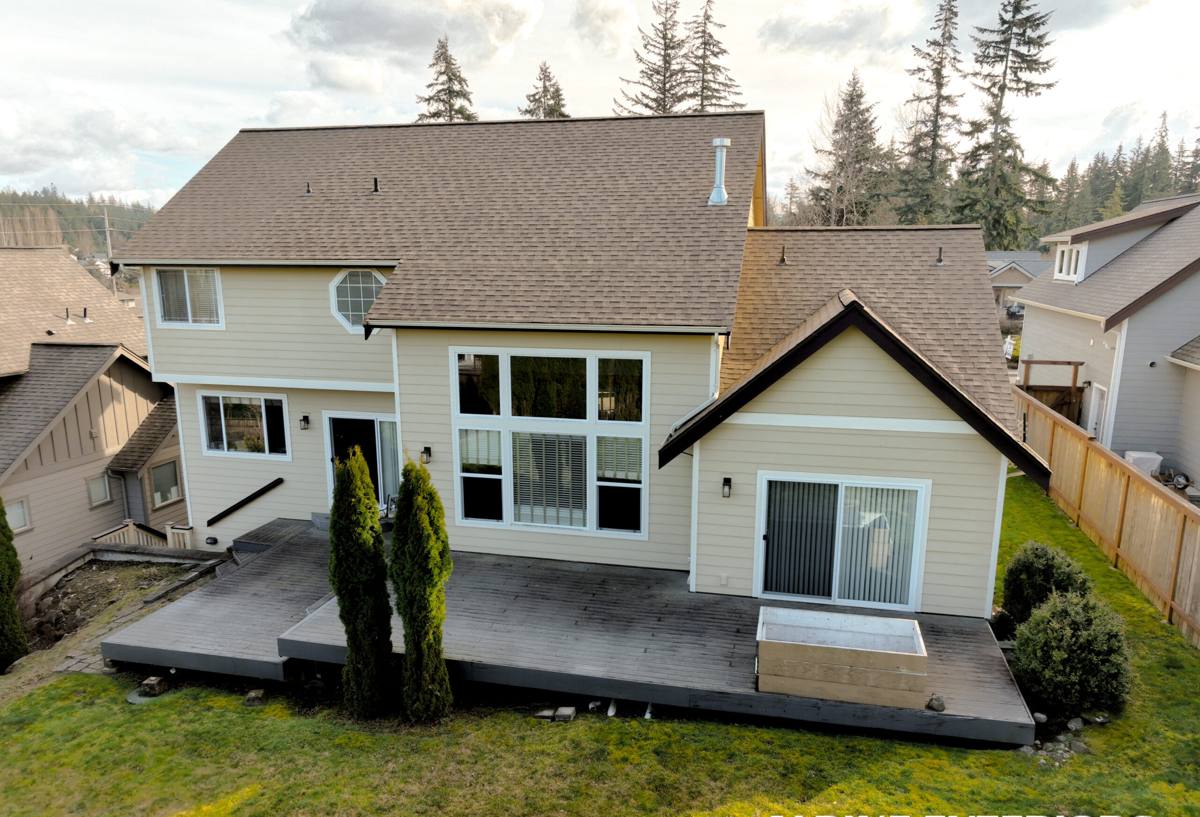
Signs Your Acme Home's Windows Are Ready for Replacement
Older homes on wooded lots often show window trouble before it's visible from the street. Walk your window line and check for these before deciding whether you're looking at a repair or a full replacement:
- Soft or spongy wood at the sill, especially on the shaded or north-facing side of the house
- Moss or green growth building up in the corners of the frame or on the exterior sill, not just on the roof or siding
- Visible daylight or a noticeable draft around the sash when the window is closed and locked
- Fogging or moisture trapped between panes on double-pane units — a sign the seal has failed
- Paint that keeps bubbling or peeling on the frame no matter how often it's touched up
- Windows that are difficult to open, close, or lock, particularly wood or older aluminum units
- Cold spots or condensation on the interior glass or frame during winter mornings
One or two of these might mean a repair is enough. Several at once, especially rot at the sill, usually means the frame has been taking on water for a while and replacement is the more honest recommendation.
What a Correct Window Replacement Job Actually Involves
Swapping a window is easy to do poorly and easy to make look fine for the first year. The difference shows up two or three wet seasons later. Here's what we treat as non-negotiable.
Removal and Framing Inspection
Every old window comes out fully so we can see the rough opening underneath — not just the visible trim. This is where hidden problems live: soft framing, old insulation that's gone damp and lost its R-value, or a sill that's been quietly rotting behind trim that looked fine from outside. On wooded Acme lots, we see this more often than on drier, more exposed sites in town, simply because moisture has more time to sit before it evaporates. Any compromised framing gets addressed before a new window goes in — installing a new unit into a bad opening just moves the problem down the road.
Flashing and Water Management
This is the single most important part of the job and the part that's easiest to skip if a crew is rushing. A correct install uses sill pan flashing to direct any water that gets past the window back out and away from the framing, plus properly lapped flashing tape at the jambs and head so water sheds down and over each layer, never behind it. In an area that sees sustained driving rain, a flashing detail done out of order is the kind of mistake that doesn't show up until the wall cavity is already wet.
Sealing, Insulation, and Air Sealing
Gaps around the new frame get filled with low-expansion foam or backer rod and sealant, not just caulked at the surface. This matters for two reasons: it stops drafts and energy loss, and it keeps humid air from migrating into the wall cavity where it can condense and feed mold or rot. Exterior sealant joints are tooled properly so they shed water instead of holding it against the frame.
Choosing the Right Window for an Acme Property
Frame material matters more here than in a lot of other parts of the state, because the material has to hold up to consistent moisture exposure and shaded, slow-drying conditions.
| Frame Material | Moisture Performance | Maintenance in a Moss Climate | General Cost Tier |
|---|---|---|---|
| Vinyl | Won't rot; performs well if installed with proper drainage | Low — occasional rinse to keep sills clear of algae | Lower |
| Fiberglass | Excellent — dimensionally stable, resists warping in wet-dry cycles | Low | Higher |
| Clad-Wood (wood interior, metal/composite exterior) | Good on the exterior face; interior wood still needs a dry, sealed environment | Moderate — exterior clad protects the wood, but seals need periodic inspection | Highest |
| Bare Wood | Poor to fair without diligent upkeep — most exposed to rot on shaded lots | High — repainting and sealing on a regular schedule | Mid to High |
| Aluminum (older stock) | Fair — doesn't rot but conducts cold and can corrode near marine air over time | Low, but prone to condensation issues | Lower (legacy) |
We don't push bare wood replacements on shaded Acme lots as a rule, not because wood is a bad material everywhere, but because it demands upkeep that's genuinely hard to keep up with under tree cover where surfaces stay damp longer. Vinyl and fiberglass carry that reality much better with far less maintenance burden, and clad-wood is a reasonable middle ground for homeowners who want a wood interior look with better exterior durability.
Performance Ratings That Matter in Whatcom County's Climate
Whatcom County's climate is heating-dominated more than it's about extreme heat, so a few numbers matter more than others when you're comparing quotes:
- U-Factor: Lower is better for heat retention through our long, damp winters — this has more day-to-day impact on comfort and heating bills than solar heat gain here.
- Air Leakage Rating: A tighter rating means fewer drafts and less moist outside air working its way into wall cavities around the frame.
- Condensation Resistance: A higher rating means less interior fogging on cold mornings, which also means less moisture sitting on your sills and sashes long-term.
Solar Heat Gain Coefficient (SHGC) matters less on shaded Acme lots than it does on an open, south-facing property in town — trees are already doing some of that work for you.
Our Window Replacement Process
- On-site assessment — we look at every window opening, check for rot or moisture damage at the sill and framing, and measure precisely rather than assuming standard sizes, since older Acme-area homes often have non-standard rough openings.
- Product selection — we walk through frame material, glass package, and performance ratings based on your home's exposure, budget, and how the window sits relative to tree cover and prevailing weather.
- Removal and inspection — old units come out fully so we can evaluate and, if needed, repair the framing underneath before anything new goes in.
- Installation with proper flashing — sill pans, lapped flashing tape, and correctly sequenced water management details, not just a caulk bead around the trim.
- Sealing and insulation — low-expansion foam or backer rod at the frame gap, tooled exterior sealant, and clean interior finish work.
- Siding and trim integration — trim and siding are reset and sealed cleanly against the new frame so the whole assembly sheds water as one system, not a window installed independently of the wall around it.
- Walkthrough and cleanup — we confirm every window operates properly, locks correctly, and the site is left clean.
Cost Factors for Window Replacement in Acme
Every home is different, and we're not going to quote a number without seeing your windows in person, but the honest cost drivers are usually the same handful of things:
| Factor | Why It Moves the Price |
|---|---|
| Frame material chosen | Vinyl, fiberglass, and clad-wood carry different material and warranty costs |
| Condition of the existing opening | Rotted framing found during removal adds repair work before installation can proceed |
| Number and size of windows | Larger openings and picture windows cost more in both material and labor than standard operable sashes |
| Access and site conditions | Wooded lots, second-story windows, or limited driveway access can add labor time |
| Trim and siding integration | Matching or replacing exterior trim to properly re-flash and seal adds scope beyond the window unit itself |
Broadly, straightforward standard-size replacements sit at the lower end of what you'd expect for quality vinyl or fiberglass units, while larger openings, custom sizes, or jobs that uncover framing repairs run higher. We'll give you a clear, itemized number after we've actually looked at your windows — not a phone-quote guess.
Why Hire a Crew That Already Works in Acme
A lot of window crews are comfortable with newer, standard-size construction in town but aren't as familiar with the older farmhouses and custom-built homes scattered through Acme's more rural stretches, where rough openings don't always match modern standard sizes. Knowing that going in — rather than discovering it mid-install — keeps a job on schedule instead of turning into a change order.
There's also a practical side to working this area regularly: knowing which Whatcom County permitting requirements apply to unincorporated areas versus inside Lynden city limits, having existing relationships with suppliers so custom sizes don't sit on backorder longer than necessary, and understanding how shaded, wooded lots behave differently than open ones when it comes to moisture and drying time after the flashing goes in. That familiarity is the difference between a crew that's guessing and one that's already accounted for it.
Maintaining New Windows Through Moss Season
A correctly installed window still benefits from basic upkeep, especially under tree cover. A yearly rinse of sills and tracks clears moss and algae before it can hold moisture against the frame. Keeping gutters and downspouts clear reduces the amount of water sheeting past windows during heavy rain. And a quick visual check each fall — before the wettest stretch of the year sets in — for any new gaps, soft spots, or failed sealant joints catches small problems while they're still small. None of that requires a professional visit; it just takes a few minutes and a garden hose.
If you're weighing repair versus replacement for windows in Acme, or you're ready to move forward, we're happy to take a look and give you a straightforward, no-pressure estimate — just fill out the form below.