 Lynden Siding
 Decks in Everson Take a Different Kind of Beating
Everson sits close enough to the Nooksack River bottomland and open farm fields that a deck here deals with more standing moisture than a deck tucked into a sheltered Bellingham neighborhood. Add in the marine-influenced air that rolls up from Puget Sound and Whatcom County's long, gray stretch of fall-through-spring rain, and you've got a recipe for decks that look fine on the surface while quietly rotting underneath. We've replaced enough decks in and around Everson to know the failure pattern is almost always the same: it starts where wood stays wet longest, not where it looks worst.
A deck replacement done right for this area isn't just swapping old boards for new ones. It's rethinking drainage, fastener choice, and ledger flashing so the next deck doesn't fail the same way the last one did.
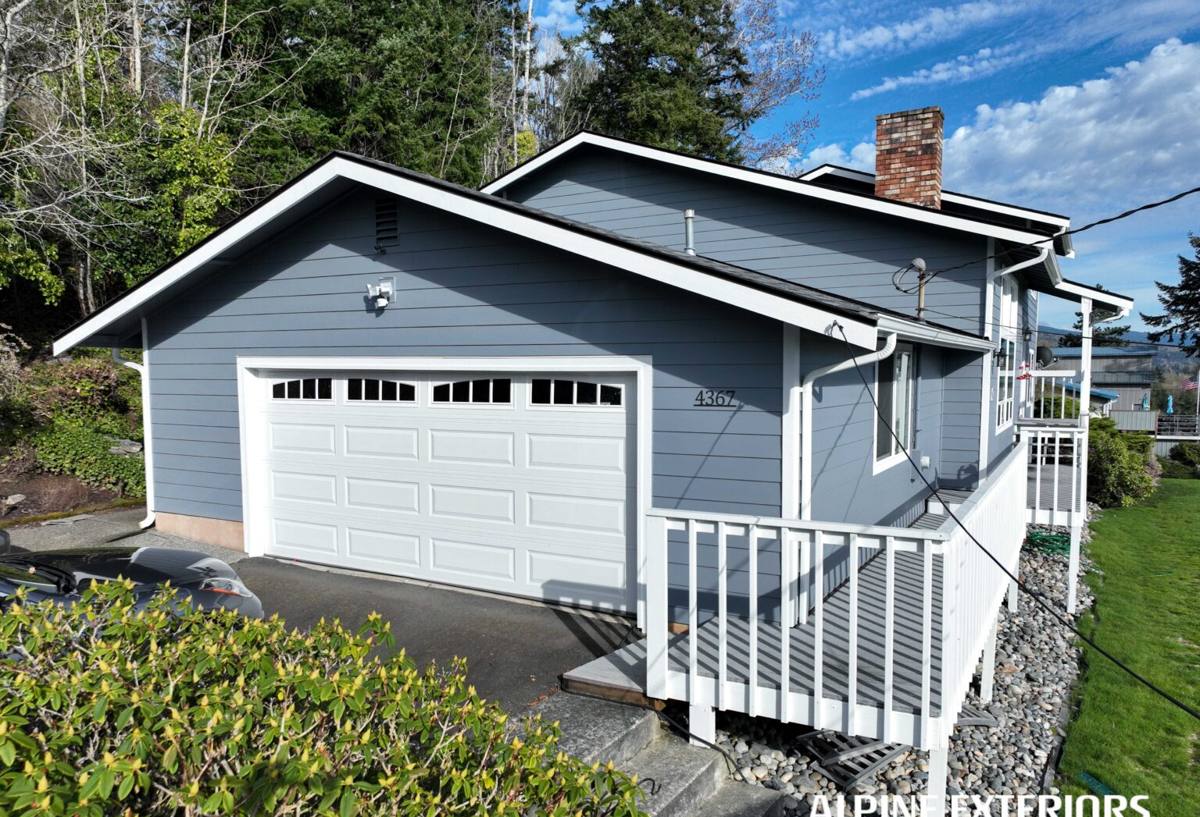
What the Local Climate Actually Does to a Deck
Salt Air and Metal Fatigue
Even well inland from the coast, Whatcom County gets enough salt-tinged marine air that untreated or poorly coated fasteners, joist hangers, and railing hardware corrode faster than manufacturers' generic ratings suggest. We see this most on older decks built with standard galvanized hardware instead of a coating rated for coastal exposure. Once a joist hanger starts rusting, it loses grip on the nails long before it looks structurally alarming.
Driving Rain and Ledger Rot
Wind-driven rain doesn't fall straight down — it gets pushed sideways into the gap between a deck board and the house, and into the ledger board connection where the deck attaches to the structure. This is the single most common place we find hidden rot on Everson decks: a ledger board that was never properly flashed, sitting wet against the house rim joist for years.
Moss Season and Surface Decay
Whatcom County's moss season runs long — often eight months or more on a shaded or north-facing deck. Moss and algae hold moisture against the wood surface, and on horizontal decking that moisture works its way into every screw hole and board gap. It also makes the deck surface slick and genuinely dangerous underfoot, which is a safety issue as much as a cosmetic one.
Signs an Everson Deck Needs Replacement, Not Just Repair
- Soft or spongy spots when you walk across the decking, especially near the house or stairs
- Visible gaps, cracking, or crumbling where the ledger board meets the house siding
- Rust streaks bleeding out from joist hangers, bolts, or screw heads
- Persistent moss or black staining that returns within weeks of cleaning
- A railing that flexes or wiggles when you lean on it
- Deck posts sitting directly on soil or on a footing that's visibly heaved or settled
- The deck is more than 15-20 years old and has never had structural hardware upgraded
Any one of these can sometimes be repaired in isolation. When two or three show up together, it usually means the underlying structure — not just the surface boards — has been compromised, and a full replacement ends up being both safer and more cost-effective than chasing repairs board by board.
What a Correct Deck Replacement Actually Involves
A deck replacement worth paying for addresses the structure first and the finish second. Here's what we consider non-negotiable on every rebuild:
Ledger and Flashing
The ledger board gets a proper flashing detail — flashing that sheds water away from the house rim joist rather than letting it pool behind the deck. This is the single upgrade that prevents the most common failure we see locally.
Joists, Beams, and Hardware
All structural hardware — joist hangers, hurricane ties, bolts — gets specified for the load and exposure the deck will actually see, not just the minimum code allows. Given the marine-influenced air in this area, we lean toward hardware and fasteners with coatings rated for higher corrosion resistance.
Footings
Footings get set below frost depth and sized to the soil conditions on the lot, not assumed from a generic table. Whatcom County's clay-heavy soils in low-lying areas near Everson can shift with seasonal moisture, so undersized or shallow footings are a common reason older decks develop a lean or bounce over time.
Drainage Beneath the Deck
Grading and drainage under the deck matter as much as anything above it. Water that pools under a low deck keeps the framing perpetually damp and accelerates rot from below, where it's hardest to spot during a casual inspection.
Choosing Decking Material for This Climate
There's no single "right" decking material — it's a trade-off between upfront cost, maintenance commitment, and how the material behaves in sustained wet weather. We'll walk through the honest trade-offs rather than push whatever has the best margin.
| Material | Upfront Cost | Maintenance | How It Handles Moss/Moisture |
|---|---|---|---|
| Pressure-treated wood | Lowest | Annual cleaning, periodic sealing | Prone to moss growth and surface checking if not maintained |
| Cedar | Moderate | Regular sealing to hold color and resist rot | Naturally rot-resistant but still needs upkeep in constant damp |
| Composite decking | Higher | Occasional washing, no sealing | Resists rot well; some boards can still grow surface algae if never cleaned |
| Capped/PVC decking | Highest | Minimal — occasional washing | Best moisture resistance of the group; least hospitable surface for moss |
For a shaded or low-airflow spot in or around Everson, we usually steer homeowners toward composite or capped decking specifically because it holds up better against the long moss season without demanding constant maintenance. For a sunnier, well-drained yard, quality wood decking is still a perfectly reasonable choice if you're willing to keep up with sealing.
Our Deck Replacement Process
- On-site assessment — we inspect the existing structure, ledger, footings, and framing to see what's actually failing versus what's cosmetic.
- Honest scope and estimate — you get a clear breakdown of what needs full replacement versus what can be reused safely.
- Permitting — most deck replacements in Whatcom County require a permit, especially for decks above a certain height or attached to the house structurally. We handle that process rather than leaving it to you.
- Demolition and disposal — old decking, framing, and hardware removed and hauled off site.
- Structural rebuild — footings, framing, ledger flashing, and hardware installed to hold up under this area's rain and moisture load.
- Decking and railing installation — installed per manufacturer spacing and fastening specs so warranties stay valid.
- Final walkthrough — we go over the finished deck with you and cover basic maintenance before we leave.
Why It Matters That We Already Work in Everson
A crew that's worked decks across Everson and the greater Lynden area already knows which lots tend to hold moisture, which older neighborhoods were built with ledger flashing that doesn't meet current standards, and how the Whatcom County permitting process actually runs — not just what the code book says. That local familiarity shortens the guesswork on your project and helps avoid the delays that come from a contractor learning the area's quirks on your job site for the first time.
It also means we're not guessing about material performance in this climate — we're building on what we've already seen hold up, and what hasn't, on decks a few miles from your own.
Cost Factors Homeowners Should Know
| Factor | Why It Moves the Price |
|---|---|
| Deck size and shape | More square footage and complex angles mean more framing and cutting time |
| Decking material | Composite and capped products cost more upfront than wood |
| Height and stairs | Taller decks need deeper footings and railing that meets code; stairs add framing complexity |
| Railing style | Cable, glass, or metal railing systems cost more than standard wood balusters |
| Site access | Decks with tight access for equipment or material staging take longer to build |
| Permit requirements | Structural review and inspections add time but are required for most replacements |
We'd rather walk you through these factors on-site than quote a number blind — every lot and every existing structure is different enough that a phone estimate isn't a real estimate.
Keeping a New Deck Healthy in Everson's Climate
- Sweep off leaves and debris regularly, especially heading into fall
- Clean moss and algae off the surface at least once a year before it gets established
- Check that gutters and downspouts aren't dumping water directly onto or near the deck
- Reseal wood decking on the manufacturer's recommended schedule — don't wait for visible graying
- Look underneath the deck once a year for standing water or blocked drainage
- Tighten or replace any hardware showing early rust before it spreads
If your deck is showing any of the warning signs above, or you just want an honest read on whether it needs a rebuild, we'd be glad to take a look. Fill out the form below for a free, no-pressure estimate on your deck replacement in Everson or anywhere around the Lynden area.