 Lynden Siding
 Roof Repair Built Around What Acme-Area Homes Actually Deal With
Homes in and around the Acme community near Lynden don't fail the same way roofs do in drier parts of the country. Whatcom County weather is persistent rather than dramatic — long stretches of driving rain, heavy shade in wooded lots, and a moss season that can run most of the year in the right conditions. A roof repair here isn't just about covering a hole. It's about understanding why that spot failed in the first place and making sure the fix holds through the next wet season, not just the next dry week.
We work roofs across the greater Lynden area regularly, which means we're not guessing at how local weather behaves. We're accounting for it in every repair.
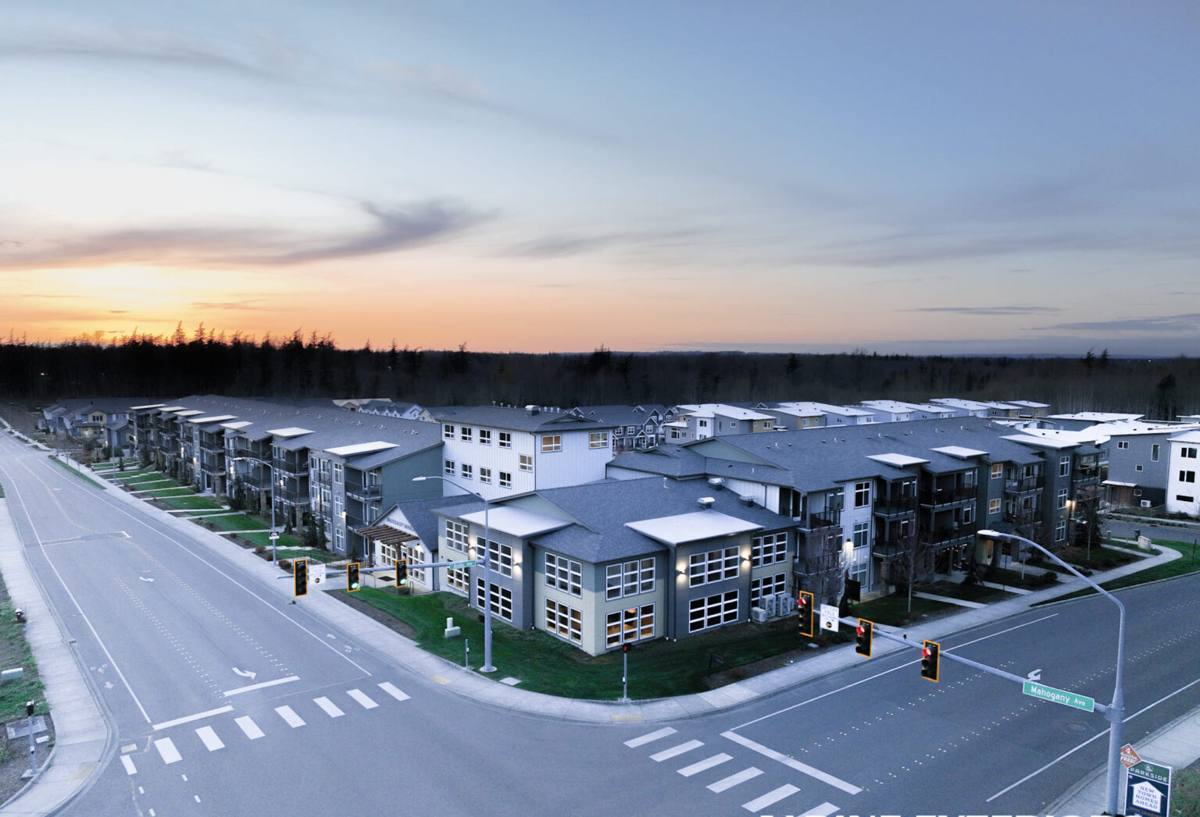
Why Local Roofs Take a Different Kind of Beating
Three things drive most of the repair calls we see out this way:
- Driving rain: Wind-driven rain doesn't just fall on a roof, it pushes sideways and upward under shingle laps, flashing edges, and vent boots that would stay dry in a straight-down rain. Repairs that don't account for wind direction tend to fail again within a season or two.
- Salt-influenced air: Proximity to Puget Sound and the Strait of Georgia means metal roofing components — nails, flashing, vent stacks, gutter hardware — corrode faster here than they would inland. A repair that reuses corroded fasteners is a repair that's already counting down to its next failure.
- A long moss season: Shaded rooflines, mild temperatures, and consistent moisture are exactly what moss needs to establish. Once it takes hold, it doesn't just sit there — it works its way under shingle tabs and holds water against the roof deck.
None of this is unique to any one property. It's the baseline for this part of Whatcom County, and it's why a repair that would hold up fine somewhere drier can come loose here in a year.
Common Repair Calls We See in the Acme and Lynden Area
Most repair requests fall into a handful of categories:
- Lifted or torn shingles after a windstorm, especially on exposed roof faces or near ridgelines
- Flashing leaks around chimneys, skylights, and roof-to-wall transitions where two materials meet
- Valley leaks where water volume concentrates during heavy rain
- Moss-related lifting along shingle edges and in shaded north-facing slopes
- Nail pops and cracked pipe boots that let water in slowly, often unnoticed until there's interior staining
- Gutter overflow damage where clogged gutters back water up under the roof edge
A lot of these show up as a small water stain on a ceiling weeks or months after the actual cause started. By the time it's visible inside, the leak has usually been active for a while.
What a Correct Roof Repair Actually Involves
Finding the Real Source, Not the Visible Symptom
Water rarely enters a roof exactly where it shows up inside. It can travel along rafters, sheathing seams, or underlayment before dripping somewhere else entirely. A repair that just patches the spot where you see a stain, without tracing the water's actual path, is a repair that's likely to leave the real entry point untouched. Correct diagnosis means getting on the roof, checking the attic side where accessible, and following the evidence — not assuming the leak is directly above the stain.
Materials That Match, Not Just Cover
Shingle color, profile, and granule wear vary by age and manufacturer. On an older roof, a repair patch that's visibly a different shade isn't just a cosmetic issue — mismatched or incompatible materials can also behave differently in wind and rain, which undermines the point of the repair. A correct job replaces underlayment where it's compromised, not just the shingles on top of it, and reflashes properly rather than relying on sealant alone to bridge a gap. Caulk and roofing cement have their place, but they're a short-term measure, not a substitute for proper flashing and shingle work.
Where the roof deck itself has taken on moisture damage — soft spots, delamination, or rot — that has to be addressed before new shingles go down. Shingling over a compromised deck just hides the problem until it's bigger and more expensive.
Moss, Moisture, and the Long-Term Health of Your Roof
Moss is more than an appearance issue. As it spreads, it holds moisture against the shingle surface far longer than the roof would otherwise stay wet, which accelerates granule loss and softens the shingle mat underneath. Left long enough, moss growth can lift shingle edges just enough for wind-driven rain to get underneath.
A few practical points worth knowing:
- Power-washing moss off is generally a bad idea — it strips protective granules along with the moss and can shorten the life of otherwise sound shingles.
- Zinc or copper control strips near the ridge can slow future moss growth as rain washes trace metal down the roof face, but they won't remove existing growth on their own.
- Keeping tree limbs trimmed back and gutters clear reduces the shade and standing debris that moss depends on.
- Moss removal during a repair should be done by hand or with soft tools, working from the ridge down, to avoid additional granule loss.
Repair or Replace? What Actually Drives That Decision
Not every damaged roof needs a full replacement, and not every leak is fixable with a simple patch. The honest answer depends on a handful of factors we walk through during an inspection:
| Factor | Favors Repair | Favors Replacement |
|---|---|---|
| Roof age | Roof is within its expected service life | Roof is at or beyond typical lifespan for its material |
| Extent of damage | Isolated to one section or feature (valley, flashing, a few shingles) | Damage is spread across multiple roof faces |
| Deck condition | Sheathing is sound underneath | Rot or soft decking found in multiple areas |
| Repair history | First or second repair on this roof | Repeated repairs to the same or nearby areas |
| Granule loss / wear | Shingles elsewhere still have good granule coverage | Widespread granule loss and brittle shingles |
We'll tell you plainly if a repair is a reasonable, durable fix versus a short-term patch on a roof that's better served by replacement. There's no benefit to us in talking someone into a bigger job than they need, and no benefit to you in patching a roof that's genuinely past its useful life.
How Our Repair Process Works
- Inspection: We get on the roof (and in the attic where accessible) to trace the actual source of the problem, not just the symptom.
- Written estimate: You get a clear explanation of what we found, what we recommend, and why — before any work starts.
- Scheduling around weather: Roof repairs need a dry work window. We plan around Whatcom County's rain patterns rather than rushing a repair in marginal conditions, which tends to compromise the seal.
- The repair itself: Proper tear-out of the damaged area, underlayment and flashing addressed as needed, matched materials, and a check of surrounding areas for related wear.
- Cleanup and walkthrough: Debris and old materials hauled off, and we walk you through what was done and what to keep an eye on going forward.
Why a Crew That Already Works Acme and Lynden Matters
Roof repair is one of those trades where local familiarity actually changes the outcome, not just the convenience. A crew that regularly works this part of Whatcom County knows what wind-driven rain does to flashing details in this climate, knows how aggressively moss establishes on shaded rooflines here, and isn't learning the region's weather patterns on your roof for the first time. That translates into fewer surprises, more accurate diagnosis, and repairs built for the conditions your roof will actually face — not generic conditions from somewhere drier.
It also means accountability. A crew working repeat business and referrals across the same local area has every reason to do the job right the first time, because a callback isn't an abstraction — it's a short drive back to a neighborhood we already know.
Roof Repair Checklist for Acme-Area Homeowners
Before you call anyone for a roof repair, it helps to have a clear picture of what you're seeing:
- Note where the leak or damage shows up inside (ceiling, wall, attic) and whether it appears during or after heavy rain specifically
- Check gutters and downspouts for clogs, sagging, or overflow marks near the roofline
- Look for visible moss patches, especially on shaded, north-facing roof slopes
- Note any recent windstorms or fallen branches around the time the issue started
- Check attic insulation and framing (if safely accessible) for staining, dampness, or mold odor
- Ask any contractor for a clear explanation of the cause, not just a description of the fix
If you're dealing with a leak, visible moss buildup, storm damage, or just want an honest read on how much life is left in your roof, we're glad to take a look. Fill out the form below for a free, no-pressure estimate — we'll tell you straight what we find and what your real options are.