 Lynden Siding
 Roofing Built for Acme's Wet, Wooded Climate
Homes in the Acme area near Lynden deal with a specific combination of weather that's harder on a roof than most homeowners realize. Whatcom County gets a lot of rain, much of it driving in sideways off the wind rather than falling straight down, which pushes water into laps and seams that a roof in a drier climate would never have to handle. Add salt-laden air moving in off the Strait and Bellingham Bay, a long, shaded moss season under heavy tree cover, and temperature swings between damp fall mornings and summer heat, and you've got a roof that's working hard twelve months a year. A roof installation done for this area needs to account for all of it — not just meet code, but actually hold up here.
This page is about one job: putting a new roof on a home in the Acme area. Not a patch, not a re-cover, a full replacement done correctly from the deck up. We'll walk through what that involves, what materials make sense for this climate, how we run the job, and what tends to drive the price up or down.
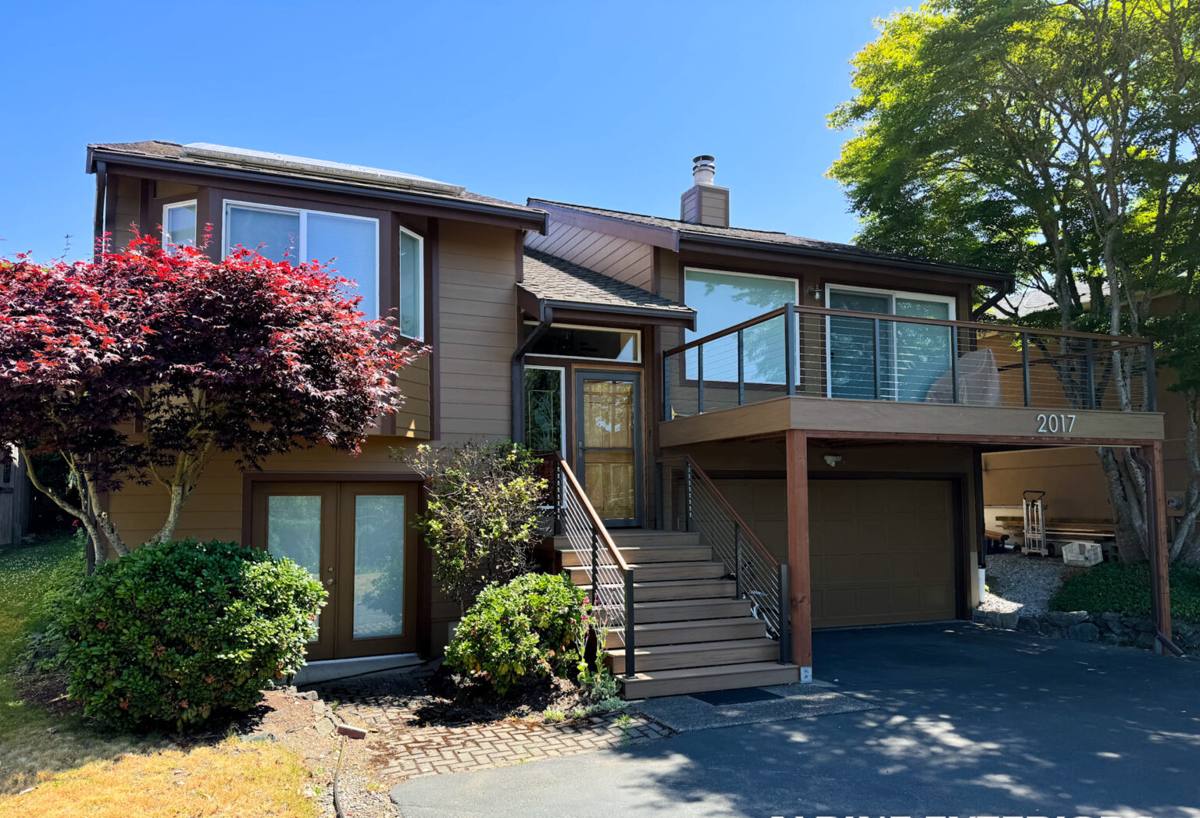
Signs Your Acme Home Needs a New Roof, Not Another Repair
A lot of roofs get patched two or three times past the point where a patch is actually the right call. Repairs make sense when the damage is isolated and the rest of the roofing system is sound. Once the underlayment is failing broadly, or the shingles are brittle and cupping across the whole field, patching just delays the same problem showing up somewhere else six months later.
- Shingles that are cracking, curling at the edges, or losing their granules in handfuls
- Daylight visible through the roof deck from inside the attic
- Soft or spongy spots when walked on, which usually means the decking underneath is compromised
- Moss and algae that keep coming back within a season or two of cleaning, even after treatment
- Water stains on interior ceilings, especially near valleys, chimneys, or skylights
- A roof that's 20+ years old, since most asphalt roofing in this climate doesn't make it much past that without significant issues
- Granules collecting in gutters after every heavy rain
If you're seeing two or more of these, it's worth having someone look at the whole system rather than just the spot that's leaking.
What a Correct New Roof Installation Actually Involves
A roof is a system, not a single layer of shingles. Skipping or shortcutting any one part of that system is usually where problems start showing up two or three winters later.
Deck Inspection and Repair
Once the old roofing is stripped off, the plywood or OSB decking underneath gets inspected. Any soft, delaminated, or water-damaged sections get replaced before anything new goes down. Installing new roofing over a compromised deck just hides the problem — it doesn't fix it.
Underlayment and Ice/Water Protection
Given how much wind-driven rain this area gets, the underlayment matters as much as the shingles themselves. Self-adhered ice and water shield belongs at eaves, valleys, and around every roof penetration — chimneys, vent stacks, skylights — because those are the spots where water finds its way in first. The rest of the deck gets a synthetic underlayment that holds up better to wind and moisture than old-style felt paper.
Ventilation
Proper intake and exhaust ventilation keeps the attic space at a consistent temperature and moisture level. Without it, moisture gets trapped under the roof deck, which accelerates rot and gives moss and mildew exactly the damp, cool environment they need to take hold — a real issue on shaded lots common around Acme.
Flashing
Flashing around chimneys, walls, skylights, and valleys is where most roof leaks actually originate, not in the open field of shingles. New step flashing, counter-flashing, and valley metal — not just caulk over the old flashing — is part of doing the job right.
Choosing a Roofing Material for This Area
There's no single "best" roofing material — it depends on the home, the budget, and how much long-term maintenance the homeowner wants to take on. Here's how the common options compare for a climate with heavy rain, moss pressure, and coastal air.
| Material | Typical Lifespan | Moss/Moisture Resistance | Maintenance |
|---|---|---|---|
| Architectural asphalt shingle | 25–30 years | Good with proper ventilation; needs periodic cleaning | Low to moderate |
| Standing seam metal | 40–60 years | Excellent — sheds water and resists moss growth on the panel surface | Low |
| Cedar shake/shingle | 20–30 years | Requires diligent upkeep in wet, shaded conditions | High |
| Synthetic/composite shingle | 30–50 years | Good; resists moisture absorption better than wood | Low to moderate |
Cedar has real visual appeal and a long history in this region, but on a shaded, damp lot it demands more upkeep than most homeowners want to commit to — regular treatment and inspection just to keep moss and rot at bay. We'll talk through the honest trade-offs for your specific roof and lot rather than push one product across the board.
Our New Roof Installation Process
- On-site inspection and estimate — we walk the roof, check the attic for ventilation and moisture issues, and give you a written estimate with no pressure to sign on the spot.
- Material selection — we go over the options above based on your budget, the home's style, and how the lot is situated (sun exposure, tree cover, wind direction).
- Scheduling around the weather — we plan installs for stretches of dry weather where possible and use proper tarping and sequencing so the home is never left exposed overnight.
- Tear-off and deck inspection — old roofing comes off completely, decking gets inspected and repaired as needed.
- Underlayment, flashing, and ventilation installation — the system described above, done to code and built for local conditions.
- Roofing material installation — installed to manufacturer specification, which matters for both performance and warranty coverage.
- Final walkthrough — we review the finished roof with you, including gutters and any trim work disturbed during the job, before calling it done.
Moss: The Long-Term Maintenance Factor for Acme Roofs
Moss isn't just cosmetic. It holds moisture against the roofing surface, works its way under shingle edges, and over time lifts and loosens them, which is exactly how small leaks start. Shaded, north-facing roof sections and areas under overhanging trees are the most common trouble spots. A few things reduce moss pressure significantly on a new roof:
- Zinc or copper strips installed near the ridge, which release trace metals that inhibit moss growth as rain washes over them
- Adequate attic ventilation, which keeps the roof deck from staying cold and damp longer than it needs to
- Keeping overhanging branches trimmed back to let more sun and airflow reach the roof surface
- Periodic gentle cleaning — not high-pressure washing, which can strip granules and shorten shingle life
None of this makes a roof moss-proof forever, but it substantially extends the time between problems and keeps a new roof looking and performing like a new roof for longer.
What Drives the Cost of a New Roof in Acme
Every roof is different, and we won't throw out a number without seeing yours — but these are the main factors that move the price up or down.
| Factor | Why It Matters |
|---|---|
| Roof size and pitch | More square footage and steeper pitches mean more material and more labor time |
| Material choice | Standing seam metal and synthetic composites cost more upfront than asphalt but need less over time |
| Deck condition | Rotted or delaminated decking found during tear-off adds material and labor to replace |
| Roof complexity | Valleys, dormers, chimneys, and skylights all add flashing work and labor hours |
| Access and site conditions | Steep lots, mature trees, and limited driveway access can affect equipment and staging |
| Ventilation upgrades | Adding or correcting intake/exhaust venting is worth the modest added cost long-term |
Broadly, a straightforward asphalt shingle replacement on an average-sized home tends to run in the lower-to-middle five figures, with metal or complex rooflines running higher. The only way to get an accurate number is a look at your specific roof.
Why It Matters to Hire a Crew That Already Works in Acme
A roofer who's used to installing in drier, milder climates doesn't always think about ice and water shield placement, moss prevention, or ventilation the same way a crew that works Whatcom County year-round does. We know what wind-driven rain does to a roof that's missing proper underlayment at the eaves, and we know what a few years of shade and moss pressure does to a roof that wasn't ventilated correctly. That's not a sales pitch — it's the difference between a roof that needs attention again in five years and one that goes the full distance of its warranty.
We're licensed and insured, we pull the required permits, and we install to manufacturer specifications so your warranty coverage actually stands behind the work. If you're in Acme, Lynden, or anywhere else in Whatcom County and thinking about a new roof, we're glad to take a look and give you a straight answer about what your roof needs — no pressure, no inflated scare tactics.
If you'd like an honest, no-pressure estimate on a new roof for your Acme-area home, fill out the form below and we'll get in touch to schedule a look at your roof.