 Lynden Siding
 Siding Built for the Lynden–Abbotsford Border Climate
Homes on both sides of the Lynden–Abbotsford border deal with a specific combination of weather that a lot of siding products simply aren't built for. You're close enough to the Salish Sea and the Fraser Valley lowlands to get real salt-tinged air on windy days, you get long stretches of driving, wind-blown rain off the water and off the mountains, and you get a moss season that can run from October clear through April. That's not a minor inconvenience — it's a slow, steady stress test on whatever material is bolted to your exterior walls. Siding replacement in this corridor needs to be planned around that reality, not around what looks good in a showroom.
We work Whatcom County homes regularly, including the Lynden side of the border where cross-border weather patterns and rural lot conditions are part of daily life. That local familiarity matters more than it sounds like it should, because the right siding decision here is different from the right decision in a dry inland climate.
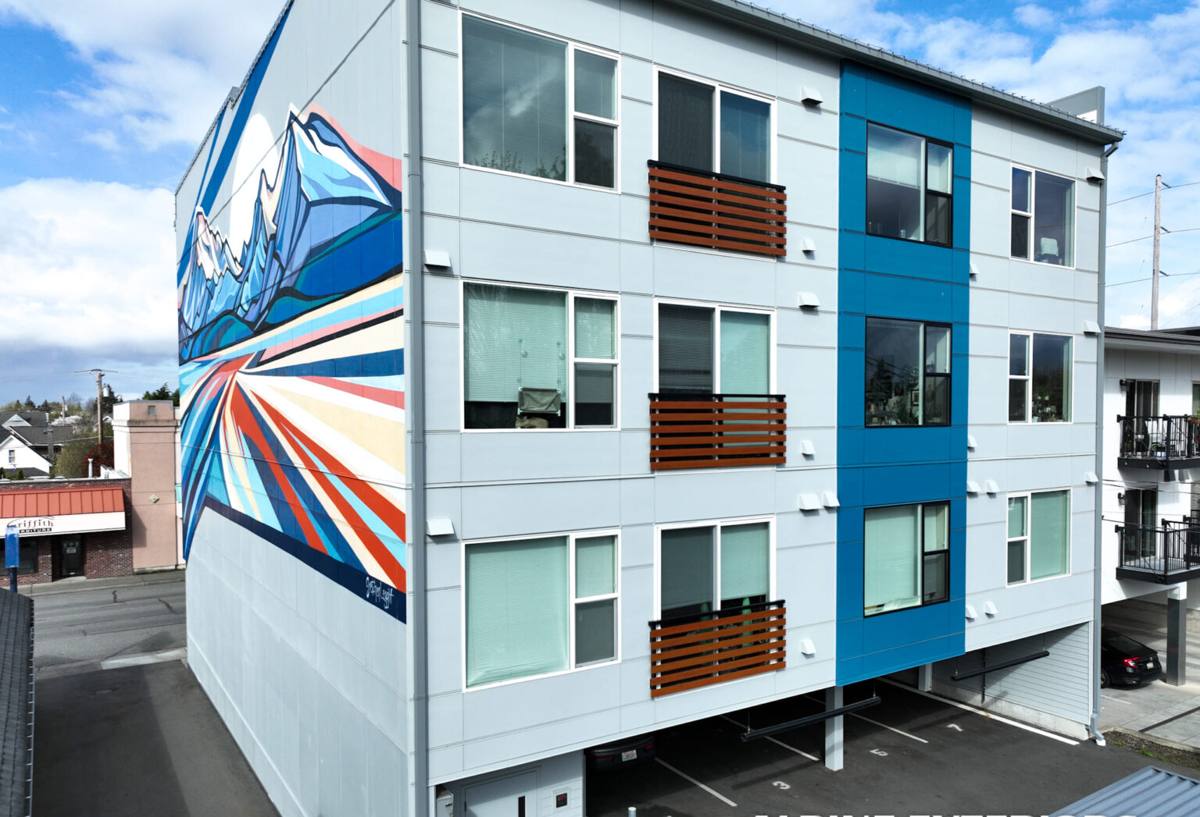
What This Climate Actually Does to Siding
Salt Air and Coastal Moisture
You don't have to live oceanfront to get salt-air exposure. Moisture carried inland on prevailing winds settles on exterior surfaces, and over years it accelerates corrosion on fasteners and trim, and it speeds up the breakdown of finishes that weren't engineered to handle it. Siding that's rated for a dry climate somewhere else in the country doesn't automatically hold up here.
Driving Rain
Rain that falls straight down is one thing. Rain that's being pushed sideways by wind — which is common in this corridor — finds every gap, every under-lapped seam, and every place where flashing was skipped or done wrong. Wall assemblies here need a real water-management plan behind the siding, not just a water-resistant face material.
The Long Moss Season
Moss and algae need shade, moisture, and time — and this region hands them all three for a good chunk of the year. North-facing walls, areas under tree cover, and anything near ground level are especially prone to green streaking and moss colonization if the siding surface and finish don't resist it. Left alone, moss holds moisture against the wall, which is exactly what you don't want happening year after year.
Why We Only Install James Hardie Fiber Cement
We made a decision as a company to install one siding system: James Hardie fiber cement. We don't install vinyl, LP SmartSide, Cemplank, Allura, primed spruce, or cedar. That's not because those products don't have a place in the market — it's because after years of exterior work in this specific climate, we don't think they hold up the way homeowners here need them to, and we'd rather stand behind one system we trust completely than offer several we have reservations about.
What Fiber Cement Gets Right for This Climate
- Non-combustible — fiber cement doesn't burn, which matters as wildfire smoke and dry-season fire risk become a bigger part of Pacific Northwest summers.
- Dimensionally stable — it doesn't expand, contract, warp, or swell with moisture cycling the way wood-based products can, which matters a lot in a climate that swings between soaked and dry.
- Factory-applied ColorPlus finish — baked-on, not job-site painted, so it resists fading and holds up better against sun and salt exposure than field-applied paint.
- Engineered for the Pacific Northwest — James Hardie makes HZ5 product specifically formulated for wetter, harsher climate zones like ours.
- Moss and algae resistance — a harder, denser surface than wood-based composites gives moss less to grip onto and less organic material to feed on.
We're honest about the trade-offs, too: fiber cement is heavier to handle, it requires specific fastening and cutting practices, and it costs more up front than vinyl. We think the long-term performance in this specific climate justifies that, but it's a real trade-off, not a marketing line.
What a Correct Siding Replacement Actually Involves
Siding replacement isn't just pulling off the old material and nailing up new panels. In a climate like this, the work that happens before the new siding goes on matters as much as the siding itself.
Tear-Off and Inspection
Once the old siding is off, we can actually see the sheathing and framing underneath. This is when hidden moisture damage, soft wood, or past water intrusion around windows and doors gets found — and it needs to get fixed before anything new goes up, not covered over.
Weather-Resistive Barrier and Flashing
A correctly installed weather-resistive barrier, properly lapped and sealed, along with correct flashing at every window, door, and roofline intersection, is what actually keeps driving rain out of the wall assembly. This layer does more long-term work than the siding face itself.
Rainscreen Considerations
Depending on the wall assembly and exposure, a rainscreen gap behind the siding gives any moisture that does get past the surface a way to drain and dry out instead of sitting against the sheathing. In a climate with this much sustained rain, that drainage path is worth taking seriously.
Fastening and Clearances
James Hardie has specific fastening patterns, nail placement, and ground-clearance requirements — and those specs exist for a reason. Cutting corners on clearance from grade or decks is one of the most common ways moss and moisture problems get built into a siding job before it's even finished.
Our Process
- On-site assessment — we look at your current siding, wall condition, exposure to wind and rain, and any moss or moisture patterns already visible.
- Honest scope and estimate — you get a clear picture of what needs to happen, including any sheathing or moisture repair, before work starts.
- Tear-off and prep — old siding removed, substrate inspected and repaired as needed, weather barrier and flashing installed correctly.
- James Hardie installation — installed to manufacturer specification for fastening, clearances, and joint treatment.
- Final walkthrough — we go over the finished work with you before we consider the job done.
Comparing Siding Options for This Climate
| Factor | Vinyl | Wood/Composite (cedar, primed spruce, LP SmartSide) | James Hardie Fiber Cement |
|---|---|---|---|
| Moisture resistance | Water can get behind panels; doesn't rot itself but doesn't manage water well | Vulnerable to swelling, rot, and moisture damage without diligent upkeep | Engineered for wet climates; resists moisture-driven damage |
| Moss/algae resistance | Moderate; can trap moisture behind panels | Lower; organic material is more prone to colonization | Higher; denser surface, factory finish |
| Fire resistance | Melts/deforms; not non-combustible | Combustible | Non-combustible |
| Finish durability | Can fade and become brittle over time | Field-applied paint needs ongoing maintenance | Factory-baked ColorPlus finish |
| Upfront cost | Lowest | Moderate | Higher, reflects longevity |
Cost Factors Homeowners Should Understand
Every home is different, so we won't quote a number without seeing the house, but the real cost drivers on a siding replacement in this area are consistent:
- Square footage and number of stories
- Condition of the sheathing underneath the existing siding (found during tear-off)
- Amount of trim, corner detail, and window/door flashing work involved
- Whether a rainscreen gap is being added
- Access — steep roof lines, tight lot lines, or limited equipment access can add labor time
- Site conditions common to rural Whatcom County lots, like longer driveways or well-established landscaping close to the house
Signs Your Siding Needs Replacing, Not Patching
- Persistent moss or green staining that comes back within a season of cleaning
- Soft or spongy spots when you press on the siding
- Visible warping, buckling, or panels pulling away from the wall
- Paint that won't hold, bubbling, or peeling repeatedly in the same spots
- Interior signs of moisture — stains, musty smell, or damage near exterior walls
- Siding that's original to a home built more than 20-25 years ago
Why Local Experience in This Corridor Matters
A crew that's used to working the Lynden and greater Whatcom County area understands the specific rhythm of this climate — when the wet season typically sets in, how moss tends to establish on north- and shade-facing walls first, and how driving rain off the water behaves differently than a straight-down summer shower elsewhere in the country. That's the kind of judgment that shows up in small decisions on a job site: where extra flashing attention goes, how tight the clearance from grade needs to be, which walls need the most careful moss-resistant detailing. It's not something you get from a crew that mostly works dry-climate jobs and treats this as a one-off.
If your home in the Lynden or Abbotsford, BC area has siding that's showing its age — or you're planning ahead before moss and moisture damage set in — we'd be glad to take a look. Reach out for a free, no-pressure estimate using the form below.