 Lynden Siding
 Siding Installation Built for the Nooksack Area
Homes in and around Nooksack sit in one of the wetter, greener corners of Whatcom County. Between the Nooksack River valley's humidity, the salt-laden air that rolls in off the Strait of Georgia and Bellingham Bay, and long stretches of driving rain through fall and winter, siding here works harder than siding almost anywhere else in the state. Add a moss and algae season that can run eight months or more, and it's easy to see why so many homes in this area show premature paint failure, swelling trim, and green-streaked walls well before the siding is actually "old."
We install siding in Nooksack and the surrounding Lynden area regularly, and we install exactly one product: James Hardie fiber cement. This page walks through what local homes actually need from a siding job here, what a correct installation involves, and how we handle the work from first estimate to final walkthrough.
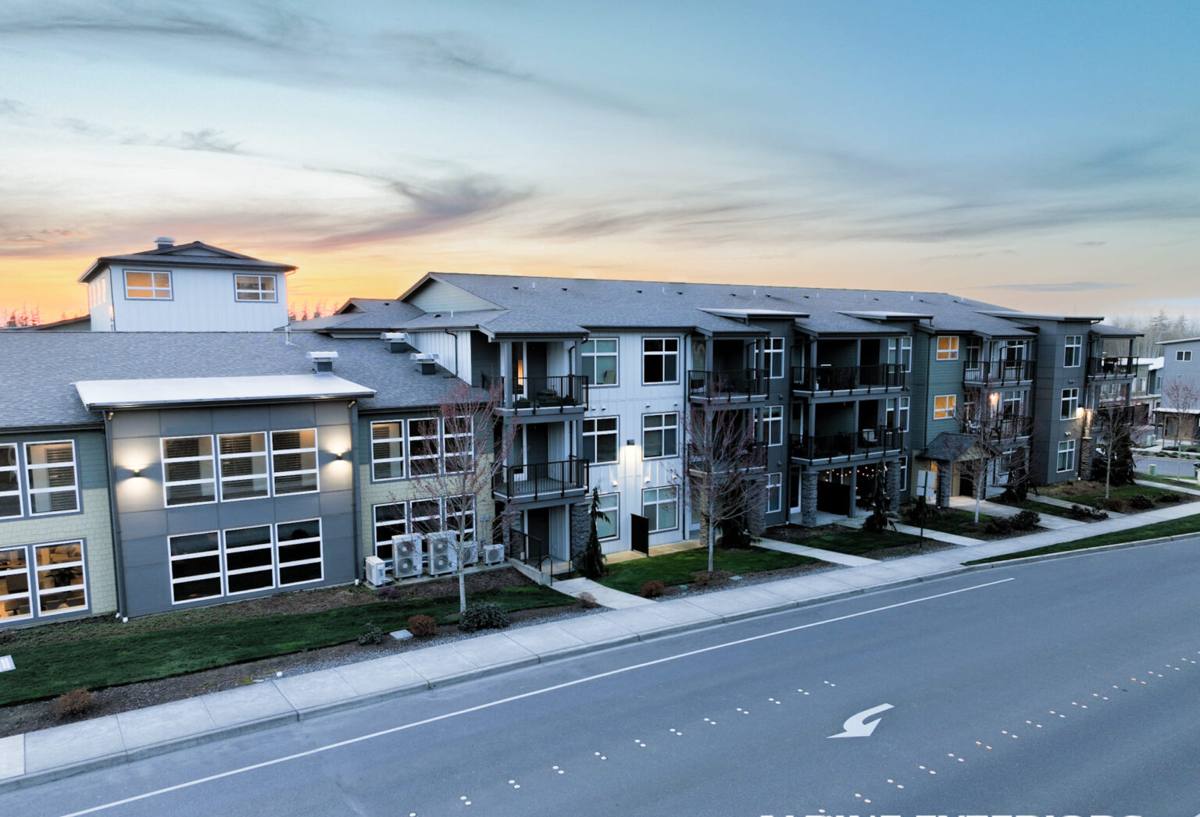
What This Climate Actually Does to Siding
It helps to be specific about what's working against a house here, because it explains almost every decision we make on the job.
Salt Air and Moisture Combined
Nooksack isn't oceanfront, but it's close enough to Bellingham Bay and the Strait that salt-bearing air reaches inland on a regular basis, especially during winter storm patterns. Salt air accelerates corrosion on fasteners, flashing, and any metal trim components, and it interacts badly with siding materials that absorb moisture — softening wood fiber, lifting paint, and feeding the corrosion cycle at every nail hole and seam.
Driving Rain
Whatcom County storms frequently come in sideways, not straight down. That means rain doesn't just land on horizontal surfaces — it gets driven up under laps, into butt joints, and around window and door trim. A siding system that isn't detailed correctly at those transition points will take on water no matter how good the siding material itself is.
Moss and Algae Season
Shaded lots near the river, tree-lined properties, and north-facing walls in this area can stay damp for most of the year. That's ideal growing conditions for moss and algae, which hold moisture against the siding surface far longer than open sun exposure would allow. Over time this constant dampness is what actually breaks down vulnerable siding materials — not one big storm, but years of low-grade saturation.
Why We Only Install James Hardie Fiber Cement
Given what this climate does to a house, the material choice matters more here than in drier parts of the state. We standardized on James Hardie fiber cement for every siding job we do, including in Nooksack, for a few specific reasons:
- It's non-combustible. Fiber cement doesn't feed a fire the way wood-based products can, which matters for insurance and long-term risk regardless of climate.
- It doesn't absorb and swell like wood-based siding. Products with wood or wood-fiber components can take on moisture at cut edges and fastener points and swell, which is a serious liability in a wet climate like this one.
- The ColorPlus factory finish resists the moss-and-algae cycle better. A baked-on factory finish holds up to repeated wet-dry cycling better than field-applied paint, which means fewer repaint cycles over the life of the siding.
- HZ5 product engineering is built for exactly this weather. Hardie's HZ5 line is formulated for wetter, colder climate zones — which is what Whatcom County is.
- The warranty is transferable and substantial when installed to spec. That protects the investment for the current owner and adds resale value.
We don't install vinyl, LP SmartSide, Cemplank, Allura, primed spruce, or cedar. That's not a knock on every homeowner who has one of those products on their house today — it's simply that after years of doing this work in this climate, fiber cement from James Hardie is the only material we're willing to put our name behind for a Nooksack-area install.
What a Correct Installation Actually Involves
The siding product is only part of the equation. Most siding failures we see in this area aren't a material problem — they're an installation problem. Water got in somewhere it shouldn't have, and the wall assembly behind the siding couldn't manage it.
Water-Resistive Barrier and Flashing First
Before a single piece of siding goes up, the wall needs a properly lapped weather-resistive barrier and correctly integrated flashing at every window, door, and penetration. In a driving-rain climate, this layer is doing as much work as the siding itself. Skipping or rushing this step is the single biggest cause of hidden rot we find when we tear off old siding in this area.
Proper Clearances
James Hardie's install specifications call for specific clearances between siding and roof lines, decks, patios, and grade. In a high-moss, high-moisture environment, these clearances aren't cosmetic — they're what keeps splashback, standing moisture, and organic growth away from the bottom edge of the siding, which is where we see the most damage on neglected installs.
Fastener Pattern and Type
Corrosion-resistant fasteners, driven correctly (not overdriven, not underdriven, in the right location on the plank), are essential near the coast. Overdriven nails crack the fiber cement's outer seal at the fastener point; underdriven nails leave the plank loose and prone to movement and water intrusion.
Joint and Seam Treatment
Butt joints, inside corners, and outside corners are where water finds its way in on a poorly built wall. Correct caulking, joint flashing, and factory-mitered or properly treated corners keep driving rain from working its way behind the siding plane.
Our Process for a Nooksack Siding Installation
| Step | What Happens |
|---|---|
| 1. On-site assessment | We walk the exterior, check for existing moisture or rot damage, note grade and clearance issues, and assess shaded/moss-prone wall sections. |
| 2. Estimate and product selection | We recommend a Hardie product line and ColorPlus color based on your home's exposure and your preferences, with a written scope and price. |
| 3. Tear-off and inspection | Old siding comes off and we inspect sheathing for hidden water damage before anything new goes up. |
| 4. Weather barrier and flashing | New water-resistive barrier and flashing are installed and integrated at every opening and penetration. |
| 5. Siding installation | Hardie planks or panels go up to manufacturer clearance and fastening specifications. |
| 6. Trim, caulking, and detail work | Corners, joints, and trim are finished and sealed. |
| 7. Final walkthrough | We walk the completed job with you before calling it done. |
Signs Nooksack-Area Siding Needs Attention
A quick self-check homeowners in this area can run:
- Persistent green or black staining that returns quickly after cleaning
- Paint that's peeling, bubbling, or chalking, especially on north- or shade-facing walls
- Soft or spongy spots when you press on the siding, particularly near the bottom courses
- Visible gaps, warping, or buckling at seams and corners
- Rising energy bills that might point to a compromised weather barrier behind the siding
- Siding sitting flush against grade, decking, or roofing with no visible clearance gap
Any one of these on its own isn't necessarily an emergency, but a few of them together usually means moisture has been getting behind the siding for a while.
Cost Factors for a Local Installation
Every home is different, but a few things consistently move the price on a Nooksack-area siding project:
| Factor | Why It Matters |
|---|---|
| Extent of hidden water damage | Rot found at tear-off means sheathing or framing repair before new siding can go on. |
| Home size and wall complexity | More corners, dormers, and trim details mean more labor and material cuts. |
| Product line and profile | Lap siding, panel siding, and shingle-style Hardie products carry different material and labor costs. |
| Existing siding removal | Full tear-off versus working with an already-bare wall changes labor time. |
| Access and site conditions | Tree cover, slope, and tight lot lines around the Nooksack River area can affect staging and scaffolding needs. |
We give a firm, itemized estimate after the on-site assessment rather than a ballpark over the phone — every one of these factors needs eyes on the actual house.
Why a Local Crew Matters for This Job
Siding installation isn't just a product application — it's a set of judgment calls made against a specific climate. A crew that already works Nooksack and the greater Lynden area knows which wall orientations grow moss fastest, which lots near the river hold moisture longest, and how much clearance actually matters when the rain comes in sideways off the Strait. That experience shows up in the small decisions — flashing details, clearance calls, fastener choices — that determine whether a siding job still looks and performs well in fifteen years or starts failing in five.
It also means we're not far away if a warranty question or a follow-up item comes up after the job is done. We're working in Whatcom County regularly, not passing through for a single project.
If your Nooksack-area home needs new siding or you're seeing early signs of moisture or moss damage, we're happy to come take a look. Fill out the form below for a free, no-pressure estimate — we'll walk the exterior with you and give you a straight answer on what your home actually needs.