 Lynden Siding
 Building Decks for the Maple Falls Foothills
Maple Falls sits up in the forested foothills east of Lynden, in the part of Whatcom County where the tree canopy is thicker, the ground stays damp longer, and the sun has a harder time reaching the yard. Whatcom County as a whole deals with driving rain and a long moss season, and out here in the foothills those conditions are amplified by shade and elevation rather than by salt-tinged coastal air the way they are closer to the water. A deck built for a sunny, open lot in town does not always hold up the same way on a shaded, tree-lined property near Maple Falls, and that difference is exactly what we build around.
We are a Lynden-based crew, and Maple Falls is regular territory for us, not a once-in-a-while trip. That matters for a project like decking, where the right call on framing, drainage, and material is a local judgment call as much as it is a construction one.
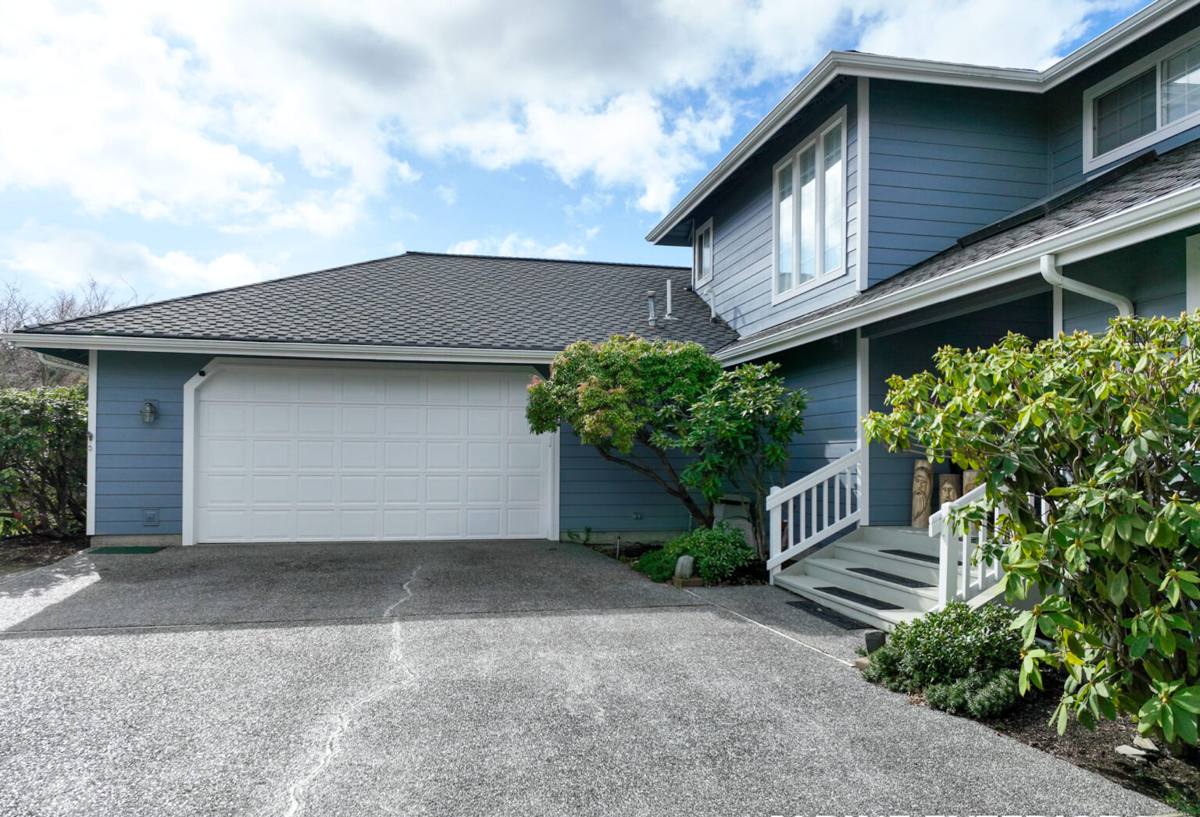
What Maple Falls Properties Demand From a Deck
The biggest factor on most Maple Falls lots is shade. Mature conifers and hardwoods keep large sections of yard out of direct sun for most of the day, which means wood surfaces dry slowly after rain and stay damp longer into the season. Combine that with the region's long stretch of wet weather, and you get conditions that favor moss, algae, and mildew growth on any deck surface that isn't built and finished to shed water and dry out between storms.
A few other things we plan around specifically for this area:
- Ground moisture and drainage: forested lots often have slower-draining soil under and around a deck footprint, which affects how footings are set and how close decking can safely sit to grade.
- Organic debris: needles, leaves, and seed pods collect between boards and in corners faster under a tree canopy, which accelerates rot if the decking material and gap spacing aren't chosen with that in mind.
- Limited direct sun for drying: a deck in full shade can stay damp for days after a storm, which changes which materials and finishes make sense.
- Wildlife and ground contact: foothill properties see more contact with insects and small animals than in-town lots, which is a real consideration for untreated or low-grade lumber near grade.
Decking Material Comparison for a Wet, Shaded Yard
There is no single "best" decking material — there's a best material for your specific lot, your budget, and how much upkeep you want to do. Here's how the common options perform under Maple Falls-style shade and moisture:
| Material | How It Handles Shade & Moisture | Maintenance | Typical Lifespan |
|---|---|---|---|
| Pressure-treated wood | Handles moisture well when properly treated and sealed; needs airflow underneath to dry out fully | Annual cleaning and re-staining/sealing recommended, more often in full shade | 15–25 years with upkeep |
| Cedar | Naturally rot- and insect-resistant, but still needs to dry between rains; can gray or streak faster in constant shade | Periodic cleaning and sealing to preserve color and resist moss | 15–20 years with upkeep |
| Capped composite | Resists moisture absorption well; the cap layer prevents water from soaking into the core, which matters a lot in shaded, slow-drying spots | Occasional washing; no staining or sealing | 25–30+ years, per manufacturer warranty |
| PVC/cellular decking | Essentially non-absorbent, performs well in constant damp and shade, though it can feel and sound different underfoot than wood | Low; occasional washing | Similar to or longer than capped composite |
Our standard is that whatever material a homeowner chooses, it gets installed correctly — proper gapping for expansion and drainage, hidden or corrosion-resistant fasteners, and enough airflow underneath. A good material poorly installed will still fail early in this climate.
Uncapped vs. Capped Composite
Not all composite decking is built the same. Older or uncapped composite boards can absorb moisture at the surface, which in a shaded, wet environment can lead to swelling, staining, or mold on the surface over time. Capped composite has a protective outer shell that resists that moisture uptake, which is why we generally steer homeowners in shaded, damp locations toward fully capped products rather than uncapped ones, even if the upfront cost is a bit higher.
What's Underneath Matters As Much As What's On Top
Most deck failures we see out this way don't start with the decking boards — they start with the framing and footings underneath. On a shaded, damp lot, three things get extra attention from us:
Footings and Foundation
Footings need to be sized and set to the depth required for the site conditions and local frost expectations, and set on stable, well-draining ground. On sloped or forested lots, we also check that surface water isn't going to pool against a footing after heavy rain.
Ledger Attachment and Flashing
Where a deck attaches to the house, correct flashing is what keeps water from working its way behind the siding and into the wall framing over time. This is one of the most common places we find water damage on older decks — a ledger board that was bolted on without proper flashing, quietly rotting the rim joist and siding behind it for years before anyone notices.
Joist Spacing and Fasteners
Joist spacing needs to match the decking material's requirements — composite and PVC products often call for tighter joist spacing than solid wood, especially at angles or stair treads. We use fasteners and hardware rated for exterior, ground-contact, or coastal-grade exposure so corrosion isn't working against the structure from year one.
Railings, Stairs, and Code Basics
Any deck built above a certain height off grade needs a code-compliant guardrail and, in most cases, a building permit through Whatcom County. Guardrails on a residential deck generally need to reach a minimum height with baluster spacing tight enough that a small child can't fit through, and stairs need consistent rise and run so they're safe to use in the dark or in wet conditions — which, in this climate, is often. We handle the permit and inspection process as part of the job rather than leaving it for the homeowner to sort out, and we build to the current code adopted for the county rather than to whatever the old deck happened to meet when it went up.
Our Deck-Building Process
- Site visit and assessment: we walk the property, look at sun/shade exposure, drainage, ground contact points, and how the deck will tie into the house.
- Design and material selection: we talk through layout, size, and material tradeoffs based on your budget and how much maintenance you want to do long-term.
- Permitting: we prepare and submit what's needed for Whatcom County permitting and scheduling inspections.
- Demolition and site prep: removal of any existing structure, and prep of the ground and footing locations.
- Framing and footings: footings, posts, beams, and joists are set to code and to the specific demands of the site.
- Decking, railings, and stairs: installation of the decking surface, guardrails, and any stairs, with attention to fastener choice and drainage gaps.
- Final walkthrough: we review the finished deck with you, cover basic care, and make sure everything is signed off through inspection.
What Affects the Cost of a Maple Falls Deck
Deck pricing varies a lot from property to property. As a rough starting point, straightforward wood decks tend to run lower, while larger composite or multi-level decks with custom railings run considerably higher — a realistic range for most projects out this way is roughly $8,000 to $25,000 or more, depending on the factors below. We'll always give you an itemized number for your specific project rather than a generic estimate.
| Factor | Why It Moves the Price |
|---|---|
| Size and footprint | More square footage means more material, more labor, and more footings |
| Height off grade | Taller decks need more substantial framing, guardrails, and often stairs |
| Material choice | Pressure-treated wood costs less upfront; composite and PVC cost more but need less upkeep |
| Site access and slope | Difficult access or a sloped, forested lot adds labor time and sometimes equipment needs |
| Railings and features | Custom railing styles, built-in benches, or multiple levels add both material and labor |
| Demolition needs | Removing and disposing of an existing deck adds cost before rebuilding even starts |
Maintaining a Deck in a Shaded, Rainy Climate
Whatever material you choose, a little seasonal maintenance goes a long way toward getting the full lifespan out of a Maple Falls deck. A simple annual routine we recommend:
- Clear leaves, needles, and debris out from between boards and in corners regularly, especially heading into fall
- Sweep and wash the surface to keep moss and algae from getting established, particularly in shaded corners
- Check and clear gaps around posts and the ledger board so water isn't pooling against the house
- Inspect fasteners and railing connections yearly for looseness or corrosion
- Re-stain or reseal wood decking on the schedule recommended for your product — shaded wood typically needs it more often than sun-exposed wood
- Trim back overhanging branches where practical to improve airflow and sun exposure on the deck surface
Signs an Existing Deck Needs Replacing, Not Just Repair
We get calls on older decks around Maple Falls that have been patched a few times already. A few signs it's time to talk replacement instead of another repair:
- Soft, spongy, or discolored decking boards, especially near the house or in shaded corners
- Rust staining or loose fasteners throughout, not just in one spot
- Visible gaps or staining where the deck meets the house siding — a sign the ledger flashing may have failed
- Wobbly railings or posts that move under normal pressure
- Persistent moss or algae that comes back within weeks of cleaning, suggesting the framing underneath isn't drying properly
If you're seeing more than one of these, it's usually more cost-effective in the long run to rebuild correctly than to keep patching a structure whose framing may already be compromised.
Why a Local Lynden-Area Crew Matters for Maple Falls Homes
A crew that only occasionally works outside town tends to build to a generic standard. Because we work Maple Falls and the surrounding Lynden area regularly, we already know what the shaded, forested lots out here do to a deck over time, and we build and detail accordingly — from footing depth and flashing to material choice and fastener grade. That's not a marketing line, it's just what regular exposure to this specific climate teaches a crew over time.
If you're planning a new deck or replacing a tired one in Maple Falls, we're happy to come take a look and put together a free, no-pressure estimate — just fill out the form below to get started.