 Lynden Siding
 Siding Built for Deming's Wet, Wooded Climate
Deming sits in the foothills east of Lynden, tucked against forest and river bottomland where Whatcom County's marine-influenced weather collides with mountain terrain. That combination means more rain days, longer stretches of standing humidity under tree cover, and a moss season that can run from early fall well into spring. Homes here don't get a break from moisture the way properties out on open, sun-exposed lots do. Siding that works fine in a drier part of the state can start showing problems within a few years in Deming's shaded, damp microclimate.
We install James Hardie fiber cement siding exclusively, and Deming is exactly the kind of environment where that decision pays off. Hardie's HZ5 product line is engineered specifically for the Pacific Northwest's freeze-thaw and moisture cycles, and it resists the two things that do the most damage to lesser materials out here: sustained dampness and biological growth.
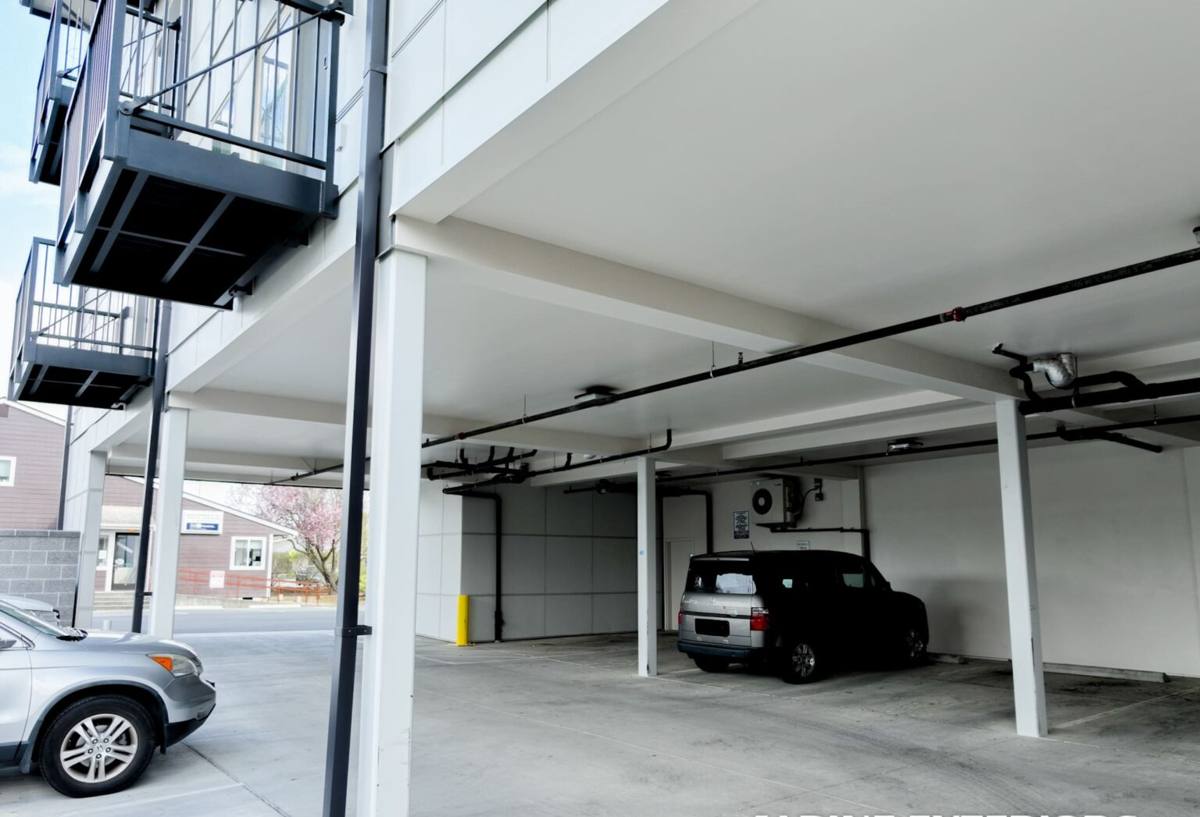
What Deming Homes Are Actually Fighting
Before talking about the product, it helps to be specific about what siding on a Deming home has to survive year-round.
Driving Rain and Wind-Blown Moisture
Whatcom County storms frequently push rain sideways, not straight down. On homes with tree cover or exposed gable ends, that means water gets driven into seams, laps, and fastener points that a vertical-rain climate would never stress. Siding materials that rely on paint film alone for water resistance — rather than a manufactured, moisture-resistant core — take on water at these joints over time, and that's where rot, swelling, and paint failure start.
A Long, Real Moss Season
Shaded siding in Deming can stay damp for days after a storm, especially on north-facing walls and areas close to trees or fence lines. That's ideal territory for moss, algae, and mildew. Wood-based and wood-composite sidings are especially vulnerable because moisture and organic growth accelerate the breakdown of the material itself, not just the paint on top of it. Fiber cement doesn't feed that growth process the way wood fiber does, which is a meaningful difference in a place where moss isn't a seasonal nuisance — it's a near-constant condition on shaded exteriors.
Temperature Swings and Freeze-Thaw Cycling
Deming's foothill elevation means colder overnight lows than you'll see closer to the water, plus more frequent freeze-thaw cycling in winter. Any siding material that absorbs moisture is at risk of that moisture freezing, expanding, and cracking the material or its finish. This is one of the specific reasons James Hardie developed regionally engineered HZ products in the first place — the material composition changes based on which climate zone it's built for.
Why We Only Install James Hardie
We get asked why we don't offer LP SmartSide, vinyl, Cemplank, Allura, or primed wood siding alongside Hardie. The honest answer is that we looked at how each of those materials performs over 15, 20, 30 years in exactly this kind of climate, and we decided we'd rather stand behind one product we trust completely than offer several we'd have reservations about.
- Vinyl expands and contracts significantly with temperature swings, can crack in hard freezes, and its appearance is baked in — no repainting to refresh or change a home's look.
- LP SmartSide and other wood-strand products use engineered wood technology that performs well in many climates, but any wood-based product depends heavily on caulking, flashing, and paint maintenance staying perfect over decades — a tall order in a climate this wet.
- Primed spruce or cedar is a real wood siding with real wood siding maintenance: repainting on a cycle, ongoing caulk inspection, and a shorter realistic lifespan before boards need replacing.
- Cemplank and Allura are also fiber cement products and share some of Hardie's core advantages, but we've standardized on one manufacturer so our crews, our warranty conversations, and our installation details are consistent on every job — and James Hardie's ColorPlus finish, product engineering, and warranty backing are what we trust most.
None of this means those products are bad — it means we made a professional call about what we're willing to put our name on, especially in a climate like Whatcom County's.
What Correct Installation Looks Like in Deming
Fiber cement siding is only as good as its installation. A product built to resist moisture can still fail early if it's hung wrong. On Deming homes specifically, we pay close attention to a handful of details that matter more here than in drier areas.
Rain Screen and Drainage Gap
Given how often walls stay wet for extended periods, a proper drainage gap behind the siding lets bulk water and trapped moisture escape rather than sit against the wall assembly. This is one of the most commonly skipped details on lower-quality installs, and it's one we don't skip.
Flashing at Every Penetration
Windows, doors, hose bibs, light fixtures, and vents are all places water can find a way in. Correct step flashing, head flashing, and kick-out flashing at roof-wall intersections are non-negotiable, especially where driving rain is a regular feature of the weather.
Fastener Placement and Clearance
James Hardie specifies exact nailing patterns, board overlap, and clearance from grade, roof lines, and decks. Getting the ground clearance and lap dimensions right keeps splash-back moisture and standing snow or debris from sitting against the bottom course — a common failure point we see on older installs in wooded lots.
Caulking and Joint Treatment
Butt joints and trim intersections get treated with the right sealant, applied correctly, so they don't become the first place moisture gets in during a wind-driven storm.
Comparing the Siding Options Homeowners in Deming Consider
| Material | Moisture Performance in Wet, Shaded Sites | Moss/Algae Resistance | Maintenance Over 20 Years |
|---|---|---|---|
| James Hardie Fiber Cement | Engineered for PNW moisture cycles (HZ5) | Strong — non-organic core | Low — factory finish holds up well |
| Vinyl | Doesn't absorb water, but can warp/crack in freeze cycles | Moderate — surface growth still occurs | Low, but color fades and can't be refreshed |
| LP SmartSide / Wood-Strand | Depends heavily on sealed edges staying intact | Moderate to low in shaded, wet conditions | Moderate — repainting and caulk checks needed |
| Primed Cedar/Spruce | Absorbs moisture without diligent maintenance | Low — organic material | High — regular repainting, board replacement likely |
Our Process for a Deming Project
We walk every job the same way, adjusted for the specifics of the property.
- On-site assessment. We look at existing siding condition, sun and shade exposure, tree proximity, drainage patterns around the foundation, and any signs of past moisture damage.
- Product and color selection. We walk through Hardie's HZ5 lines and ColorPlus finish options, factoring in how a color and texture will look against Deming's wooded, greener setting versus open lots.
- Tear-off and inspection. Once old siding is removed, we inspect sheathing and framing for hidden rot or moisture damage before anything new goes up — this is often where problems from a prior installation surface.
- Weather barrier and drainage plane. We install or verify the water-resistive barrier and rain screen gap before hanging a single board.
- Installation to Hardie spec. Fastener pattern, clearances, flashing, and joint treatment follow manufacturer specification, not shortcuts.
- Final walkthrough. We review the finished job with the homeowner and confirm everything meets both our standard and Hardie's warranty requirements.
What to Check Before Hiring Anyone for Siding Work in Deming
- Do they have documented experience installing fiber cement specifically, not just siding in general?
- Will they show you the flashing and drainage details before covering them up?
- Do they know the specific James Hardie product line engineered for this climate zone (HZ5)?
- Is their bid clear about tear-off, disposal, and any sheathing repair contingencies?
- Do they register the installation for the manufacturer's warranty, and can they explain what that warranty covers?
Why a Crew That Already Works This Area Matters
A contractor who regularly works Whatcom County's foothill communities has already seen how moisture behaves on shaded, tree-lined lots like the ones common around Deming. That experience shows up in small decisions — where to add extra flashing, how much drainage clearance to leave, which wall orientations need extra attention — that don't come from a spec sheet alone. It also means realistic scheduling around this area's wetter stretches of the year, so installation happens during conditions that let materials and sealants cure properly.
Get a Free, No-Pressure Estimate
If you're weighing siding options for a home in Deming, we're happy to walk the property, talk through what your specific site is dealing with, and give you a straightforward estimate for James Hardie siding — no pressure, no upsell to a product we wouldn't put on our own homes. Use the form below to get started.