 Lynden Siding
 Siding Built for Laurel's Corner of Whatcom County
Laurel sits in that stretch of Whatcom County between Bellingham and Lynden where the weather doesn't pick a lane. Moist air moves in off Puget Sound and Bellingham Bay, rain comes in sideways more often than straight down, and the shaded, tree-lined lots that make this area attractive also mean siding stays damp longer after every storm. Add a moss season that can run from late fall clear into spring, and you've got a climate that is genuinely hard on exterior materials — not in a dramatic way, but in a slow, cumulative way that shows up as soft trim boards, streaked paint, and siding that never quite looks clean again.
Homes in Laurel need siding that was engineered for exactly this kind of exposure, installed by a crew that understands why the details matter here and not just in a showroom. That's the whole focus of this page: what a correct siding installation looks like for a Laurel home, and why we only install one product to do it.
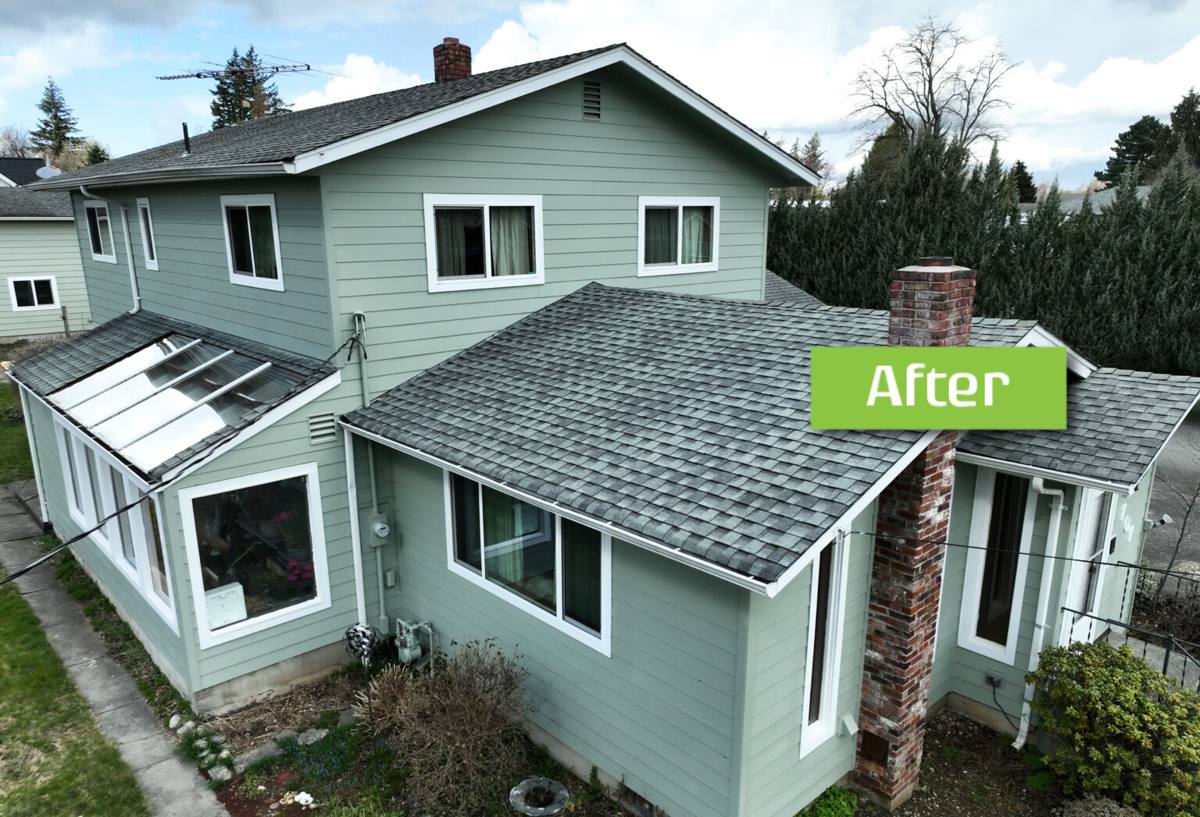
What Laurel's Climate Actually Does to Siding
It helps to be specific about the mechanisms at work, because they're what drive every decision in a proper installation.
Salt-Influenced Moisture
You don't have to be on the waterfront to feel the effects of salt-laden air moving inland from the Sound. It accelerates corrosion on fasteners, hardware, and any metal flashing that isn't properly rated, and it keeps humidity levels elevated even on days without rain. Siding systems that rely on unprotected steel fasteners or thin factory coatings tend to show wear here years before they would in a drier inland climate.
Driving, Wind-Driven Rain
Whatcom County rain rarely falls straight down. Wind pushes it sideways and up under laps, seams, and trim edges — exactly the spots where a rushed installation fails first. A correct install assumes water will hit every joint and is built to shed it anyway, not just to look watertight on a dry day.
A Long Moss and Mildew Season
Shade, moisture, and mild temperatures are ideal conditions for moss, algae, and mildew growth on exterior surfaces. Untreated wood and some fiber-cement competitors absorb moisture into their core, giving organic growth something to root into. Siding that resists water absorption at the surface simply gives moss and mildew less to hold onto.
What a Correct Siding Installation Involves
Siding is a system, not a single product. The board itself matters, but so does everything behind and around it.
Weather-Resistive Barrier and Flashing
Every installation starts with a continuous weather-resistive barrier over the sheathing, with flashing integrated at every window, door, deck ledger, and roof-to-wall transition. In a climate that drives rain sideways, the barrier and flashing — not the siding face — are the last line of defense if water gets behind a panel.
Fastening and Clearances
Fasteners need to be corrosion-resistant and driven to the manufacturer's specified depth and spacing — overdriven nails crack panels and create entry points for moisture. Siding also needs proper clearance from grade, roof lines, decks, and patios so it isn't sitting in standing water or trapped moisture at ground level.
Joints, Caulking, and Trim
Butt joints, corners, and trim intersections are where most siding failures start. They need to be caulked with a quality sealant rated for the product and finished so water sheds away from the seam instead of pooling in it.
Ventilation Behind the Cladding
A rain screen or drainage gap behind the siding lets any moisture that does get past the surface drain and dry out instead of sitting against the sheathing. This detail matters more in a climate like Laurel's than in drier parts of the state.
Why We Install Only James Hardie Fiber Cement
We don't install vinyl, LP SmartSide, Cemplank, Allura, primed spruce, or cedar. That's not brand loyalty — it's a standard we settled on after weighing how each product actually performs against a climate like this one.
James Hardie fiber cement is engineered specifically for regional climate conditions through its HZ5 product line, which is formulated for the Pacific Northwest's wet, moderate-temperature exposure. It's non-combustible, which matters given Washington's wildfire seasons, and it doesn't absorb and swell with moisture the way wood-based products can. The factory-applied ColorPlus finish is baked on under controlled conditions rather than field-applied, which means better fade and moisture resistance than a job-site paint coat, and it comes with a strong transferable warranty backed by the manufacturer rather than a smaller regional supplier.
None of that means fiber cement is maintenance-free. It means the material itself isn't the weak link — installation quality is, which is why we're as particular about the install as we are about the product.
Comparing Siding Options for a Laurel Home
| Factor | James Hardie Fiber Cement | Vinyl | Wood / LP SmartSide |
|---|---|---|---|
| Moisture behavior | Resists absorption; engineered for wet climates | Doesn't absorb, but can warp and gap, letting water behind panels | Wood-based core can swell and rot if the finish fails |
| Fire rating | Non-combustible | Combustible, can melt or deform | Combustible |
| Moss and mildew resistance | Strong; dense surface gives organics little to grip | Fair, but grime and algae streak the surface over time | Weaker if finish wears through |
| Finish durability | Factory-baked ColorPlus finish, long fade resistance | Color molded through, but can chalk and fade | Field-applied paint/stain needs more frequent recoating |
| Typical lifespan when installed to spec | Decades, often 30+ years | 20-30 years | Highly dependent on finish maintenance |
| Warranty structure | Strong manufacturer-backed transferable warranty | Varies widely by manufacturer | Varies; often shorter on the substrate |
How Our Process Works for a Laurel Project
- On-site inspection: we assess existing siding, trim, flashing, and sheathing condition before quoting anything, since hidden moisture damage changes the scope.
- Tear-off and sheathing check: old siding comes off and we inspect the sheathing underneath for soft spots or rot before anything new goes up.
- Weather barrier and flashing installation: a continuous barrier and properly integrated flashing at every penetration, sized for the driving rain this area gets.
- Rain screen / drainage detailing: where the assembly calls for it, a drainage gap is built in so incidental moisture can escape.
- Hardie panel or plank installation: fastened to manufacturer spec, with proper clearances from grade, roofs, and decks.
- Trim, joints, and caulking: corners, butt joints, and penetrations sealed and finished to shed water rather than trap it.
- Final walkthrough: we review the finished job with the homeowner and confirm everything meets spec before calling it done.
Signs a Laurel Home's Siding Needs Attention
- Dark streaking or green moss film that returns soon after cleaning
- Soft or spongy spots when you press on siding or trim boards
- Paint that's peeling, bubbling, or chalking heavily on one exposure of the house
- Visible gaps opening up at butt joints, corners, or trim edges
- Warping, buckling, or panels that no longer sit flat against the wall
- A musty smell near exterior walls, which can point to moisture already behind the siding
- Rising energy bills that suggest the wall assembly isn't sealing the way it used to
What Affects the Cost of a Siding Installation
Every Laurel property is different, so exact numbers depend on the specifics of your home. In general, these are the factors that move a project's cost up or down:
| Factor | Why It Matters |
|---|---|
| Home size and wall complexity | More corners, dormers, and roof intersections mean more flashing and trim work |
| Condition of existing sheathing | Rot or moisture damage found during tear-off adds repair scope before new siding can go on |
| Siding profile chosen | Lap, shingle, and panel styles differ in material and labor time |
| Trim and accessory scope | Corner boards, frieze boards, and window trim add material and detail work |
| Access and site conditions | Tight lots, slopes, and mature landscaping can affect staging and labor time |
Why a Crew That Already Works Laurel and Lynden Matters
Whatcom County permitting, local building department expectations, and the practical realities of working around this region's rain windows are things a crew learns by doing the work here repeatedly, not by reading a spec sheet. A crew that already knows this stretch between Bellingham and Lynden understands how to sequence a tear-off around the weather, how local moisture and moss patterns affect where extra flashing attention pays off, and which details actually matter for a house exposed to this particular mix of salt air, driving rain, and shade. That local familiarity shows up in fewer surprises during the job and a better outcome once it's finished.
Caring for Hardie Siding After It's Installed
Fiber cement installed correctly is low-maintenance, but not zero-maintenance. A periodic gentle wash removes the pollen, grime, and moss film this climate produces, and keeping gutters and downspouts clear prevents water from sheeting down the siding face in ways it wasn't designed for. Caulking at joints and trim should be checked every few years and refreshed if it's cracking, since caulk fails well before the siding itself does. Because ColorPlus finish is factory-applied, you're not on a repainting cycle the way you would be with field-finished wood siding — but keeping an eye on the caulk lines and flashing is what keeps that finish looking good for the long haul.
If your Laurel home's siding is showing its age, or you're planning ahead for a project, we're happy to take a look and walk you through what correct James Hardie installation would involve for your specific house. There's no pressure and no cost to get an estimate — just use the form below to get started.