 Lynden Siding
 Why Deming-Area Homes Take a Harder Hit From the Climate
Homes around Deming sit in a part of Whatcom County where the weather doesn't do anything gently. Marine air pushes inland off the Salish Sea and picks up moisture and salt as it moves through the county, driving rain comes in sideways during fall and winter storms, and the tree cover and river-valley humidity that make this area beautiful also keep exterior surfaces damp for days at a time. That combination — salt-laced air, wind-driven rain, and long stretches of low sun and high humidity — is exactly the environment that ages siding faster than manufacturers' brochures ever admit.
Siding here isn't just a cosmetic layer. It's the first and most exposed line of defense against a climate that runs wet nine months of the year and gives a house very little time to fully dry out between storms. Get the material or the installation wrong, and the consequences show up as moss colonies, soft trim, swollen panel edges, and paint that fails years before it should.
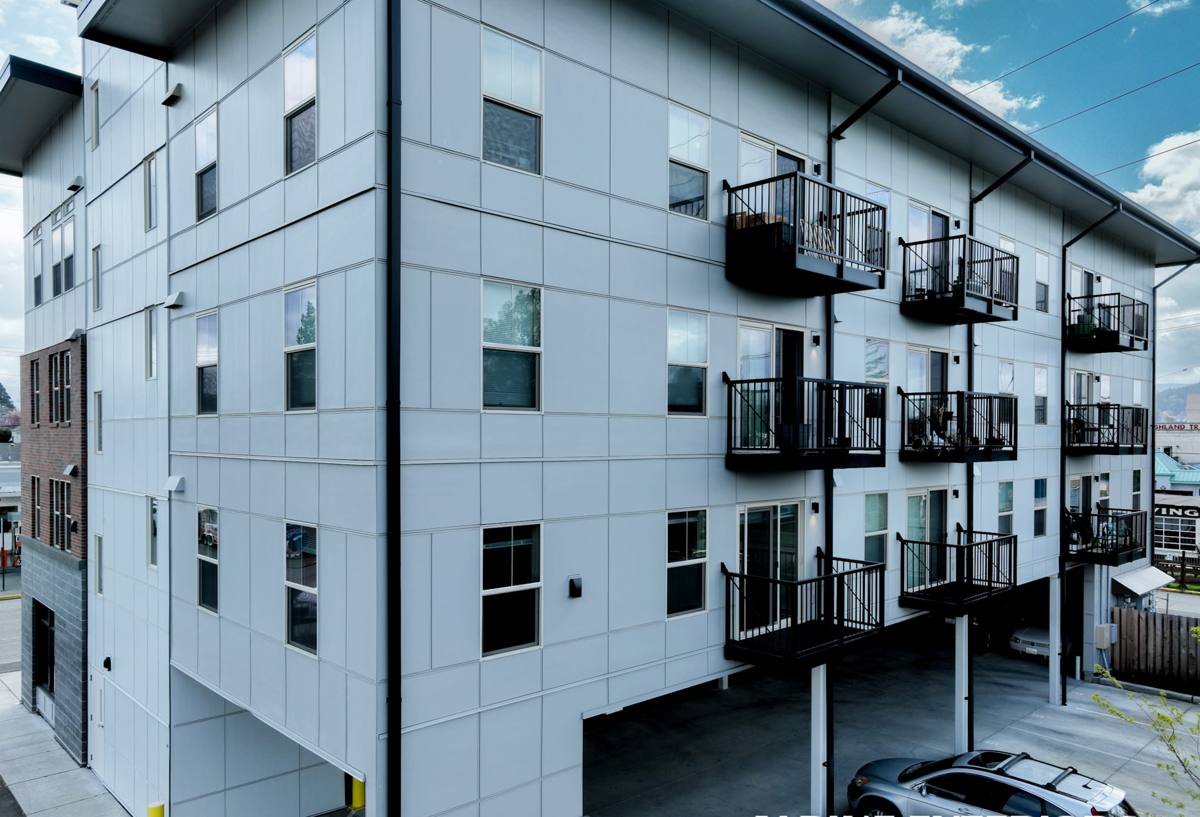
What a Long Moss Season Does to the Wrong Siding
Moss doesn't need much to get established — just a shaded, consistently damp surface with any texture for spores to grip. Untreated or lightly coated wood-based products are especially vulnerable because they absorb ambient moisture into the substrate itself, not just the surface. Once moss and the mildew that often travels with it take hold, they hold water against the siding around the clock, which accelerates rot, delamination, and paint failure underneath the growth long before it's visible from the yard.
This is one of the biggest reasons product choice matters more here than in a dry climate. A siding material that shrugs off standing moisture and resists organic growth on its factory finish is going to outlast one that depends on perfect paint maintenance to stay ahead of the moss.
Why We Install Only James Hardie Fiber Cement
We made a deliberate decision years ago to install one siding system — James Hardie fiber cement — and nothing else. We don't install vinyl, LP SmartSide, Cemplank, Allura, primed spruce, or cedar. That's not a marketing angle; it's a standard we hold because of what we've seen this climate do to alternatives over time.
Fiber cement is non-combustible, dimensionally stable in wet-dry cycling, and manufactured with a factory-applied ColorPlus finish that's baked on rather than site-painted. That finish resists moss and mildew adhesion far better than a field-painted or raw wood surface, and it doesn't rely on us getting the paint job perfect on installation day to hold up ten years later. James Hardie also engineers separate product lines for different climate zones — the HZ5 line is built for regions like ours with cold, wet winters, where moisture management and freeze-thaw resilience actually matter. That's a level of climate-specific engineering the alternatives we chose not to install simply don't offer.
What This Means in Practice
Choosing Hardie isn't just about the panel itself — it's about pairing a stable, engineered material with an installation process that respects how water actually moves through a wall assembly in this region. A great product installed carelessly still fails. A correct install with the right product is what actually holds up.
What a Correct Siding Installation Actually Involves
Siding failures we get called out to inspect almost never trace back to the panel itself — they trace back to shortcuts taken during installation. A correct job on a Deming-area home involves several details that are easy to skip and expensive to fix later.
Tear-Off and Substrate Check
Before any new siding goes up, the old material comes off and the sheathing underneath gets inspected. In a climate this wet, hidden rot behind old siding is common enough that we treat every tear-off as a chance to catch problems before they're sealed back up behind a new wall.
Moisture Management Behind the Panel
A weather-resistive barrier goes on correctly lapped, house wrap seams get taped, and window and door openings are flashed so that any water that gets past the siding drains back out rather than pooling behind it. Where conditions call for it, a rainscreen gap keeps the back of the siding ventilated so it can dry rather than staying damp against the wall.
Fastening and Joint Details
Fiber cement needs corrosion-resistant fasteners driven to the manufacturer's specified depth and pattern — not just close enough. Butt joints get treated with the sealant and flashing James Hardie's installation instructions call for, not caulk alone, because caulk-only joints are one of the most common points where water eventually gets in.
Clearances and Trim
Siding needs proper clearance from the roofline, decks, and grade so it isn't sitting in standing water or snow. Field-cut edges get sealed before they're installed, since an unsealed cut edge is the one part of a fiber cement panel that can actually absorb moisture.
Comparing Siding Approaches for a Wet, Moss-Prone Climate
| Factor | James Hardie Fiber Cement | Vinyl | Wood / LP-Type Products |
|---|---|---|---|
| Moisture behavior | Dimensionally stable, resists warping | Can gap and warp with temperature swings | Substrate can absorb moisture if finish fails |
| Moss and mildew resistance | Factory-baked finish resists organic growth | Surface can host moss in shaded, damp areas | More vulnerable once coating wears thin |
| Fire resistance | Non-combustible | Combustible | Combustible |
| Maintenance over time | Occasional wash, repaint on a long cycle | Low maintenance but limited repair options | Repainting and edge-sealing on a shorter cycle |
| Long-term appearance | Holds color and profile with correct install | Can fade and become brittle with UV exposure | Prone to swelling at edges and seams |
This table reflects general product characteristics, not a claim about any specific competitor's workmanship. The point isn't that other materials can't be installed reasonably well — it's that in a climate that stays wet this much of the year, we'd rather stand behind one system we trust completely than offer several and hope each one gets installed perfectly.
Our Process, From First Look to Final Walk-Through
- Assessment: We look at the current siding, trim, and any visible moisture damage, and talk through what your home actually needs versus what can wait.
- Plan and quote: We put together a clear scope covering tear-off, any substrate repair, the Hardie product line and color, and a realistic timeline.
- Prep and protection: Landscaping, walkways, and windows get protected before tear-off starts.
- Tear-off and inspection: Old siding comes off and sheathing is checked before anything new goes up.
- Weather barrier and flashing: House wrap, flashing, and drainage details go in first, since this is the layer that actually keeps a home dry long-term.
- Installation: Panels, trim, and joints go in to manufacturer spec, with fasteners, clearances, and sealed edges done correctly the first time.
- Final walk-through: We go over the finished work with you before we consider the job done.
Signs Your Current Siding Is Already Losing the Fight
- Moss or dark streaking that keeps coming back within a season or two of washing
- Soft spots, especially near the bottom courses, corners, or below windows
- Paint that's peeling, bubbling, or chalking well ahead of its expected repaint cycle
- Visible gaps opening up at seams, corners, or trim boards
- Warping, bowing, or panels that no longer sit flat against the wall
- A musty smell near exterior walls inside the home
Any one of these on its own isn't necessarily an emergency, but a couple showing up together usually means moisture has already gotten past the surface.
Why Hiring a Crew That Already Works Deming and Lynden Matters
A crew that regularly works this part of Whatcom County already knows how this climate behaves on real homes — how much drying time to expect between rain systems, where moss tends to establish first on a given exposure, and how to sequence a tear-off so a home isn't left exposed longer than necessary. That local familiarity shows up in scheduling decisions and installation details more than in anything you'd notice on a brochure.
It also means a shorter distance between your home and the crew doing the work, which matters if a follow-up question comes up after the job is done. We're not flying in from out of the area for one job and moving on.
Living With Hardie Siding After Installation
Correctly installed fiber cement is low-maintenance, not no-maintenance. An occasional gentle wash to knock down surface grime, prompt caulking touch-ups where recommended, and keeping gutters and downspouts clear so water isn't sheeting down the wall all go a long way in this climate. Because the ColorPlus finish is factory-applied, most homeowners go far longer between repaints than they would with a field-painted product — but "long-lasting" still means checking it periodically, not ignoring it.
If your Deming-area home is due for new siding, or you just want an honest read on what shape your current siding is really in, we're happy to take a look. The estimate is free, there's no pressure, and you'll get a straight answer either way — just fill out the form below to get started.