 Lynden Siding
 Deck Replacement in Kendall: Why This Climate Wears Decks Out Faster
Kendall sits in a stretch of Whatcom County that takes a specific kind of weather beating year after year, and a deck feels it more than almost any other part of the house. Salt-tinged air moving in off the water works steadily on exposed fasteners and metal hardware. Driving rain doesn't just fall on a deck surface, it gets pushed sideways and up under railings and between boards that were never gapped to handle it. And a long, damp moss season settles into shaded and north-facing decks and stays there for months at a stretch. A deck built or replaced without those specific stresses in mind usually looks fine for a few years and then starts failing all at once — soft framing, loosening railings, boards that stay slick well into spring.
This page is about deck replacement specifically for Kendall properties: what tells you an existing deck is done rather than just due for repair, what a correct replacement actually involves once the old structure comes out, and how our process works from first look to finished walkthrough.
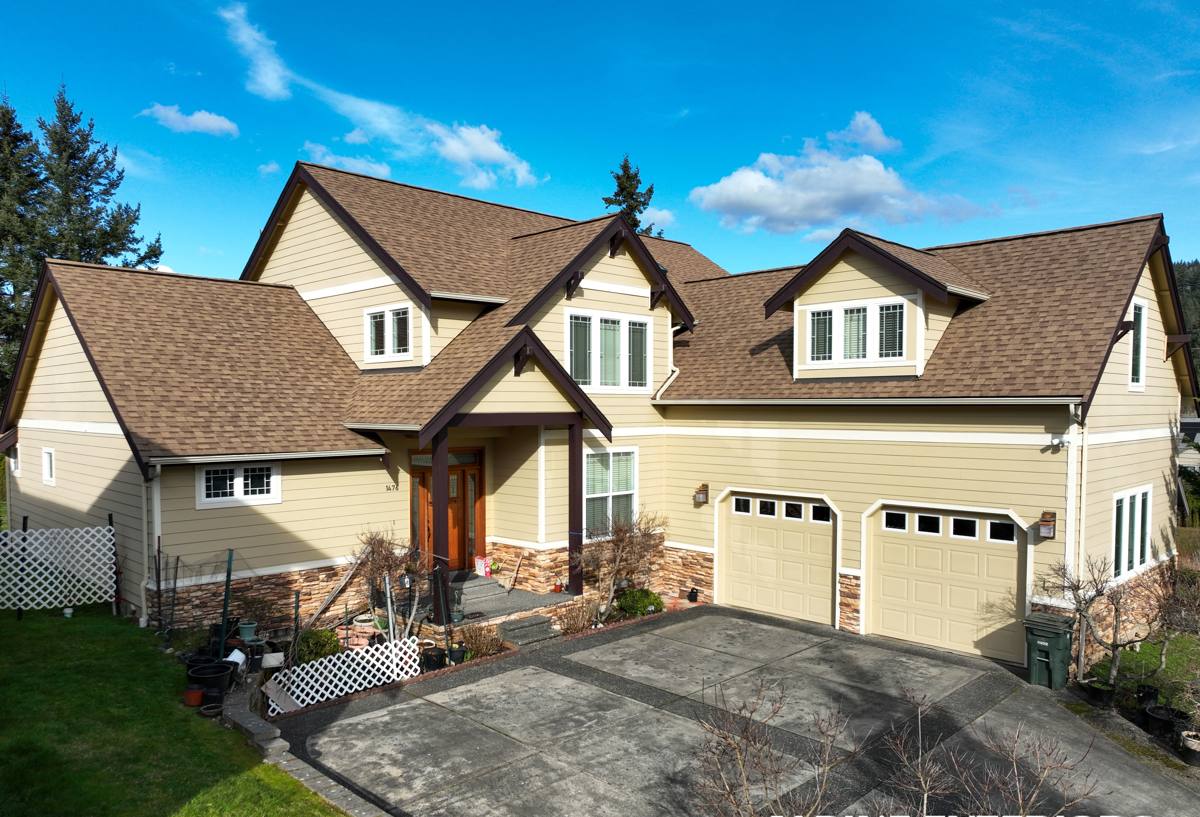
Signs Your Kendall Deck Needs Replacing, Not Just Repair
Most decks give warning signs well before they become a safety issue, and knowing the difference between a problem you can patch and one that means the whole structure needs to come out saves homeowners from spending repair money on a deck that's already past the point of being worth it.
Structural Red Flags
- Soft or spongy spots in the decking or framing when you walk across them
- Railing posts that have loosened or flex noticeably when pushed
- Visible rot, splitting, or fastener corrosion staining around the ledger board where the deck meets the house
- Stairs that feel less solid than they used to, or noticeable gaps opening at stringer connections
- Any sign of the deck pulling away from the house at the ledger, even slightly
Surface Wear That's More Than Cosmetic
Graying wood, peeling stain, or moss buildup on the surface can sometimes be addressed with cleaning and refinishing. But when that surface wear is paired with cupping boards, exposed and corroding fasteners, or a deck that's been re-stained more times than anyone can remember without ever addressing what's underneath, the surface problems are usually a sign that the structure underneath has been absorbing the same moisture for years. At that point, patching the top layer again just delays a decision that's already been made by the wood itself.
Why Tear-Out Beats Patching an Old Deck
It's tempting to replace only the decking boards and leave the substructure alone, especially when the framing looks fine from where you're standing on top of it. In Kendall's climate, that's often a mistake. Ledger connections, joists, and posts take on moisture from underneath and from the sides, not just from the top, and damage there can go unnoticed until a board is pulled and the framing underneath is soft or corroded. A full replacement means every part of the structure gets inspected and addressed at once, rather than fixing the visible layer and leaving unknown condition underneath it for another few seasons.
This matters more with older decks in particular. A lot of decks built a decade or more ago were framed and flashed to standards that have since improved, especially around ledger board attachment and flashing where the deck ties into the house. Replacing the whole structure is the only real opportunity to bring those details up to a standard that actually holds up here, instead of rebuilding around the same weak point that caused problems in the first place.
Choosing Decking Material for a Replacement in This Climate
Material choice matters more on a replacement deck in Kendall than it would in a drier, more sheltered part of the state, because the gap in performance between a well-suited product and a poorly-suited one shows up faster here. The three categories homeowners typically weigh are pressure-treated or cedar wood, capped composite, and cellular PVC.
| Material | Handling Rain & Moisture | Moss Resistance | Upkeep |
|---|---|---|---|
| Cellular PVC | Excellent — no wood fiber to absorb moisture | Strong, smooth non-porous surface | Occasional washing |
| Capped composite | Strong — cap layer resists moisture and staining | Good on most product lines | Occasional washing |
| Uncapped composite | Moderate — some moisture absorption at exposed fiber | Fair; more prone to buildup over time | Periodic cleaning |
| Cedar | Moderate — natural resistance, but needs sealing | Fair when sealed and maintained | Regular oiling or sealing |
| Pressure-treated wood | Weak against sustained moisture without upkeep | Poor without regular treatment | Regular sealing or staining |
Homeowners replacing an older wood deck often use the opportunity to move to capped composite or PVC, mainly because they're tired of the sealing and staining cycle wood demands in a climate this damp. That's a reasonable call, but it's not the only correct one — a well-maintained wood deck can still make sense for someone who doesn't mind the upkeep or prefers the look. What matters more than the surface material is making sure whatever gets chosen is matched with framing, fasteners, and drainage details built for actual conditions here, not a generic install.
What a Correct Deck Replacement Involves Here
The decking surface gets most of the attention when homeowners picture a replacement, but in Kendall's climate, the framing, fasteners, and drainage details underneath are what actually determine how long the new deck lasts. A replacement done right includes:
- Full removal of the old structure, not a rebuild on top of an existing frame of unknown condition
- Framing material sized and rated for sustained moisture exposure, matched to the actual span and load
- Stainless steel or coastal-grade corrosion-resistant fasteners throughout, not standard hardware that starts corroding within a few wet seasons
- New ledger board flashing at the house connection, since that's one of the most common places moisture got in on the old deck
- Correct board gapping for drainage and material movement, so wind-driven rain and standing moisture can actually drain and dry between boards
- Hidden fastener systems on the deck surface where the chosen product allows, reducing exposed metal and giving a cleaner walking surface
- Railing and post attachment sized for the site's actual wind and weather exposure, not just a minimum-code afterthought
- Grading and ventilation underneath the deck so moisture doesn't sit against the new framing between storms
Skip any one of those and the new deck can still look good on day one. The problems that come from cutting corners here tend to show up two or three winters later, not immediately, which is exactly why they're easy to overlook when comparing bids on price alone.
Permits and Code Updates You Inherit With a Replacement
A full deck replacement in Kendall and the rest of Whatcom County generally requires a permit, and that's worth treating as an advantage rather than paperwork to avoid. Building codes covering ledger attachment, railing height, guard spacing, and footing depth have been updated more than once since a lot of existing decks were originally built, and a permitted replacement gets inspected against current requirements rather than whatever standard applied when the original deck went in. We handle the permitting process as part of the job, and we build to current code as a baseline, not a target to just barely clear.
How Our Process Works
- In-person assessment: We look at the existing deck in person, including the condition underneath the surface where visible, and talk through whether repair is realistically still an option or replacement is the right call.
- Written estimate: You get a clear, itemized bid covering demolition, framing, fasteners, decking material, railing, and permitting — not a single lump-sum number.
- Permitting: We pull the required permit and build to current Whatcom County code requirements.
- Demolition: The old deck comes out completely, including the ledger connection, so nothing questionable gets built over or around.
- Framing and structure: New substructure goes in sized for the span, load, and site exposure, with corrosion-resistant fasteners and proper ledger flashing throughout.
- Decking, railing, and finish work: The surface material, railing system, and any stairs or trim go in to manufacturer specification.
- Final walkthrough: We review the completed deck with you and cover what your specific material choice actually needs going forward.
Keeping a New Deck Looking New in Kendall
Even a well-built replacement deck needs some routine attention in this climate to reach its full lifespan. A short list worth keeping in mind:
- Rinse the deck surface periodically to clear pollen, dirt, and organic buildup before it works into the surface or cap layer
- Keep gaps between boards clear of leaves and debris so water and airflow can move through as designed
- Check railing posts and hardware once a year for early corrosion or loosening, especially heading into the wet season
- Trim back overhanging branches or plants that hold moisture against the deck or block sun and airflow across the surface
- If you chose wood, keep to a regular sealing or staining schedule rather than waiting until it visibly needs it
Why Hiring a Crew That Already Works in Kendall Matters
A crew that mostly builds and replaces decks further inland can still do competent work, but a Kendall project has details that don't come up as often elsewhere in the county — corrosion-grade fastener requirements from sustained damp exposure, ledger flashing details that matter more here than in a sheltered lot, and a moss season long enough that surface material choice has real consequences within a few years, not just eventually. Working this area regularly means we're not guessing at those requirements on your project. We've torn out enough old decks around Kendall to know which failure points show up here specifically, and which fastener grades and framing details are worth the extra time rather than an unnecessary upsell.
That familiarity also shows up in the smaller judgment calls — being straightforward about whether a deck can be repaired or genuinely needs to come out, and what a replacement here realistically needs to last versus what's just an extra line item on a bid.
If your Kendall deck is showing its age or you'd just like an honest opinion on whether repair or full replacement makes more sense, we're happy to take a look and walk you through the options plainly. Use the form below for a free, no-pressure estimate.