 Lynden Siding
 Building Decks for Wiser Lake's Damp, Wooded Lots
Wiser Lake sits in a part of Whatcom County where tree cover, lake humidity, and the region's marine climate combine to create tougher conditions for outdoor structures than homeowners often expect. A deck built here has to deal with more sustained moisture than one built on a dry, open lot in town. That doesn't mean building here is harder than it should be — it means the framing, fasteners, and materials need to be chosen with this specific environment in mind from the start.
We've built and repaired decks throughout the Lynden area long enough to know which shortcuts show up as problems in year three, not year one. Wiser Lake properties, with their mix of waterfront lots, wooded acreage, and rural setbacks, tend to expose those shortcuts faster than most.
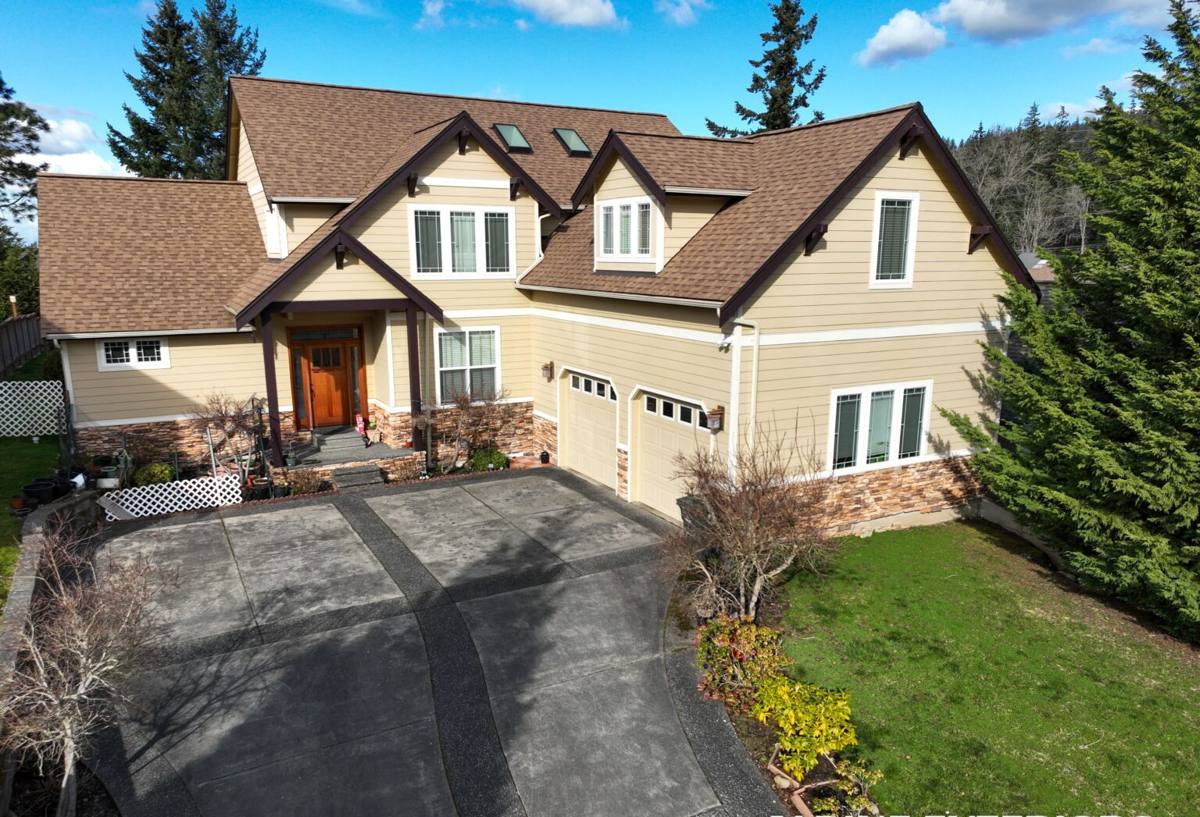
What the Local Climate Does to an Outdoor Deck
Whatcom County's weather is defined by long stretches of driving rain, short summers, and a marine air mass that carries salt-tinged moisture inland from the Strait of Georgia and Puget Sound. Add a freshwater lake and the surrounding tree canopy, and Wiser Lake properties get extra humidity that lingers even after the rain stops.
Three things matter most for a deck in this setting:
- Driving rain that gets pushed sideways by wind, soaking ledger boards, railing posts, and stair stringers that a purely vertical rain design wouldn't expose.
- A long moss season — shaded, north-facing, and lake-adjacent decking stays damp for weeks at a time, which is exactly what moss and algae need to take hold.
- Salt-influenced marine air that accelerates corrosion on cheap or mismatched fasteners and hardware, even well inland from saltwater itself.
None of this means a deck at Wiser Lake can't last decades. It means the build has to account for moisture that doesn't dry out quickly, on a longer seasonal schedule than most manufacturers' installation guides assume, and it's part of why we plan builds and maintenance advice around the wettest months rather than ignoring them.
What a Correctly Built Deck Involves
A deck is only as good as what's underneath it. The visible decking boards get all the attention, but the framing, flashing, and fasteners are what determine whether it's still solid in ten or twenty years.
Footings and Framing
Footings need to be sized and set below frost depth with attention to how saturated the soil gets near the lake, particularly on lots with a higher water table or heavier clay content. Framing lumber should be rated for ground contact where it's within splash range, and every cut end needs to be sealed — not just the factory-treated face — since an untreated cut end is where rot starts.
Ledger Attachment and Flashing
The ledger board, where the deck attaches to the house, is the single most common failure point we see on older decks in wet climates. It has to be flashed correctly, with the flashing lapped over the house's water-resistive barrier, not just caulked and hoped for. A poorly flashed ledger will trap water against the house framing for years before anyone notices — usually as a soft spot in the siding or a stain on an interior ceiling.
Fasteners and Hardware
In a marine-influenced climate, fastener choice isn't cosmetic. We use stainless steel or heavy hot-dip galvanized fasteners and structural hardware rated for the specific treated lumber they're going into — mismatched metals corrode faster when they're in constant contact with damp, treated wood. This is one of the areas where a cheaper hardware substitution shows up as rust streaks and loosening joints within a few seasons, not decades.
Choosing Decking Material for a Lake-Adjacent Lot
Every decking material handles this climate differently. There isn't one "right" answer for every Wiser Lake property — it depends on how much sun the deck gets, how close it sits to the lake, and how much maintenance the homeowner actually wants to do.
| Material | How It Handles Moisture & Moss | Maintenance | Typical Cost Tier |
|---|---|---|---|
| Pressure-treated lumber | Resists rot when properly sealed; still needs regular cleaning in shaded, damp spots | Annual cleaning and re-sealing | Lower |
| Cedar | Naturally rot- and insect-resistant, but shows moss and gray weathering faster if not maintained | Regular cleaning, periodic oil or stain | Moderate |
| Composite decking | Doesn't rot, but can still grow surface moss or algae in constant shade — needs the right board profile and airflow underneath | Periodic washing, no sealing or staining | Moderate to Higher |
| PVC/capped decking | Fully sealed surface resists moisture and staining best of the group; best choice for deep shade or lakeside spray | Occasional washing | Higher |
On shaded or lake-facing sections, we lean toward composite or capped boards with a textured, moss-resistant surface, or we make sure natural wood gets enough airflow and sun exposure to dry out between rains. On open, sunnier parts of a lot, cedar or treated lumber can perform well for years with basic upkeep.
Railings, Stairs, and Code Requirements
Guardrails, stair rise and run, and baluster spacing all follow Washington's adopted residential building code, and Whatcom County's permitting process applies the same way in Wiser Lake as it does inside Lynden's city limits. We handle the permit submittal and inspection scheduling as part of the build so homeowners aren't left tracking down county requirements on their own.
Beyond code minimums, railing hardware near the lake gets the same fastener treatment as the deck frame — stainless or properly rated galvanized connectors, not bargain hardware that looks fine on day one and streaks with rust by the following winter.
Site-Specific Design Choices Around Wiser Lake
Lots around the lake vary — some sit close to the water with limited sun, others are set back on wooded acreage with heavy tree cover, and some have open southern exposure. A few design decisions we walk through with every homeowner here:
- Drainage under and around the deck — grading and gutter placement matter more on lots where the ground stays saturated longer after rain.
- Board spacing and substructure airflow — tighter spacing looks clean but traps moisture in a shaded lot; we adjust spacing and joist height to let the underside dry out.
- Tree canopy management — we can't, and shouldn't, recommend removing healthy trees, but trimming overhanging branches near a new deck reduces the leaf litter and shade that feed moss growth.
- Orientation for view and sun — on waterfront or near-waterfront lots, we design the deck footprint to balance lake views with enough sun exposure to help the surface dry between storms.
- Setbacks and lot lines — rural and lakefront parcels often have different setback rules than in-town lots, which we confirm with the county before finalizing a design.
Our Process, Start to Finish
Every custom deck starts with an on-site visit, not a phone estimate. We walk the lot, look at drainage patterns, existing tree cover, sun exposure, and how the deck will tie into the house, then talk through material options based on what we see.
- Free on-site consultation and measurement
- Design and material selection, with a clear written estimate
- Permit submittal and county inspection scheduling
- Framing, ledger flashing, and structural build
- Decking, railing, and stair installation
- Final walkthrough and cleanup
We don't sell a one-size-fits-all deck package. A shaded, lake-adjacent lot and an open, sunny lot half a mile away often call for different board spacing, different fastener choices, and sometimes different materials — the process is built to catch that before framing starts, not after. Weather also factors into scheduling; we build around the region's wetter months rather than rushing a pour or a ledger install between storms.
Keeping a Wiser Lake Deck in Good Shape
Whatever material a homeowner chooses, a little seasonal upkeep goes a long way in this climate. A basic yearly checklist:
- Sweep leaves and debris off the deck surface regularly, especially in fall when tree litter builds up fastest
- Clean visible moss or algae with a deck-safe cleaner before it gets a foothold — pressure washing on too high a setting can damage wood fibers or composite surfaces
- Check and re-seal or re-stain wood decking on the schedule the product calls for, typically every one to two years in this climate
- Inspect railing posts, stair connections, and ledger flashing once a year for loose hardware or early rust staining
- Keep gutters and downspouts near the deck clear so runoff isn't draining directly onto or under it
Why a Crew That Already Works Wiser Lake Matters
A contractor who only occasionally works outside Lynden's town center can still build a structurally sound deck, but they're guessing at how a given lot handles moisture instead of knowing it from repeat experience. We've seen how shaded lots near the lake perform differently than open lots a mile away, which fastener choices hold up and which ones don't, and how the county's permitting process runs for this specific area. That familiarity shows up in fewer surprises during the build and a deck that's designed for the actual conditions it will sit in, not a generic spec sheet pulled from a drier climate.
If you're planning a new deck or replacing one that's showing its age at Wiser Lake, we're happy to walk the site with you and put together a free, no-pressure estimate — just fill out the form below.