 Lynden Siding
 Board & Batten Siding for Blaine's Coastal Conditions
Blaine sits right up against the water at the edge of Whatcom County, and that location shapes everything about how siding performs there. Homes close to Semiahmoo Bay and Drayton Harbor deal with salt-laden air, wind-driven rain that hits walls at an angle instead of just falling straight down, and long stretches of gray, damp weather that keep north- and west-facing walls wet for days at a time. Board and batten siding has become a popular choice for Blaine homes because of its clean, vertical-line look, but the material and the installation both need to be matched to what this stretch of coastline actually does to a house over the years.
We're a Lynden-based crew that works Blaine regularly, and this page covers what board and batten siding needs to hold up here, what a correct installation looks like, and why we only install it in James Hardie fiber cement.
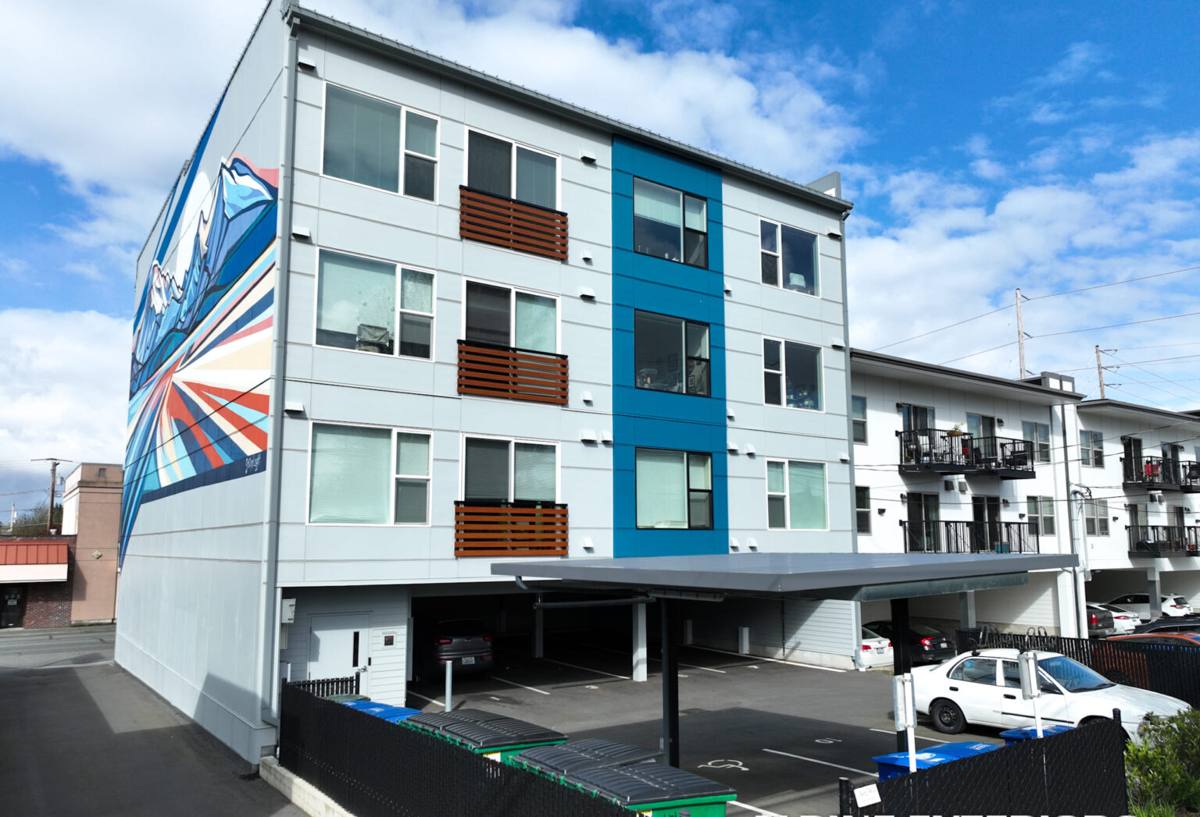
Why Board & Batten Suits Blaine Homes
Board and batten is a vertical siding pattern — wide flat boards installed with narrower battens covering the seams between them. It reads as more architectural than standard lap siding, which is part of why it shows up so often on Blaine's newer builds, coastal-style remodels, and accent gables. Beyond the look, the vertical lines actually help shed water a little more directly than horizontal laps do at the seams, provided the material underneath and the fastening are done right.
The tradeoff is that board and batten has more seams and more penetration points per square foot than a lap profile, and every one of those seams is a place water can find its way behind the siding if it's not detailed correctly. In a climate like Blaine's, where driving rain and salt spray are a regular feature rather than an occasional event, that detailing matters more than it would somewhere drier and inland.
What Blaine's Climate Actually Does to Siding
- Salt air: Corrodes untreated or low-grade fasteners and trim metal over time, especially on walls facing the water or exposed to prevailing wind off the bay.
- Driving rain: Coastal wind pushes rain sideways into seams and butt joints that would stay dry on a calmer, more inland site.
- Extended moss and algae season: Shaded, north-facing, and tree-adjacent walls in this part of Whatcom County stay damp long enough for moss and mildew to take hold if the siding can't dry out between rain events.
- Temperature swings: Cool, wet winters and mild summers still put boards through repeated expansion and contraction, which stresses caulked joints and fastener holes over the years.
What a Correct Board & Batten Installation Involves
Board and batten looks simple from the street, but the parts you can't see are what determine whether it lasts. A correct job on a Blaine home includes:
- A weather-resistive barrier installed and lapped correctly behind the siding, not just stapled up as an afterthought
- A rainscreen gap (vertical furring strips) so water that does get behind the boards can drain and the wall can dry, instead of trapping moisture against the sheathing
- Corrosion-resistant fasteners — stainless steel or high-grade hot-dip galvanized — sized and spaced to the manufacturer's specification, especially important this close to salt air
- Properly flashed window and door openings, with head flashing that actually directs water out and away rather than behind the trim
- Correct batten spacing and fastening so boards can move slightly with temperature and moisture changes without cracking caulk lines or popping fasteners
- Factory-primed or factory-finished board edges, so cut ends and joints aren't left absorbing water from day one
Skip any one of these and the siding can still look fine for a season or two. The problems that show up later — soft trim, staining at the seams, fastener bleed-through, moss creeping in at shaded joints — almost always trace back to one of these steps being shortcut during installation, not to the siding material itself.
The James Hardie Board & Batten System We Install
We install James Hardie fiber cement exclusively — no vinyl, no LP SmartSide, no cedar, no primed spruce. For board and batten specifically, that means Hardie Panel vertical siding paired with Hardie trim battens, or Hardie's Artisan vertical siding line where a homeowner wants a more refined, tighter-reveal look. Both are engineered fiber cement: a mix of cement, sand, and cellulose fiber that doesn't rot, doesn't feed moss and mildew the way wood does, and won't swell or delaminate the way some composite and engineered-wood products can when they stay wet for extended periods.
James Hardie makes climate-specific "HZ" formulations, and for a coastal Whatcom County location like Blaine, that engineering is aimed at exactly the conditions described above — sustained moisture exposure and freeze-thaw cycling. Boards come with a factory-applied ColorPlus finish, which is baked on and warranted separately from the substrate, rather than relying entirely on a field-applied paint job to hold up against salt air and UV over the years.
Why We Don't Install Other Board & Batten Materials
Vinyl board and batten is common because it's inexpensive, but it's a thin plastic panel that can warp in temperature swings and doesn't hold paint if a homeowner ever wants to change the color. LP SmartSide and other engineered-wood panels perform reasonably in drier climates, but they're wood-strand products at their core — if water gets past a compromised seam or a poorly caulked joint in a wet coastal climate, they're far more prone to swelling and edge deterioration than cement-based siding. Cedar board and batten looks great new, but it demands a real maintenance commitment — refinishing, caulking, and moss treatment on a recurring schedule — that most homeowners underestimate until they're several years in. We install James Hardie because fiber cement holds its shape, holds its finish, and holds up to salt air and driving rain with the least ongoing maintenance of any of the common options.
Comparing Board & Batten Materials for a Coastal Blaine Home
| Material | Moisture Behavior in Salt Air / Driving Rain | Maintenance | Typical Lifespan |
|---|---|---|---|
| James Hardie Fiber Cement | Non-combustible, engineered for moisture exposure, doesn't rot | Occasional wash; factory finish rarely needs repainting | 30+ years with proper install |
| Vinyl Board & Batten | Won't rot, but can warp/crack in temperature swings and wind | Low, but color fades and can't be repainted easily | 15–25 years |
| LP SmartSide / Engineered Wood | Vulnerable at compromised seams; strand product can swell if wet | Requires prompt caulk/paint upkeep to stay sealed | 15–25 years, shorter with moisture exposure |
| Cedar | Natural material; absorbs moisture, prone to moss without upkeep | High — refinishing, sealing, moss treatment on a schedule | 20–30 years with consistent maintenance |
Cost Factors for Board & Batten Siding in Blaine
Every home is different, so we don't quote pricing sight unseen, but the main factors that move the cost of a board and batten project here are consistent:
| Factor | Why It Matters |
|---|---|
| Wall condition underneath existing siding | Water-damaged sheathing or framing found during tear-off adds repair work before new siding goes on |
| Amount of trim and batten detail | More battens, corners, and window/door trim means more labor and material per square foot |
| Home height and access | Multi-story walls and steep or waterfront lots require more staging and time |
| Rainscreen and flashing scope | Full rainscreen installation adds cost up front but is what protects the wall long-term in this climate |
| Panel vs. Artisan reveal style | Artisan's tighter, more refined reveal is a higher-end look with a different material cost than standard Hardie Panel |
Our Process for a Blaine Board & Batten Project
We keep the process straightforward and the same whether the job is a single accent wall or a full re-side:
- On-site assessment: We look at the existing siding, check for moisture damage at seams, trim, and penetrations, and evaluate exposure — which walls take the worst of the wind and rain off the water.
- Scope and product selection: We walk through Hardie Panel versus Artisan reveal options, colors, and where rainscreen or added flashing work makes sense for the specific walls.
- Tear-off and wall prep: Old siding comes off, sheathing is inspected and repaired as needed, and the weather-resistive barrier and rainscreen furring go in correctly — not skipped to save a step.
- Installation: Boards, battens, and trim go up to manufacturer spec, with corrosion-resistant fasteners and properly flashed openings throughout.
- Final walkthrough: We go over the finished job with the homeowner, including care and cleaning guidance suited to salt air and moss exposure.
Why a Lynden Crew That Works Blaine Matters
Blaine's siding needs aren't identical to a home twenty minutes inland in Lynden or Everson. The salt exposure, the wind direction off the water, and the moss pressure on shaded coastal lots all call for judgment calls — where to add extra flashing, which walls justify a full rainscreen, how tight to run batten spacing — that come from having actually worked on homes in these conditions before. We're based in Lynden and treat Blaine as a regular part of our service area, not a one-off trip, which means the crew showing up already understands what this stretch of Whatcom County coastline puts a wall through over a winter.
Get a Free Estimate
If you're considering board and batten siding for a home in Blaine, we're happy to take a look, walk the exterior with you, and give you a straightforward, no-pressure estimate — including an honest read on what your specific walls need given their exposure. Use the form below to get started.