 Lynden Siding
 Siding Replacement in Birch Bay Is Not a Generic Job
Birch Bay sits directly on the water in northern Whatcom County, and that shoreline location changes what "replacing the siding" actually means for a home here compared to a house a few miles inland. A siding replacement in Birch Bay has to account for salt-laden marine air, sustained wind-driven rain coming off the bay, and a moss and mildew season that runs long on shaded and north-facing walls. Get those factors wrong and a brand-new siding job can start showing problems well before it should. Get them right and the same job can outlast the homeowner's expectations by a decade or more.
This page is specifically about full siding replacement for Birch Bay homes — not a general overview of siding products, and not a different service like a repair or a partial patch. We're covering what local homes actually need from a replacement job, what correct work looks like on this coastline, and how we handle the project from tear-off to final trim.
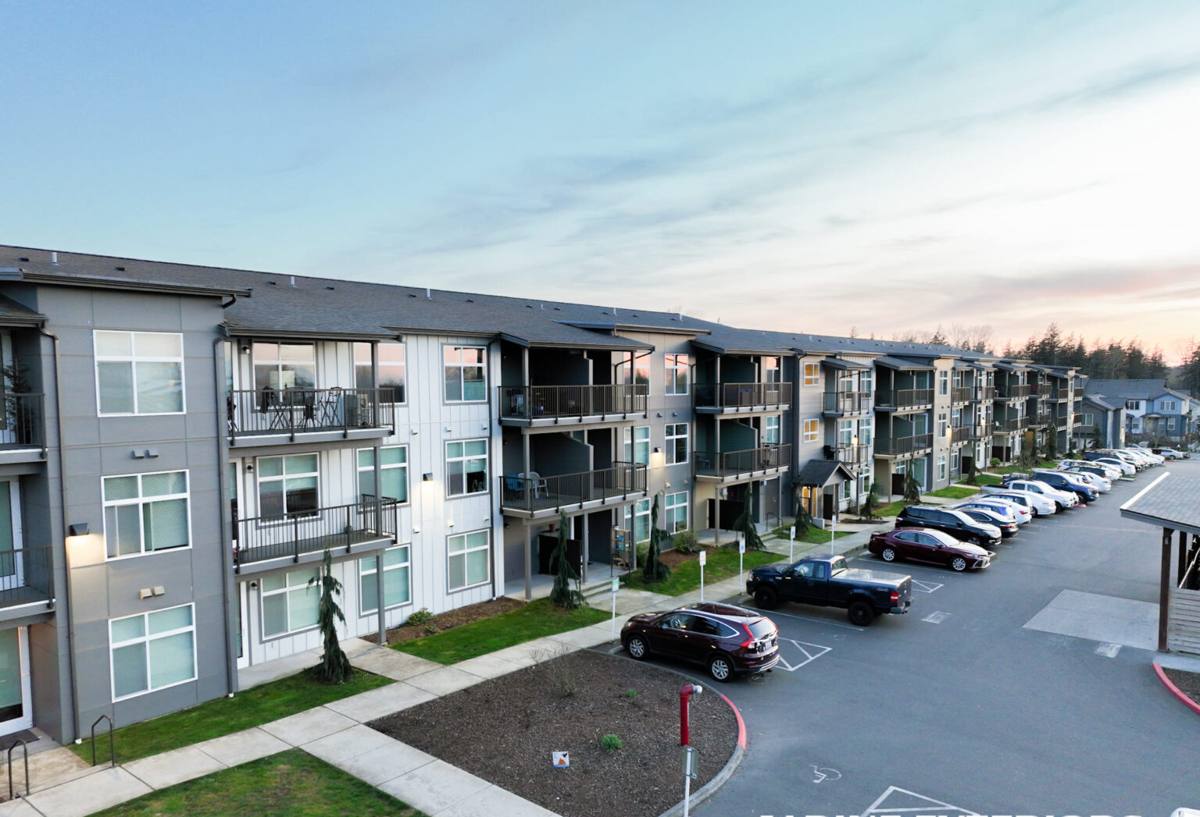
What Birch Bay's Climate Does to Existing Siding
Salt Air and Corrosion
Being on the water means Birch Bay homes take on more direct salt exposure than most of the surrounding county. Salt accelerates corrosion in fasteners, flashing, and any exposed metal trim, and it can break down lower-grade finishes faster than a drier or more sheltered location would. By the time a homeowner is considering full replacement, it's common to find corroded nail heads, rusted flashing at window and door heads, and finish failure that started at fastener points long before it spread across the field of the wall.
Driving, Wind-Driven Rain
Waterfront exposure also means more wind, and wind-driven rain doesn't behave like a straight vertical rainfall. It gets pushed sideways into lap joints, trim intersections, and anywhere flashing wasn't detailed correctly the first time. This is one of the biggest differences between a Birch Bay replacement and an inland one: water intrusion here is much more likely to come in horizontally, which means the weather-resistive barrier, flashing, and drainage plane behind the siding matter as much as the siding material itself.
A Long Moss and Mildew Season
Mild temperatures, shade, and near-constant moisture add up to a moss and mildew season that can run most of the year on the shadier sides of a house. Older siding — especially anything with a painted or site-finished surface — tends to hold moisture at the surface and give organic growth something to root into. That's usually one of the visible signs that pushes a homeowner from "this needs cleaning" to "this needs replacing."
Signs a Birch Bay Home Needs Full Siding Replacement
Not every issue calls for a full tear-off. But on a shoreline exposure like this one, certain signs mean patching or repainting is just delaying a bigger problem. Signs worth taking seriously include:
- Soft, spongy, or crumbling spots when you press on the siding, which usually means moisture has already reached the sheathing behind it
- Visible warping, cupping, or buckling panels, especially on walls that face the wind or get the most direct rain
- Paint or finish that's failing across large sections rather than in one isolated spot
- Persistent moss or mildew that comes back within a season or two of cleaning
- Rust streaking below fasteners or trim, a sign the metal underneath is breaking down
- Rising interior humidity, musty smells, or peeling interior paint on exterior-facing walls
- A siding system that's already had multiple patch repairs and is starting to look inconsistent wall to wall
If more than one or two of these show up at the same time, it's usually a sign the whole system — not just the visible surface — has reached the end of its useful life.
Why We Replace With James Hardie Fiber Cement Only
When we tear off old siding on a Birch Bay home, we replace it with James Hardie fiber cement exclusively. We don't install LP SmartSide, vinyl, Cemplank, Allura, primed spruce, or cedar. That's a professional standard we've settled on, not a sales preference, and it's based on what holds up in exactly this kind of coastal, high-moisture environment:
- Non-combustible core: Fiber cement doesn't feed a fire the way wood-based products can, which matters for safety and can matter for insurance.
- Factory-applied ColorPlus finish: Baked on under controlled conditions rather than brushed on in the field, it holds color and resists chalking and moisture damage far longer than site-applied paint — a real advantage where salt air degrades finishes faster.
- Climate-engineered HZ5 formulation: Hardie builds specific product lines for regions with heavy moisture and freeze-thaw cycling, which describes shoreline Whatcom County well.
- Dimensional stability: Fiber cement doesn't swell, warp, or cup the way engineered wood can after repeated wet-season exposure — one of the most common failure patterns we see on tear-offs.
- A strong, transferable warranty: Hardie backs the product with one of the more robust warranty structures in the industry, provided the installation follows their spec.
Each of the products we don't install has a legitimate place in the market, and plenty of homeowners elsewhere are satisfied with them. On a shoreline exposure like Birch Bay, though, we've made the call that we'd rather stand fully behind one system than offer something cheaper that shifts more long-term maintenance risk onto the homeowner.
What a Correct Replacement Involves — Not Just New Panels
Inspecting What's Behind the Old Siding
A full tear-off is the one chance to see what's actually happening underneath — something a re-side over existing siding never reveals. On coastal homes we routinely find sheathing that's soft or delaminated near past leak points, insulation that's held moisture, and framing that needs to be dried out or repaired before anything new goes on. Replacing the visible surface without addressing what's underneath just seals the same problem back in.
Weather-Resistive Barrier and Flashing for Wind-Driven Rain
Given how much wind-driven rain matters on this stretch of coastline, the housewrap or weather-resistive barrier, window and door flashing, and drainage plane behind the siding get as much attention as the siding itself. That includes proper lapping and taping of the barrier, correctly integrated flashing at every penetration, and — where called for — a rain-screen gap that lets any water that does get behind the siding drain and dry out instead of sitting against the wall assembly.
Fastening, Clearances, and Trim Detail
Fiber cement only performs the way it's engineered to when it's installed to Hardie's published specifications: correct fastener type and spacing, proper clearance from grade, roofline, and decks, and factory-mitered or properly sealed joints. A Hardie product installed loosely will still develop moisture problems in a climate like this one — the installation is what makes the material's engineering actually count.
Our Siding Replacement Process
- On-site inspection and estimate. We look at the existing siding, trim, and visible signs of moisture or damage, and walk through what a full replacement will involve on your specific home.
- Tear-off. Old siding and trim come off down to the sheathing, giving us a full look at what's underneath before anything new is planned or priced further.
- Sheathing and framing repair. Any soft, damaged, or moisture-compromised sheathing and framing gets repaired or replaced before the new weather barrier goes on.
- Weather barrier and flashing installation. Housewrap, window and door flashing, and drainage detailing are installed to handle wind-driven rain specifically, not just vertical rainfall.
- James Hardie installation. Panels, lap siding, or trim are installed to Hardie's spec, with attention to fastener corrosion resistance given the salt air exposure.
- Final trim, caulking, and cleanup. Joints and transitions are sealed with coastal-grade materials, and the site is cleaned up before we walk the job with you.
What Drives the Cost of a Siding Replacement
Every home is different, but the same handful of factors tend to move the price up or down on a Birch Bay replacement. This isn't a quote — it's meant to help you understand what a contractor is actually pricing when they walk your home.
| Factor | Why It Affects Cost |
|---|---|
| Extent of sheathing/framing damage found at tear-off | Hidden moisture damage behind old siding is common on coastal homes and adds repair scope once discovered |
| House size and wall complexity | More corners, dormers, and trim details mean more labor and material cutting |
| Siding profile chosen | Lap siding, shingle-style panels, and board-and-batten each carry different material and install costs |
| Current number of siding layers | Some older homes have siding installed over siding, which adds tear-off labor |
| Trim and accessory scope | Fascia, soffit, and window/door trim replacement alongside the siding adds to the total but improves the moisture barrier as a whole system |
| Access and site conditions | Slope, landscaping, and how close the home sits to property lines can affect staging and labor time |
Questions Worth Asking Before You Sign a Contract
- Will you inspect the sheathing at tear-off before finalizing the scope, or is the price locked in sight unseen?
- What weather-resistive barrier and flashing details do you use, specifically for wind-driven rain?
- Is the manufacturer's installation spec being followed, or just a general approximation of it?
- What's covered under the material warranty versus the labor warranty, and for how long?
- Have you replaced siding on other homes in Birch Bay or similar shoreline conditions?
Why Local, Birch Bay-Specific Experience Matters
A siding replacement crew that mostly works drier, inland neighborhoods can still do competent general carpentry, but they may not have hands-on experience with what this particular shoreline throws at a building envelope. A crew that already works Birch Bay and the surrounding Whatcom County coastline has seen how salt air degrades specific fastener types, where wind-driven rain actually finds its way into a typical wall assembly here, and how long a given detail holds up once the next wet season hits. That experience shows up in the small decisions — flashing laps, fastener choice, rain-screen detailing — that don't show up on a spec sheet but decide whether the job lasts fifteen years or thirty.
We're based in Whatcom County and do this kind of coastal work regularly, which means we're not learning the local conditions on your project. We also handle roofing, windows, and decks, and we treat siding as one part of a connected exterior envelope rather than an isolated job — because on a home exposed to this much wind and moisture, those systems all affect each other.
If your Birch Bay home is showing signs it's time for a full siding replacement, we're happy to take a look and walk you through what we find — no pressure, no obligation. Reach out using the form below to schedule a free estimate.