 Lynden Siding
 Windows Built for the Abbotsford Climate
Abbotsford sits in the Fraser Valley just north of the Whatcom County line, and it gets the same weather pattern that wears down homes on our side of the border: long wet winters, salt-tinged air pushing in off the Salish Sea, wind-driven rain that finds every weak seam, and a moss season that seems to stretch longer every year. Windows are one of the first places that weather shows up. Old seals fog. Frames swell, stick, or rot at the corners. Aluminum sashes pit and corrode. None of that is a defect in your house — it's just what this climate does to windows that were never built or installed for it.
A correctly installed custom window is one of the more cost-effective upgrades you can make to an older Abbotsford home. It's not just about a fresh look. It's about stopping moisture intrusion at the frame, cutting the draft that makes your furnace run longer than it should, and giving you glass that won't cloud up within a decade.
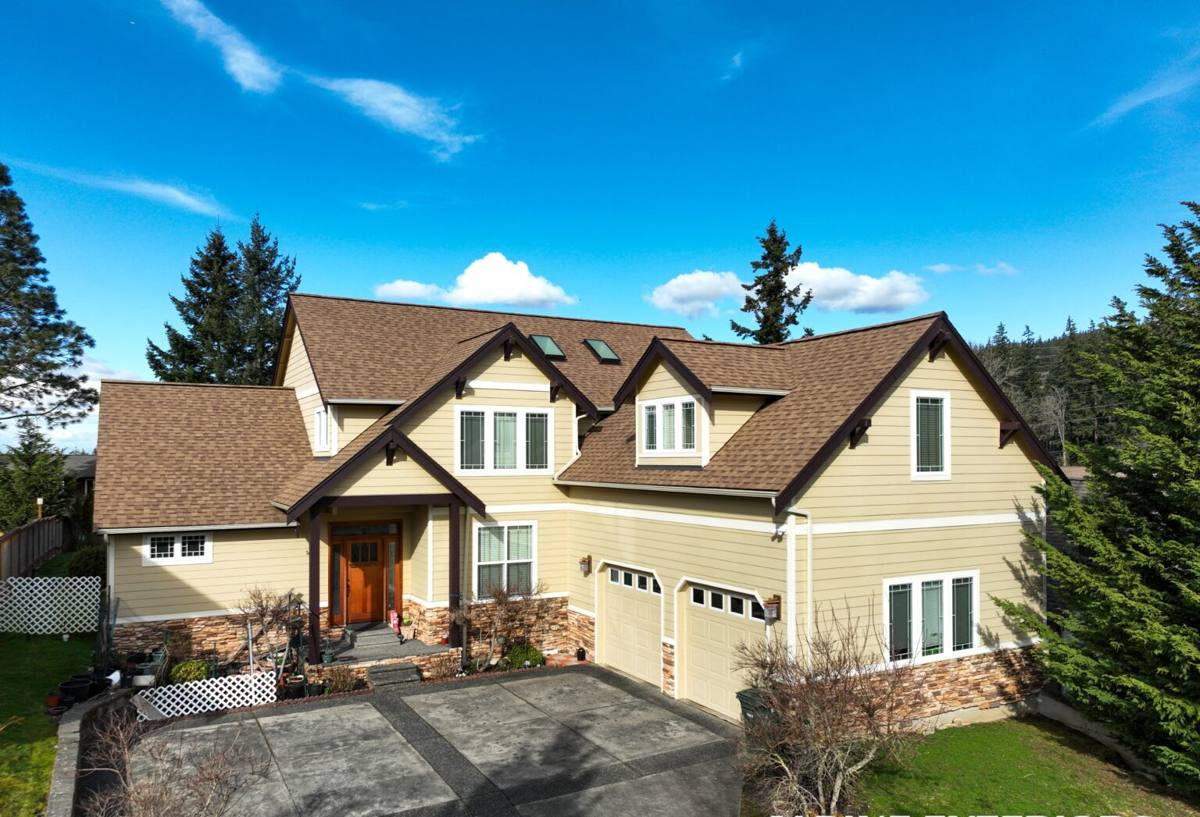
Signs Your Windows Are Losing the Fight
Most homeowners don't think about window condition until something forces the issue — a stuck sash in a storm, or a bill that jumped without explanation. Here's what we look for when we walk a property in this area:
- Fog, haze, or moisture trapped between panes (the seal has failed and the gas fill is gone)
- Frames that feel soft, spongy, or show dark staining at the corners
- Visible gaps between the frame and siding, or daylight around the sash when closed
- Paint or finish that's peeling from the inside out, a sign moisture is working through the frame
- Windows that are hard to open, close, or lock — often from swelling or warping
- Condensation on the inside of the glass during cold snaps
- Noticeable draft near the window even with it fully latched
- Moss or algae staining building up on sills and exterior trim
One or two of these on a single window is often a repair. Several of these across the house usually means the windows are at or past the end of their useful life.
What "Custom" Actually Means for Your Home
Custom doesn't mean expensive for its own sake — it means the window is built to your home's actual openings and exposure, not pulled off a shelf in a standard size. Most Abbotsford homes we look at have at least a few openings that don't match modern stock sizing, especially in older construction or additions built over time. Custom manufacturing means:
Exact-Fit Sizing
Every opening is measured on site. That eliminates the shims, filler panels, and gapped trim that come with forcing a stock size into a non-standard rough opening — and every one of those workarounds is a future leak point.
Exposure-Specific Glass and Frame Choices
A window facing prevailing wind and rain on the west or south side of your home needs a different glass package and flashing detail than a sheltered window on the north side. We spec each opening for its actual exposure, not a one-size answer for the whole house.
Matched Sightlines and Grille Patterns
On a full-house replacement, keeping consistent sightlines and grille styles across the elevation matters for resale value and curb appeal — something that's easy to get wrong when windows are ordered piecemeal.
Material and Glass Options
There's no single "best" window material — the right call depends on your home's age, your maintenance appetite, and your budget. Here's how the common options stack up for a climate like ours:
| Material | Moisture Resistance | Maintenance | Typical Fit |
|---|---|---|---|
| Vinyl | Strong — won't rot or corrode | Low; occasional cleaning | Most budgets, most home styles |
| Fiberglass | Very strong; dimensionally stable in temperature swings | Low | Homes wanting a slimmer profile or paintable finish |
| Wood-clad | Good on the exterior clad face; interior wood needs care | Higher — periodic finish upkeep | Character or heritage-style homes |
| Aluminum | Prone to condensation and corrosion in salt-air exposure | Moderate | We generally steer clients away from this in our climate |
We don't push aluminum-frame replacements in this region. It's not that the material is worthless everywhere — it's that in a salt-air, high-moisture climate it conducts cold straight through the frame, invites condensation, and pits over time. We'd rather tell you that up front than sell you a window that disappoints you in five years.
Glass Packages
Double-pane with low-E coating and argon fill is the baseline we recommend for this area. Triple-pane adds real value on north- and west-facing walls, near roadways, or in rooms where you want the extra sound dampening — but it's a heavier, pricier unit, and not every opening needs it. We'll tell you honestly where it's worth it and where it isn't.
How We Install — And Why the Install Matters More Than the Window
The single biggest failure point in window replacement isn't the product — it's the installation. A premium window installed with a poor moisture plan will leak. A mid-range window installed correctly will outperform it. Here's our process:
- On-site measurement and exposure assessment — every opening measured individually, noting sun, wind, and rain exposure
- Removal of the old unit down to the rough opening, checking the sheathing and framing underneath for hidden rot before anything new goes in
- Flashing and moisture barrier repair — integrating new flashing tape and sill pan with the existing water-resistive barrier so water is directed out, not trapped behind the new frame
- Setting and shimming the window plumb, level, and square — a window that's slightly out of square will bind, leak, or fail its seal early
- Low-expansion foam and backer rod sealing around the frame perimeter, not just caulk alone
- Exterior trim and caulking finished to shed water, with attention to the bottom sill where standing water and moss tend to collect
- Interior finish work and a final operation check on every unit before we call the job done
If we find rot or compromised framing behind an old window, we'll show you before we close anything up. Covering a hidden problem with a new window is how homeowners end up paying for the same repair twice.
What Affects the Cost
Every home is different, but these are the factors that actually move the price on a custom window job:
| Factor | Why It Matters |
|---|---|
| Number and size of openings | More or larger windows means more material and labor |
| Material (vinyl vs. fiberglass vs. wood-clad) | Frame material is a major cost driver |
| Glass package (double vs. triple pane, coatings) | Performance glass costs more but pays back in comfort and energy use |
| Condition of the existing rough opening | Hidden rot or framing repair adds time and material |
| Access and story height | Second-story or hard-to-reach windows take more setup |
| Custom shapes or non-standard sizes | Arched, angled, or oversized units require special manufacturing |
We won't quote a whole-house number sight unseen, and we're wary of anyone who will. A proper estimate comes after we've actually looked at your openings.
Why a Crew That Already Works the Abbotsford Area Helps
Abbotsford is a short drive from our home base in Lynden — close enough that scheduling, follow-up visits, and warranty service aren't a logistics headache. A crew that regularly works this stretch of the Fraser Valley and Whatcom County corridor already understands the border crossing routine for hauling materials and equipment, knows how weather patterns differ block to block between the valley floor and the higher ground toward the foothills, and isn't learning your municipality's permitting process for the first time on your job. That familiarity shows up in fewer surprises and a smoother project from measurement to final walkthrough.
It also means we're not disappearing after the install. If a seal ever looks off or a sash isn't operating the way it should, we're close enough to come back and make it right without it becoming a project of its own.
Maintaining Your New Windows in This Climate
Custom windows installed correctly need very little upkeep, but a few habits extend their life significantly here:
- Rinse salt residue and grime off frames and glass a couple times a year, especially on wind-exposed sides
- Keep gutters and downspouts clear so runoff isn't sheeting directly down over window heads
- Clear moss and debris from sills before it holds moisture against the frame
- Check exterior caulking annually and touch up any cracked or separated beads
- Operate every window a few times through the year so hardware doesn't seize up from disuse
Get a No-Pressure Estimate
If your windows are drafty, fogged, hard to operate, or just showing their age, we're glad to come take a look and give you a straight answer — including telling you if a repair makes more sense than full replacement. Use the form below to request a free estimate for your Abbotsford-area home.