 Lynden Siding
 Window Replacement Built for the Wiser Lake Climate
Wiser Lake sits in a pocket of Whatcom County where the weather doesn't do anything in half measures. Homes here take on wind-driven rain off the lake and the open farmland around it, long stretches of gray damp that keep wood and trim wet for days at a time, and a moss season that can run from October through May. None of that is unusual for this part of Washington, but it does mean window replacement isn't a cosmetic project out here — it's a maintenance decision that affects how dry and efficient the rest of the house stays.
Old aluminum-frame windows and early-generation vinyl units that were common on homes built in the 1970s through 1990s are reaching the point where their seals, balances, and weep systems are failing. When that happens near a body of water like Wiser Lake, moisture finds the gaps fast. This page covers what a correct window replacement looks like for homes in this specific area, not a generic rundown of window brands.
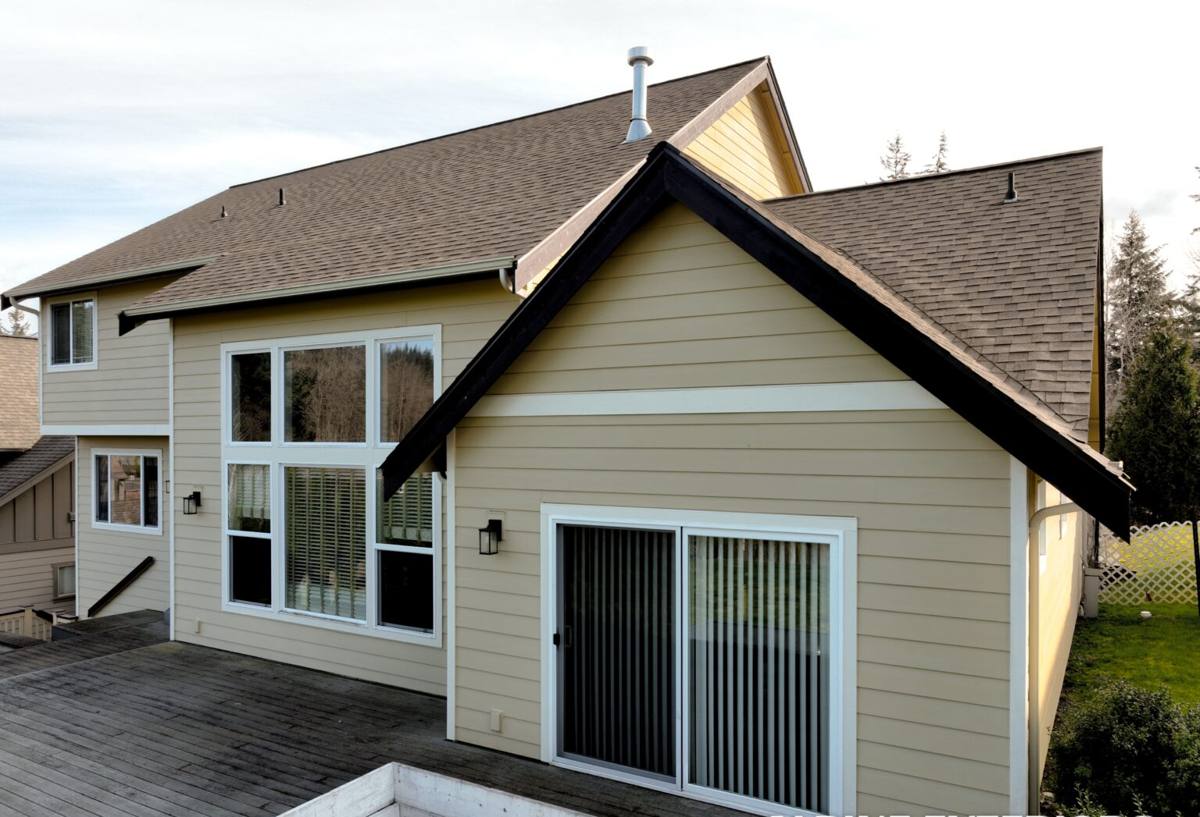
What Lynden's Climate Actually Does to Windows
Whatcom County's marine-influenced climate means windows here deal with a different combination of stress than windows in drier parts of the state. A few things stand out around Wiser Lake specifically:
- Driving rain during winter storms pushes water sideways into window assemblies, not just straight down — this is what exposes weak flashing and undersized sills.
- Persistent humidity and shade from mature trees around the lake keeps sills and lower sashes damp longer after a storm than an equivalent window in an open, sunny yard.
- Salt-influenced air moving inland off the Salish Sea contributes to corrosion on older aluminum frames and hardware over time, even this far from the water's edge.
- A long moss and algae season that keeps organic growth on north- and west-facing exteriors for much of the year, which holds moisture against trim and sills longer than a drier climate would allow.
None of that means windows in Wiser Lake need to be exotic. It means the installation details — flashing, sealant choice, sill pitch, and drainage — matter more here than they would in a milder climate, because there's less margin for error before water finds a way in.
Signs a Wiser Lake Home Needs Window Replacement
Homeowners in this area usually notice a handful of consistent warning signs before they call for an estimate. Worth checking before winter sets in again:
- Condensation or fogging between the panes of a double-pane window — the seal has failed and the gas fill (or airspace) is compromised.
- Soft or discolored wood trim around the window opening, especially on the sill or lower corners.
- Visible daylight or a draft you can feel with a hand near the frame on a windy day.
- Windows that are difficult to open, close, or lock, often from swollen wood or a warped vinyl frame.
- A noticeable jump in heating costs during the wettest, windiest months of the year.
- Moss or dark streaking building up on the sill or the siding just below the window — a sign water is draining somewhere it shouldn't.
Any one of these on its own isn't necessarily an emergency. Several of them together, especially on the west- or south-facing side of the house where storms hit hardest, usually means the window and possibly the surrounding wall assembly are due for attention.
What a Correct Window Replacement Job Actually Involves
A window replacement done right is mostly about what happens before and after the new window goes in, not the window itself. The steps that matter most in a climate like this:
Removing the old unit without damaging the opening
The old window and any deteriorated trim or sheathing around it come out carefully so we can see the actual condition of the rough opening — not just the window that was covering it up.
Inspecting and repairing the rough opening
This is the step that gets skipped by crews trying to move fast. If there's soft sheathing, rotted framing, or old flashing that's failed, it gets addressed before a new window ever goes in. Installing a new window into a compromised opening just delays the same problem by a few years.
Flashing and water management
Proper flashing directs water that gets past the window — and some always will, over decades of weather — down and out of the wall assembly instead of into it. This includes sill pan flashing, side flashing that laps correctly with the house wrap, and head flashing above the unit. Given how much wind-driven rain this area sees, this is the single most important step in the whole job.
Setting, shimming, and sealing the window
The window gets set level and square, shimmed so it isn't stressed or bowed, and sealed with the right products at the right points — not just a bead of caulk around the outside trim. Interior air sealing matters too, since gaps there let humid indoor air condense inside the wall cavity.
Trim, siding tie-in, and cleanup
Exterior trim gets reinstalled or replaced to match, siding is tied back in cleanly, and the interior is finished so the new window looks like it belongs, not like it was dropped in.
Frame Material Options for This Climate
There's no single "best" window material for every home — it depends on the house, the budget, and how much upkeep an owner wants to take on. Here's how the common options actually perform around Wiser Lake:
| Frame Material | How It Handles This Climate | Maintenance |
|---|---|---|
| Vinyl | Good moisture resistance, doesn't corrode; quality varies a lot between manufacturers | Low — occasional cleaning |
| Fiberglass | Very stable in temperature swings and wet conditions; holds paint well if a custom color is wanted | Low |
| Wood (clad exterior) | Excellent look, but the exposed wood interior needs protection from interior humidity; cladding protects the exterior side | Moderate |
| Aluminum | Prone to condensation and corrosion in damp, salt-influenced air unless thermally broken | Higher over time |
We steer most homeowners in this area away from non-thermally-broken aluminum for new installations, not because it's a bad product everywhere, but because it's a poor match for the specific combination of moisture and marine air this location sees. That's a maintenance-and-performance call, not a knock on any manufacturer.
Glass Packages Worth Considering
Double-pane, low-E glass is the practical standard for this area and handles the climate well at a reasonable cost. Triple-pane glass adds insulation value and sound dampening, which some homeowners near busier roads or with west-facing exposure to storms find worthwhile, but it's a real cost increase and not necessary for every home. We'll talk through whether it makes sense for your specific windows rather than upselling it across the board.
Our Process for Wiser Lake Window Projects
- Walkthrough and assessment — we look at every window being considered, check the condition of the surrounding trim and sheathing where visible, and note which exposures are taking the most weather.
- Honest recommendation — not every window on a house needs replacing at the same time. We'll tell you which ones are urgent and which can wait.
- Written estimate — clear pricing by window, with material options explained in plain terms.
- Scheduling around the weather — we plan installs to minimize how long any opening is exposed, which matters more here than in drier climates.
- Installation with proper flashing and sealing — as detailed above, this is where the job is actually won or lost.
- Final walkthrough — checking operation, seals, and trim before we consider the job done.
Cost Factors Homeowners Should Understand
Window replacement pricing depends on more than the window itself. The factors that move the number most for Wiser Lake homes:
- Whether the rough opening is in good shape or needs framing or sheathing repair.
- Frame material and glass package selected.
- Number of windows done at once — bundling multiple windows into one project usually lowers the per-window cost.
- Whether it's a straightforward replacement into an existing opening versus a resize or new opening.
- Custom shapes or larger picture windows, which cost more to manufacture and install than standard sizes.
- Access — second-story or hard-to-reach windows take more time and equipment.
Broad ballpark ranges vary widely based on all of the above, which is why we walk every home in person rather than quoting sight unseen. A single standard vinyl window replacement and a full-house project with rot repair and custom sizing are not the same conversation.
Why a Locally Experienced Crew Matters Here
Window replacement isn't a specialty product installed the same way in every climate. A crew that's used to houses in drier regions of the state may not think twice about a flashing detail that's genuinely optional there but is the difference between a dry wall cavity and a slow rot problem here. Working regularly in and around Lynden and the Wiser Lake area means we already know which exposures on a typical local house take the worst of the wind-driven rain, how the moss and shade patterns around the lake tend to hold moisture against certain walls, and what a rough opening in a house of this area's typical age and construction usually looks like once the old window comes out.
That familiarity shows up in small decisions — sill pan flashing on every job regardless of whether the old window had it, sealant choices rated for constant damp exposure rather than intermittent, and scheduling that accounts for how quickly weather can turn here. It's not glamorous work, but it's the difference between a window that's still performing in twenty years and one that starts leaking again in five.
Permits and Energy Code Notes
Window replacement in Whatcom County, including in the Lynden area, may require a permit depending on the scope of the work — particularly if openings are being resized or structural framing is involved. Washington's energy code also sets minimum performance requirements for replacement windows. We handle the permitting conversation as part of the estimate process so there are no surprises partway through the project, and we'll make sure whatever's installed meets current code requirements for the area.
Get a Free, No-Pressure Estimate
If your windows in the Wiser Lake area are showing their age — fogged glass, drafts, sticking sashes, or trim that's starting to go soft — it's worth getting a straightforward look before another wet season adds to the damage. Use the form below to request a free estimate, and we'll walk the house, tell you honestly what needs attention now versus what can wait, and put together clear pricing with no pressure to decide on the spot.