 Lynden Siding
 Storm Damage Roof Repair for Acme Homes
Acme sits in the wooded foothill country east of Lynden, where tall timber, narrow valleys, and the pull of the Nooksack River drainage combine to create weather conditions most roofers in flatter parts of Whatcom County rarely deal with. Homes here take a different kind of beating than a house on open ground closer to town. Wind doesn't just blow across the roof, it funnels and gusts unpredictably through tree cover, dropping limbs and debris in storms that might barely register a mile away. Add in the driving rain that rolls off the Strait of Georgia and up the valley, and a moss season that runs longer here than almost anywhere else in the county, and you have a roof that needs repairs done with the local conditions in mind, not a generic patch job.
We work on homes throughout the Lynden area, and Acme's roofs come with their own patterns of damage. If you've had a storm come through and you're seeing new leaks, missing shingles, or debris on the roof, this page walks through what an honest, correctly done storm damage repair looks like for a home in this specific setting.
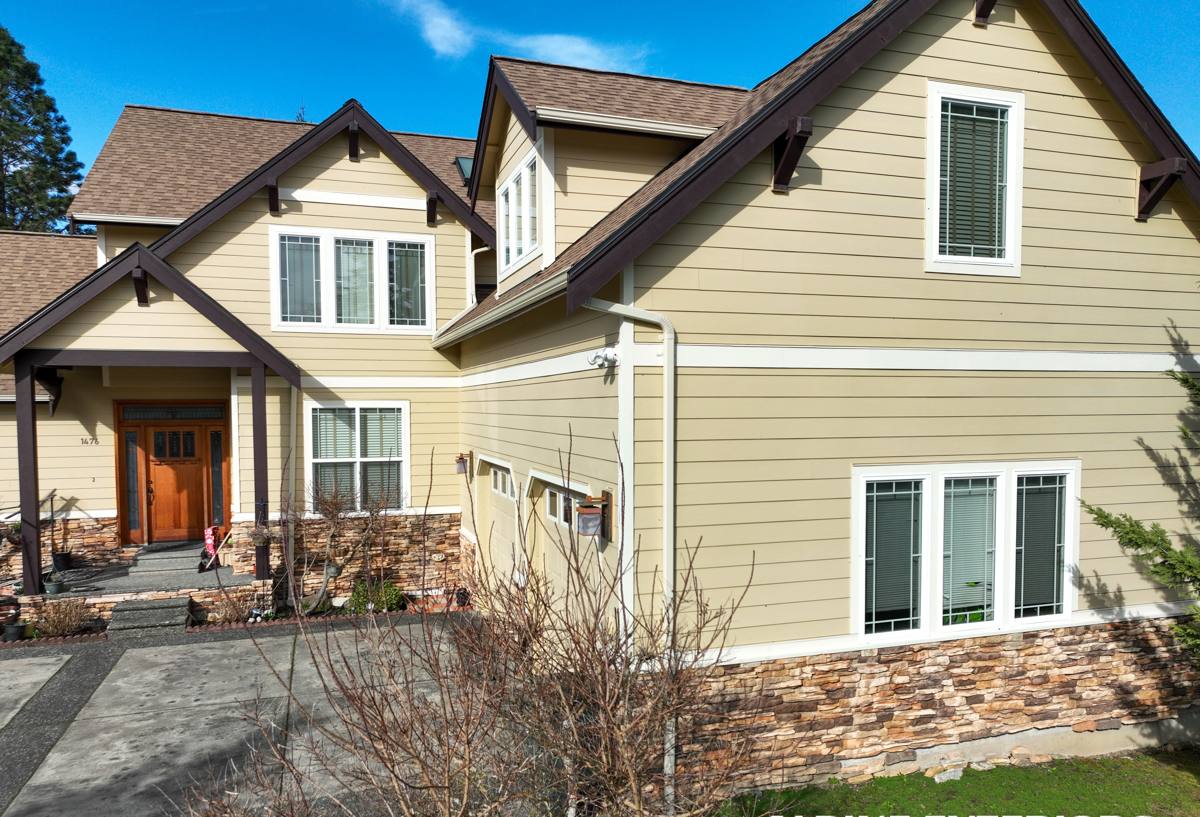
Why Acme's Setting Changes the Repair Approach
Tree Cover and Wind-Driven Debris
A lot of Acme properties sit close to mature fir, cedar, and maple stands. That's part of what makes the area beautiful, but it also means storm damage here is more often caused by falling limbs, entire branches, or wind-flung debris than by wind alone lifting shingles off a bare roof. A repair crew that hasn't worked wooded properties before can miss impact damage that doesn't show as an obvious hole — a cracked shingle mat or a bruised layer that looks fine until the next hard rain finds its way through.
Extended Moss Season
Shade from surrounding trees keeps roof surfaces damp longer after a storm than an open, sun-exposed roof would stay. That extra moisture window is exactly what moss and moss-related organisms need to get established. Moss doesn't just look bad — it holds water against the roofing material, works into shingle tabs and seams, and can accelerate deterioration around any storm-damaged area that isn't fully dried out and sealed during repair.
Driving Rain and Valley Wind
Storms moving inland from the coast pick up speed and direction changes as they funnel through the foothill terrain around Acme. That means rain often hits roof edges, valleys, and flashing details at an angle, rather than falling straight down. Any repair that doesn't account for wind-driven rain at flashing points, ridge caps, and valleys is a repair that's likely to leak again in the next storm, even if it looked solid on a calm day.
What Storm Damage Actually Looks Like Here
Not all storm damage is obvious from the ground. Some of it hides in plain sight until it's caused an interior leak. Common patterns we see on Acme roofs after a wind or rain event include:
- Torn, lifted, or missing shingles, usually starting at ridges, edges, or valleys where wind uplift is strongest
- Impact damage from falling branches or limbs, ranging from cracked shingles to punctured decking
- Flashing pulled loose or bent around chimneys, skylights, and roof-to-wall intersections
- Granule loss on shingles from wind-driven debris scouring the surface
- Clogged or damaged gutters and downspouts from needle and leaf debris, backing water up under the roof edge
- Existing moss colonies loosened by wind and rain, exposing bare or weakened shingle underneath
The tricky part is that several of these can exist on the same roof at once after a single storm, and only some of them are visible without getting on the roof and checking closely.
Our Storm Damage Repair Process
1. Full Roof Assessment, Not Just a Spot Check
We inspect the entire roof surface, not just the area where a leak showed up inside the house. Water travels along decking and rafters before it drips through a ceiling, so the visible leak point and the actual damage point are often several feet apart. We also check flashing, valleys, and gutter attachment points, since those are common failure spots during wind-driven rain events.
2. Honest Damage Classification
Not every storm mark needs a full repair. We separate cosmetic granule loss from structural issues like torn underlayment or compromised decking, and we tell you plainly which is which. If a section is repairable rather than requiring replacement, we say so — and if a repair would just be a temporary patch on a roof nearing the end of its service life, we'll tell you that too.
3. Matching Repair Materials
Where possible, we match existing shingle style, color, and profile so the repaired section blends in rather than creating an obvious patch. On older roofs where exact matches aren't available, we discuss realistic options with you before starting the work.
4. Sealing for the Next Storm, Not Just This One
Given how often Acme roofs face wind-driven rain, every repair includes proper flashing reseal and shingle sealing designed to hold up under angled rain, not just straight-down rain. This is where a lot of quick patch jobs fail — they solve today's leak but aren't detailed enough to survive the next valley windstorm.
5. Debris and Moss Cleanup
Since storm debris and moss growth often go hand in hand on shaded roofs, we clear debris from valleys and gutters and address moss in and around the repair area as part of the job, so the fix isn't undermined by trapped moisture within a season or two.
Repair vs. Replacement: How We Help You Decide
Storm damage doesn't always mean a new roof, but it's a common trigger point for that conversation, especially on a roof that was already getting older. Here's a general framework for how we think through it with homeowners:
| Situation | Typical Approach | Why |
|---|---|---|
| Isolated wind or impact damage on a roof under 10-12 years old | Targeted repair | Surrounding material is still sound; a matched repair holds up fine |
| Storm damage plus widespread granule loss or brittle shingles | Repair now, plan replacement | Patching buys time, but the roof's overall lifespan is limited |
| Damage concentrated where moss has been established for years | Repair plus moss remediation | Moss-softened decking underneath needs to be checked, not just covered |
| Multiple leak points or damage across several roof planes | Full inspection before any repair quote | Piecemeal repairs on a failing roof rarely hold value |
We'll never push replacement when a repair is the honest answer, and we won't recommend a patch on a roof that's clearly at the end of its usable life. The goal is a straight answer, not an upsell.
What a Correct Repair Involves — A Homeowner's Checklist
If you're getting quotes for storm damage repair in Acme, here's what a thorough job should include, so you can compare estimates on an apples-to-apples basis:
- A written assessment of all damage found, not just the area you reported
- Confirmation of decking condition underneath damaged shingles before re-covering
- Matched or clearly explained shingle material for the repair area
- Flashing inspection and reseal at any chimneys, skylights, or valleys near the damage
- Gutter and downspout check to confirm water is actually draining away from the repair
- Moss or debris cleanup in and around the affected area
- A clear explanation of what's covered under the repair and what to expect going forward
Working With Insurance Claims
Many storm repairs in this area involve a homeowner's insurance claim. We can provide a clear, documented assessment of the damage that you can submit with your claim, and we're happy to walk through what we found with your adjuster if that's helpful. We don't inflate damage reports to pad a claim — an accurate assessment protects you better in the long run than an exaggerated one that raises questions.
Preventing the Next Storm From Causing the Same Damage
Because Acme's tree cover and terrain aren't going anywhere, a one-time repair without any follow-up maintenance often just means the same failure points get tested again in the next storm. A few things worth discussing at the time of repair:
- Trimming back branches that overhang the roof, where that's practical for the property
- Scheduling gutter cleaning before the wet season ramps up, since clogged gutters compound wind-driven rain damage
- Addressing moss proactively rather than waiting for it to loosen shingles during the next windstorm
- Checking attic ventilation, since trapped moisture under a shaded, damp roof accelerates deterioration from the inside out
Why a Crew That Already Works Acme Matters
Roofing crews that mostly work open, sun-exposed neighborhoods closer to central Lynden don't always think to check for the failure patterns that show up on shaded, tree-lined Acme properties — impact damage hidden under moss, decking softened by years of shade and moisture, or flashing that needed a different seal approach because of how wind-driven rain hits it in this terrain. Working this area regularly means we know what to check for before it becomes a bigger problem, and we're not learning the local conditions on your roof.
We're also a local crew in a practical sense: if a repair needs a follow-up visit, or if a second storm rolls through before the first repair fully cures, we're not driving in from out of the area to take care of it.
Get a Straight Answer on Your Roof
If a recent storm has left you with a leak, missing shingles, or debris damage on your Acme home, we're glad to come take a look. We'll give you an honest assessment of what's actually damaged, what it needs, and what it doesn't — no pressure, no inflated scope. Reach out using the form below for a free estimate.