 Lynden Siding
 Deck Repair Built for Nooksack's Weather, Not a National Checklist
Decks in the Nooksack area take a different kind of beating than decks in drier parts of the state. Marine-influenced air moving up the valley keeps humidity high most of the year, driving rain comes in sideways during fall and winter storms, and the long stretch of overcast, wet weather from October through April gives moss and algae months to get established on any surface that doesn't drain or dry quickly. None of that is dramatic on its own, but stacked together year after year, it's exactly the kind of slow, quiet exposure that rots ledger boards, loosens fasteners, and turns a solid deck into a liability before most homeowners notice anything wrong.
This page is about one job, done right, in one area: repairing decks for homes in and around Nooksack and Lynden. Not a general "deck services" pitch — the specific problems this climate causes, what an honest repair actually involves, and how we approach it as a crew that already works this part of Whatcom County.
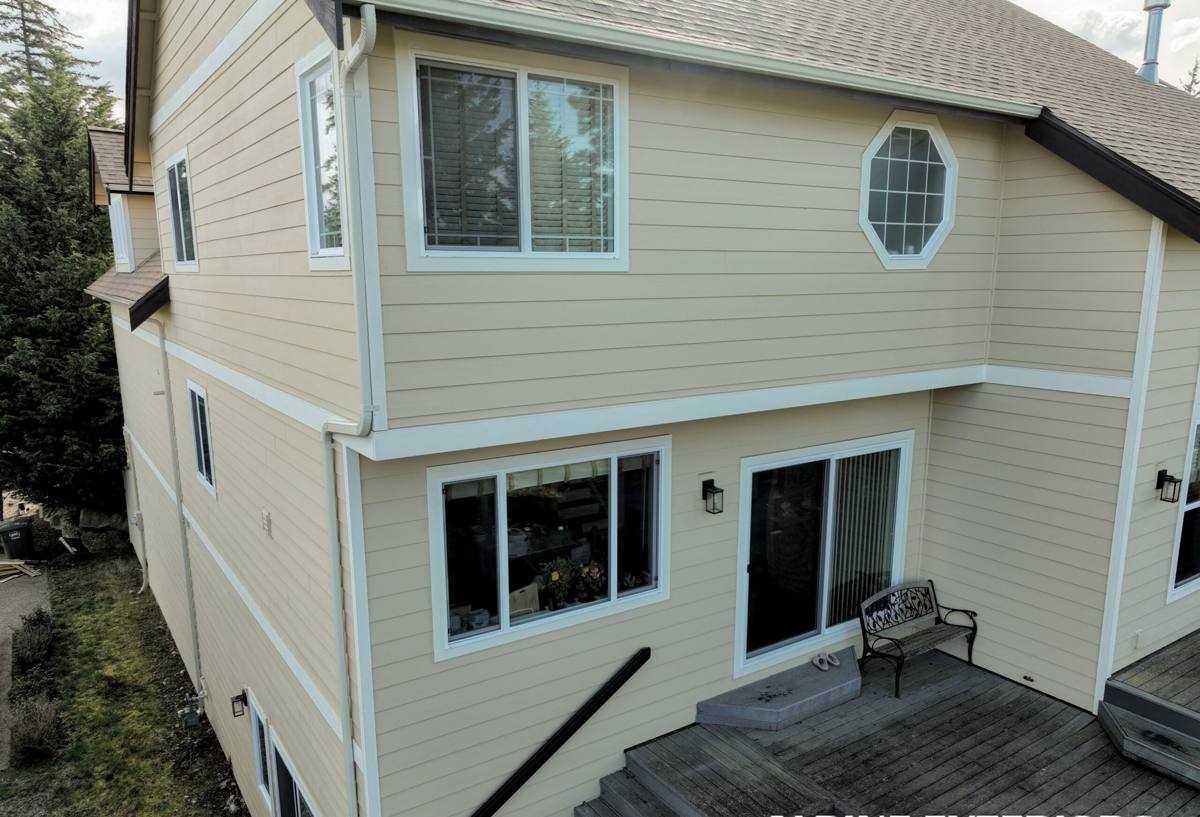
Why Local Decks Fail Here Faster Than the Manual Says
Most decking material — wood or composite — is rated and marketed based on general national exposure standards. Whatcom County's combination of prolonged dampness, moss growth, and driving rain isn't what those ratings are built around. A few specific ways that plays out:
- Moss and algae hold moisture against the surface. Once established, moss doesn't just look bad — it traps water against boards and fasteners, slowing evaporation and accelerating rot underneath a surface that still looks intact from a few feet away.
- Driving rain gets under things that would stay dry elsewhere. Flashing, ledger connections, and stair stringers that would be fine in a light, straight-down rain get saturated when wind pushes rain sideways and upward into gaps.
- Long wet seasons mean long exposure windows. A deck here doesn't just get rained on — it stays damp for days at a stretch, which matters far more to wood and fastener longevity than total annual rainfall does.
- Freeze-thaw cycles, even mild ones, work on compromised wood. Whatcom County doesn't get brutal winters, but the freeze-thaw swings that do happen are enough to widen cracks in wood that's already softened from moisture.
Cosmetic Wear vs. Structural Problems
Homeowners often call us worried about something minor and are surprised to learn the real issue is somewhere else entirely. It's worth knowing the difference before you decide how urgent a repair is.
Cosmetic and maintenance-level issues
Gray, weathered wood color, surface mildew or light moss film, minor surface checking (small cracks along the wood grain), and loose paint or stain are all things that affect appearance and slow the deck's decline, but don't threaten safety on their own. These are worth fixing, but they're not emergencies.
Structural issues that need prompt attention
Soft or spongy spots underfoot, a ledger board pulling away from the house, rust streaks or movement at joist hangers, wobble in the railing posts, and stair stringers that flex are signs the deck's actual structure — not just its surface — has been compromised. These are the ones we prioritize, because they affect whether the deck is safe to use, not just how it looks.
What a Correct Deck Repair Actually Involves
A repair that only replaces what's visibly damaged often misses the cause. Our approach starts from the structure and works outward:
- Check the ledger connection first. This is where the deck attaches to the house, and it's the single most common source of serious failure — if flashing has failed or fasteners have corroded, everything built on top of it is at risk regardless of how the decking boards look.
- Inspect joists and hangers for rot and corrosion. We probe suspect areas rather than just looking at them, since surface paint or stain can hide soft wood underneath.
- Evaluate posts and footings. Ground contact points are a common weak spot in a climate that keeps soil damp for long stretches of the year.
- Address drainage and airflow. A repair that doesn't fix why an area stayed wet in the first place is a repair that will need doing again.
- Replace decking, railings, and stairs as needed. Once the structure underneath is sound, surface-level replacement is straightforward and long-lasting.
Skipping straight to step five — swapping out bad-looking boards without checking what's underneath — is the most common shortcut we see, and it's why some "repaired" decks fail again within a couple of seasons.
Repair Scope: What Fits Your Deck's Condition
Not every deck needs the same level of work. The table below is a general guide to how scope, typical cost range, and lifespan expectations relate — actual pricing depends on your deck's size, framing material, and what we find once we're underneath it.
| Repair Scope | Typical Situation | Rough Cost Factor | Expected Result |
|---|---|---|---|
| Spot repair | A few damaged boards, isolated rot, loose railing sections | Lower — limited materials and labor | Extends deck life several years if structure is sound |
| Structural repair | Ledger, joist, hanger, or post issues found during inspection | Moderate to higher — depends on extent of framing affected | Restores safety and load-bearing integrity |
| Full resurfacing | Structure is sound but decking/railings are widely worn or outdated | Moderate — mostly material and labor for surface components | Fresh appearance with a much longer runway before next repair |
| Full rebuild | Multiple structural failures or a deck original to an older, undersized build | Highest — comparable to new construction | Deck built to current standards and current loads |
Wood vs. Composite: An Honest Comparison for Repairs
When we're replacing boards on an existing deck, homeowners usually ask whether to stick with wood or switch to composite. There's no universally right answer — it depends on your maintenance appetite and what the rest of the deck is built from.
Wood repair boards
Pressure-treated lumber is affordable, easy to match to an existing deck's look, and simple to replace again later if needed. The trade-off is maintenance: it needs periodic sealing or staining, and in this climate that maintenance schedule is less forgiving than it would be in a drier region — skip it for a season or two and moss and moisture start working on the surface again.
Composite repair boards
Composite decking resists moss growth better and doesn't need staining, which appeals to homeowners who want to stop thinking about deck maintenance. The trade-offs: it costs more up front, color matching to older composite can be imprecise since formulations change over the years, and it still depends entirely on the wood framing underneath being sound — composite boards on a rotten frame is just a nicer-looking version of the same problem.
Our standard is to make this recommendation based on your specific deck's framing condition and how it's used, not to push one material as a blanket answer.
Our Process, Start to Finish
We keep the process straightforward because deck repair doesn't need to be complicated to be done correctly:
- Inspection: We check the ledger, framing, posts, footings, and surface, and probe any area that looks or feels suspect.
- Written scope and estimate: You get a clear breakdown of what's structural, what's cosmetic, and what each option costs — no pressure to do more than what your deck actually needs.
- Permitting, if required: Structural repairs involving framing or footings may require a permit depending on scope; we handle that conversation with the local jurisdiction rather than leaving it to you.
- The repair itself: Framing and structural work first, then decking, railings, and stairs, with attention to drainage and airflow so the same spot doesn't fail again.
- Final check: We walk the deck with you before we consider the job done.
A Simple Maintenance Checklist Between Repairs
Whatever repair scope your deck needs now, these habits slow the next round of damage:
- Sweep leaves and debris off the deck regularly, especially in fall — trapped organic matter holds moisture and feeds moss.
- Rinse or gently brush off moss and algae before it gets established rather than after it's spread.
- Check the ledger board and flashing area once a year for staining, softness, or gaps.
- Reseal or stain wood decking on the schedule the product calls for — in this climate, stretching that interval shortens the board's life noticeably.
- Keep gutters and downspouts near the deck clear so runoff isn't dumping extra water onto or under it.
- Look underneath the deck once a year, not just at the surface — rot usually starts where you can't see it from standing height.
Why Hiring a Crew That Already Works in Nooksack Matters
A deck repair estimate is only as good as the assumptions behind it. A crew that hasn't worked in this specific climate might assume a repair schedule and material choice based on a drier region, then be surprised when moss comes back in one season or a ledger issue reappears because drainage wasn't addressed. Working regularly in and around Nooksack and Lynden means we're not guessing at how fast moss re-establishes here, how much driving rain a given flashing detail needs to handle, or which framing issues show up most often in homes built to older standards in this part of Whatcom County. That local pattern recognition is what keeps a repair from being a repeat visit next year.
Get a Straightforward Look at What Your Deck Needs
If your deck has soft spots, a ledger that looks questionable, or just years of moss and weathering catching up with it, we're happy to take a look and give you an honest read on what's cosmetic, what's structural, and what it'll take to fix. Fill out the form below for a free, no-pressure estimate.