 Lynden Siding
 Building New in Wiser Lake? Get the Windows Right the First Time
If you're framing a new home near Wiser Lake, the windows are one of the few components that get harder — and far more expensive — to fix once the siding, trim, and interior finishes are closed in around them. A window that's flashed wrong or sealed wrong doesn't usually fail on day one. It fails in year three or four, quietly, behind the wall, after the water has already found a path in. Wiser Lake's mix of lake-effect moisture, coastal air moving in off the Salish Sea, and Whatcom County's long wet season make new-construction window installation a job worth getting right at the framing stage rather than fixing later.
This page covers what new-construction windows in Wiser Lake actually need to hold up, what a correct install involves, and how we handle the job when we're brought in during the build.
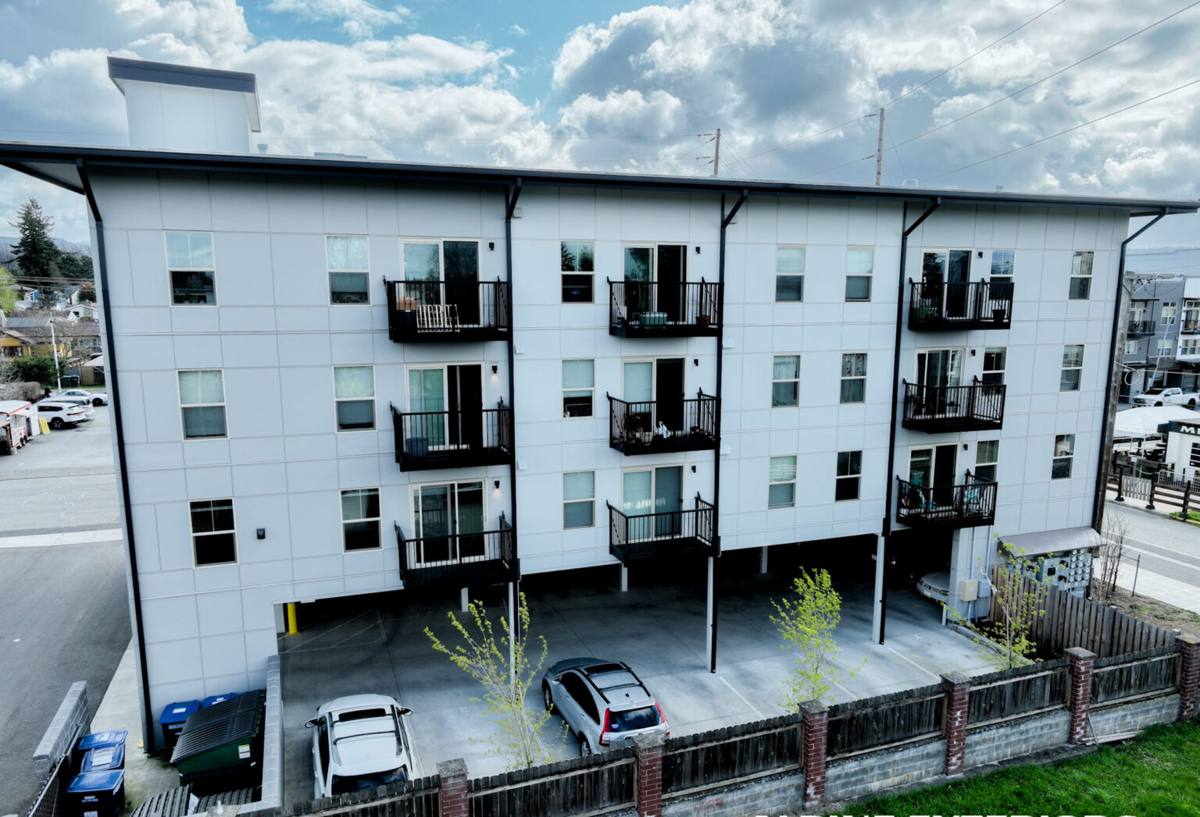
What Wiser Lake's Climate Demands From New Windows
Wiser Lake sits inland from the coast, but it still gets the full mix of what makes Whatcom County weather hard on building envelopes: salt-tinged marine air moving through from the Sound, long stretches of driving rain off the Pacific weather systems, and a moss season that can run most of the year in shaded, damp spots. None of that is exotic — it's just persistent, and persistent is what breaks a marginal install.
Salt Air and Metal Components
Homes anywhere near the water in this county see accelerated corrosion on unprotected fasteners, hinges, and cheap window hardware. It's not dramatic, but over ten or fifteen years it shows up as stiff operation, streaking, and failed weatherstripping clips. New-construction is the right time to spec corrosion-resistant fasteners and hardware, because retrofitting that later means pulling trim you just paid to install.
Driving Rain
Wind-driven rain doesn't just fall on a window — it gets pushed sideways into every gap, lap, and seam. A window opening that relies on caulk alone to keep water out will eventually let water in, especially on walls that face the prevailing weather. Correct flashing and a properly shingled water-shedding sequence matter more here than in a drier climate, because the margin for error is smaller.
Moss and Sustained Moisture
Moss doesn't attack a window directly, but it's a symptom of the same conditions that do: shade, damp air, and surfaces that don't dry out between rains. Sills and trim details that trap water instead of shedding it become the spots where moss, and the rot underneath it, take hold first. A new-construction install should be built to dry out fast after every storm, not just survive the storm itself.
What a Correct New-Construction Window Install Actually Involves
New-construction windows are installed before the siding goes on, which is an advantage — you have full access to the rough opening and the house wrap layer — but it also means every mistake gets buried under finish work. There's no such thing as "close enough" at this stage.
Sill Pan and Flashing Sequence
Every opening should get a sloped sill pan that directs any water that gets past the window back outside, not into the wall cavity. Flashing tape at the jambs and head needs to be lapped in the correct shingle order — bottom pieces under the ones above — so water sheds down and out at every layer, following the same logic as roof shingles.
Nailing Fin Integration With the House Wrap
Most new-construction windows use a nailing fin that gets integrated directly into the weather-resistive barrier. The house wrap has to be cut, flashed, and lapped around that fin correctly, or the window becomes a hole in an otherwise continuous water barrier. This is the single most common place we see shortcuts taken on builds we didn't frame ourselves.
Sealants and Backer Rod
Exterior sealant is the last line of defense, not the first. It should go over a backer rod sized to the gap, applied to clean, dry surfaces, using a sealant rated for the temperature range and movement it'll actually see. Sealant applied as a substitute for proper flashing fails faster and hides the problem longer.
Shimming and Squaring
A window that's out of square or shimmed unevenly will bind, won't seal tight against its own weatherstripping, and puts uneven stress on the frame that shows up as operational problems years later. This step takes minutes to do right and is invisible once trim goes on — which is exactly why it gets rushed on jobs where nobody's checking.
Choosing a Window for New Construction Near Wiser Lake
Frame material matters more in a marine-influenced climate than in a dry inland one. Here's how the common options stack up for this specific environment:
| Frame Material | Moisture Behavior | Maintenance | Best Fit |
|---|---|---|---|
| Vinyl | Doesn't absorb water or corrode; performs consistently in wet climates | Low — no painting or sealing needed | Most new builds where value and low upkeep matter |
| Fiberglass | Very stable, resists warping and doesn't corrode | Low, holds paint well if a custom color is wanted | Larger openings or homes wanting a painted finish |
| Wood-Clad | Interior wood needs to stay dry and sealed; exterior cladding protects the frame but any breach exposes wood to rot | Higher — finish and seals need periodic attention | Homeowners prioritizing interior wood appearance who accept the upkeep |
| Aluminum | Conducts cold and can condense moisture in our wet winters unless thermally broken | Low, but corrosion protection matters near salt air | Specific architectural applications, not typical residential |
We install what a homeowner or builder chooses, but on unprotected or salt-exposed elevations near the lake, we'll flag wood-clad options honestly — the wood core means any gap in the cladding or finish becomes a moisture entry point that's harder to catch early than it is with vinyl or fiberglass.
Our Process for New-Construction Window Installs
- Rough opening check. We verify every opening is square, correctly sized, and structurally sound before a window ever gets set — catching framing errors now is far cheaper than after installation.
- Sill pan and flashing. Sloped sill pans go in first, followed by jamb and head flashing in proper shingle sequence, integrated with the house wrap.
- Window set and shim. Windows are set plumb, level, and square, shimmed at load-bearing points per manufacturer spec, and fastened through the nailing fin.
- Seal and inspect. Backer rod and sealant go in at the appropriate joints, and we walk every opening before siding closes it in.
- Coordination with siding. Because we also handle siding, we can sequence window and siding work so flashing laps correctly at the transition — a detail that gets missed when two separate crews hand off without talking to each other.
Where New Builds Go Wrong
Most window problems we get called out to fix on newer homes trace back to one of a few root causes, not a defective product:
- House wrap cut and flashed before the window schedule was finalized, forcing rework or gaps
- Sealant used to compensate for a flashing step that got skipped to save time
- Sill pans omitted because the opening "looked fine" without one
- Window and siding crews working from different assumptions about how the two should overlap
- Fasteners or hardware not rated for a marine-influenced environment, corroding early
Every one of these is avoidable with a crew that treats the flashing sequence as non-negotiable, regardless of schedule pressure from other trades.
Checklist: What to Confirm Before Your Windows Go In
- Sill pans specified for every opening, not just the ones facing prevailing weather
- Flashing tape and house wrap integration sequenced in proper shingle-lap order
- Frame material chosen with this climate's moisture exposure in mind, not just budget
- Fasteners and hardware rated for coastal or salt-influenced conditions
- A clear handoff plan between window and siding crews so flashing laps correctly at the transition
- Every opening inspected and documented before siding covers it up
Why a Crew That Already Works Wiser Lake Matters
General best practices for window flashing are the same everywhere. What changes by location is how much margin for error the local weather actually gives you. A crew that installs windows across a range of climates might default to a install method that's technically fine in a dry region but marginal here. A crew that works Wiser Lake and the surrounding Lynden area regularly builds around Whatcom County's rain patterns, the moss and moisture cycle, and the salt-air exposure that comes with lake and coastal proximity as a baseline, not an afterthought. That familiarity shows up in the small decisions — how tight the flashing laps are, which fasteners get specified, how much attention the transition between window and siding gets — that don't show up on a spec sheet but decide whether the install is still dry in ten years.
Get a Free Estimate for Your Wiser Lake Build
If you're planning a new build near Wiser Lake and want windows installed correctly the first time — flashed, sealed, and sequenced to handle what this climate actually throws at a house — we're happy to walk the plans with you. Reach out for a free, no-pressure estimate using the form below.