 Lynden Siding
 Siding Replacement for Maple Falls Homes
Maple Falls sits in the part of Whatcom County where marine weather off the Salish Sea meets the rising terrain toward Mt. Baker. That combination means homes here take a different kind of beating than siding in a typical suburban subdivision. Salt-tinged air moving inland, long stretches of driving rain, and a moss season that can run most of the year all put steady pressure on whatever material is covering your walls. When siding starts to fail out here, it's rarely one dramatic event — it's years of moisture finding small gaps and never fully drying out between storms.
This page is about one job, done right, in this one area: replacing siding on a Maple Falls home with a crew that already understands how this specific stretch of Whatcom County treats a house.
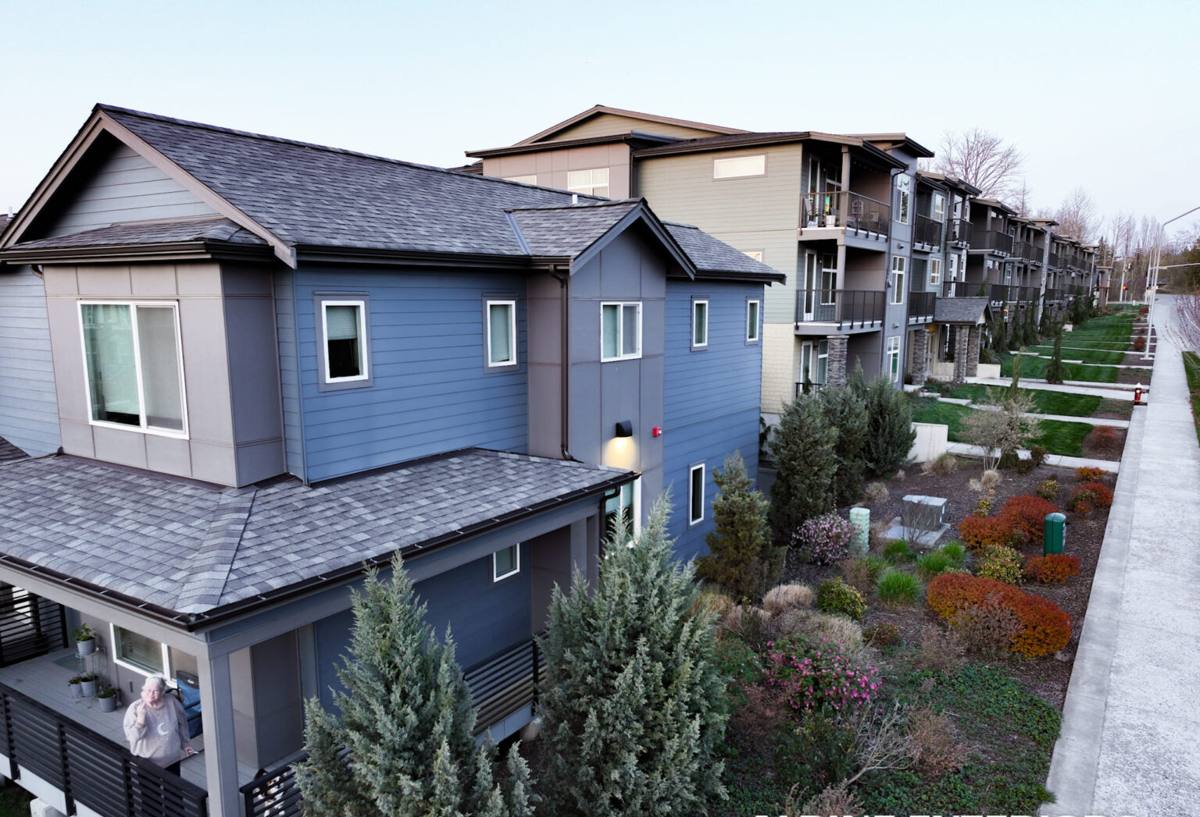
Why This Climate Is Hard on Siding
Moisture That Doesn't Let Up
Rain in this part of the county isn't just frequent — it's often wind-driven, pushed sideways against walls instead of falling straight down. That matters because siding systems are engineered to shed water moving down a wall, not water being forced sideways or upward under laps and around trim. A siding job that looks fine on a calm day can still be letting moisture in behind the material during a windy winter storm, and you won't see the damage until it's already reached the sheathing.
Moss, Algae, and Constant Dampness
Shade from surrounding trees, cooler temperatures, and near-constant humidity give moss and algae a long growing season on north- and west-facing walls. Beyond the cosmetic issue, moss holds moisture directly against the siding surface far longer than open air would. On materials that aren't dimensionally stable or that absorb water into their core, that prolonged contact accelerates swelling, cracking, and paint failure.
Salt-Influenced Air
Whatcom County's proximity to the Salish Sea means the air carries a mild salt content even well inland. It's not the same exposure as a beachfront property, but over enough years it contributes to fastener corrosion and finish breakdown on lower-grade materials and hardware, especially where a house sits in an open, wind-exposed spot.
Signs a Maple Falls Home Needs Siding Replacement
Not every siding problem means a full tear-off, but in this climate, small issues tend to compound quickly. Have a professional take a closer look if you notice any of the following:
- Soft or spongy spots when you press on the siding, especially near the bottom courses or around windows
- Paint that's bubbling, peeling, or won't hold a fresh coat no matter how well it was prepped
- Persistent moss or dark streaking that returns within a season of cleaning
- Visible gaps, warping, or cupping boards, particularly on north- and west-facing walls
- Musty smells or rising energy bills that suggest moisture or air leaks behind the wall
- Cracked caulk lines and separating trim joints that keep reopening after being resealed
What a Correct Siding Replacement Involves
Full Tear-Off, Not a Cover-Up
A proper replacement removes the old siding down to the sheathing rather than installing new material over the old. Covering up existing damage might look fine for a season, but it traps whatever moisture problems already exist behind a new surface — exactly the wrong move in a climate this wet.
Checking What's Underneath
Once the old siding is off, the sheathing and framing get a real inspection. Any rot, soft wood, or water staining needs to be repaired before anything new goes up. This is the step that gets skipped by crews trying to move fast, and it's the step that determines whether new siding lasts fifteen years or fifty.
Weather-Resistive Barrier and Flashing
A weather-resistive barrier goes over the sheathing to manage any moisture that gets past the siding itself. Flashing at windows, doors, and roof-to-wall transitions has to be layered correctly — each piece overlapping the one below it — so water is directed out and away from the wall assembly rather than behind it. In a region with as much wind-driven rain as this one sees, flashing details matter as much as the siding material itself.
Correct Installation to Manufacturer Spec
Fastener spacing, clearance from grade, gaps at butt joints, and caulking at penetrations all have to follow the manufacturer's published installation instructions. Skipping these details is one of the most common ways a warranty gets voided without the homeowner ever knowing it.
Why We Install Only James Hardie Fiber Cement
We standardized on James Hardie fiber cement siding for every job we do, including work in Maple Falls, and we don't install vinyl, LP SmartSide, or wood-based siding products. That's not a marketing position — it's a decision based on what holds up under exactly the conditions described above: constant moisture, moss exposure, and salt-influenced air.
Fiber cement doesn't have an organic wood component for moisture to break down, and it won't soften or delaminate the way engineered wood products can when water gets past a seam. Hardie's ColorPlus factory finish is baked on under controlled conditions, which gives it better fade and moisture resistance than field-applied paint, and it's backed by a strong transferable warranty that follows the house if you sell it.
| Factor | Fiber Cement (James Hardie) | Vinyl | Engineered Wood (e.g. LP SmartSide) |
|---|---|---|---|
| Moisture resistance | Excellent — non-organic core | Good, but seams can trap moisture | Vulnerable if edges aren't sealed and maintained |
| Moss/algae tolerance | Holds up well when cleaned periodically | Can trap moisture behind panels | Prolonged dampness accelerates swelling |
| Fire performance | Non-combustible | Combustible | Combustible (wood-based) |
| Finish longevity | Factory-baked ColorPlus finish | Color molded in, can fade/chalk | Field-applied paint needs recoating |
| Typical lifespan when installed to spec | Several decades | 20-30 years | Varies with maintenance discipline |
Every product on that list has legitimate uses somewhere. We simply concluded, after years of doing this work in Whatcom County's climate, that fiber cement gives Maple Falls homeowners the best long-term outcome for the money, and we'd rather install one product correctly than several products with compromises we can't stand behind.
Our Process, Start to Finish
- On-site assessment. We look at the current siding, check for moisture damage, and evaluate exposure on each wall face — which sides take the most wind-driven rain and moss growth matters for sequencing and detailing.
- Written estimate. You get a clear scope of work and pricing before anything is scheduled, with no pressure to decide on the spot.
- Tear-off and inspection. Old siding comes off, sheathing is inspected, and any necessary repairs are identified and priced separately so you're not surprised later.
- Weather barrier and flashing installation. This is the layer that does the real work of keeping water out, and it's installed before a single piece of new siding goes up.
- Hardie siding installation to manufacturer spec. Correct fastening, clearances, and joint treatment throughout.
- Final walkthrough. We review the finished work with you and make sure everything meets the standard we hold ourselves to.
What Affects Cost
Every Maple Falls property is a little different, and pricing depends on the specifics of your home rather than a flat rate. The main variables are below.
| Cost Factor | Why It Matters |
|---|---|
| Extent of tear-off and repair | Hidden rot or sheathing damage adds labor and material before new siding can go up |
| Home size and wall complexity | More corners, gables, and trim details mean more cutting and flashing work |
| Siding profile and color | Different Hardie lines and ColorPlus colors carry different material costs |
| Accessibility | Steep grades, tight lot lines, or difficult staging areas affect labor time |
| Trim and accessory work | Fascia, soffits, and window trim replacement are often bundled with siding for a consistent result |
Why a Crew That Already Works Maple Falls Matters
Siding installation isn't just a spec sheet — it's judgment calls about flashing sequencing, which walls need extra attention to moss and drainage, and how a specific lot's exposure to wind and rain should shape the detailing. A crew that regularly works this part of Whatcom County has already seen how houses out here age, which details fail first, and which ones hold up. That local pattern recognition is hard to substitute for, no matter how good a general contractor's crew is elsewhere.
It also means straightforward scheduling and follow-up. A local Lynden-based crew isn't driving in from out of the area for one job — we're already working in and around Maple Falls, so questions after the job is done get answered by people who know the house.
Caring for Your New Siding
Even the best siding installation benefits from basic upkeep in this climate. A yearly rinse to keep moss and organic buildup from taking hold, prompt attention to any gutter overflow directing water onto walls, and keeping vegetation trimmed back from shaded wall faces will all extend the life of your investment. Hardie fiber cement is low-maintenance compared to wood or engineered wood products, but "low-maintenance" isn't "no-maintenance" anywhere in Whatcom County.
If your Maple Falls home is showing signs of siding trouble, or you're planning ahead before the next wet season sets in, we're happy to take a look and give you a straightforward, no-pressure estimate. There's a form below to get started.