 Lynden Siding
 Metal Roofing for Everson Homes
Everson sits in the part of Whatcom County where marine air off the Strait and Bellingham Bay meets the moisture funneling down out of the foothills. That combination means roofs here deal with more sustained dampness than most inland regions of the state ever see. A roof that works fine in eastern Washington can fail early out here simply because it was never built to shed water fast enough or dry out between storms. Metal roofing, installed correctly, is one of the more durable answers to that problem — but "correctly" is doing a lot of work in that sentence, and it's worth understanding what that actually means before you commit to a system for your home.
This page covers metal roofing specifically for Everson properties: what the local climate demands, what a proper installation includes, and how we handle the job from first look to final walkthrough.
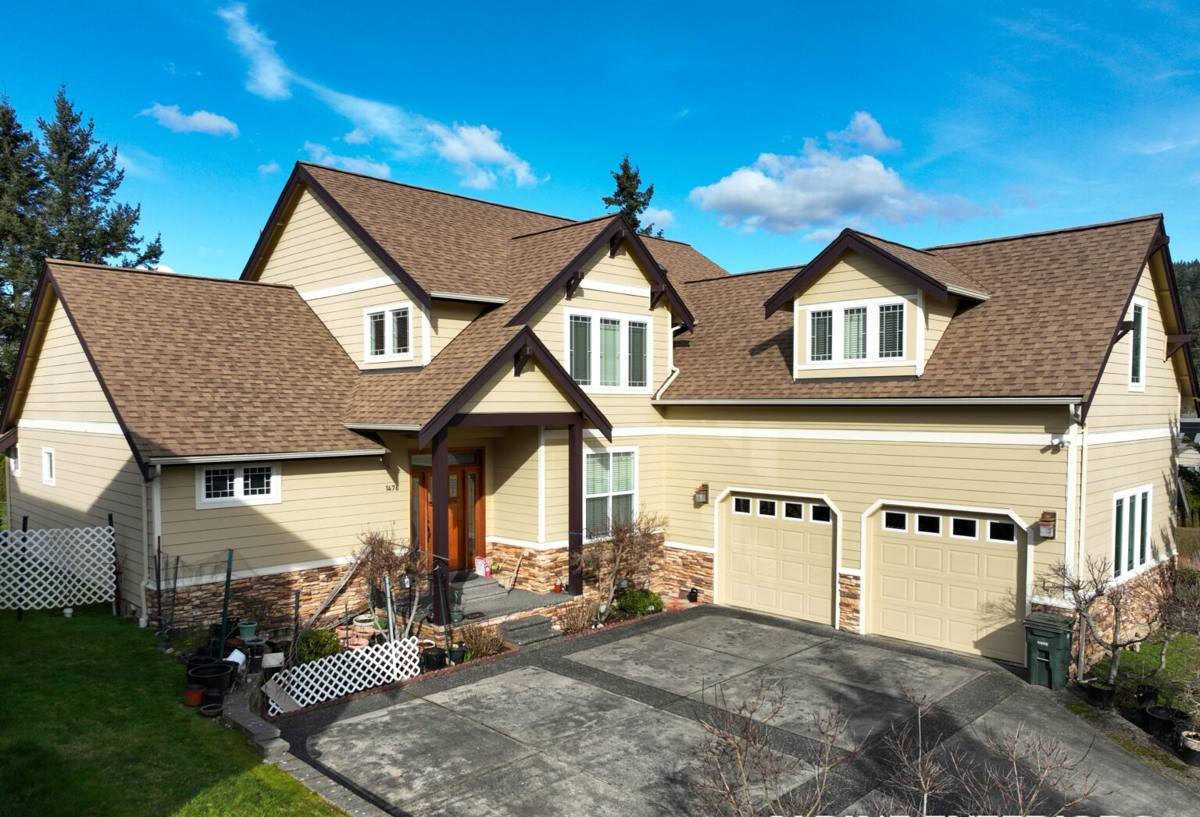
What Everson's Climate Does to a Roof Over Time
Three things define roofing conditions in this part of Whatcom County, and they compound each other rather than acting independently.
Driving Rain
Storms here don't just fall straight down — wind-driven rain gets pushed sideways under ridge caps, around vent boots, and up under poorly lapped flashing. A roofing system that only sheds water moving downhill isn't enough. Every transition point — valleys, wall flashing, penetrations — has to be detailed to handle water coming from an angle, sometimes uphill against gravity for a few inches before it finds its way back down.
A Long Moss Season
Shade, moisture, and mild temperatures for most of the year add up to a moss season that runs far longer here than in drier parts of the state. Moss doesn't just sit on top of a roof — it holds moisture against the surface, works into laps and seams, and on shingle roofs it can lift material enough to let water underneath. Metal doesn't give moss the same foothold, but a roof with the wrong slope, poor airflow, or debris-catching valleys will still grow it over time.
Marine Air and Moisture Exposure
The moist, marine-influenced air that moves through this part of the county doesn't just affect coastal properties — it settles into low areas and river-adjacent land throughout Whatcom County, Everson included. Over years, that kind of persistent moisture exposure is hard on fasteners, flashing, and any metal components that aren't properly coated or matched to avoid corrosion between dissimilar metals.
Why Metal Holds Up Better Under These Conditions
Metal roofing isn't automatically the right choice for every home or budget, but for the conditions described above it has real advantages worth naming honestly:
- Steep water-shedding profile that doesn't rely on granule wear or shingle lift to stay watertight
- No organic surface for moss and algae to grip and root into the way they do on shingles
- Panel seams and fastening systems that, done right, resist wind-driven rain intrusion far better than lapped shingle edges
- A service life that, with proper installation, commonly outlasts two or more shingle roof cycles
None of that is automatic. A metal roof installed with the wrong underlayment, poor ventilation, or rushed flashing work can still leak, still trap moisture, and still disappoint. The material buys you a better ceiling on performance — the installation determines whether you actually get there.
Metal Panel Options for Everson Homes
Not every metal roofing system is the same product wearing different colors. The two broad categories homeowners choose between are standing seam and exposed-fastener panels, and the difference matters more here than in drier climates because of how each handles long-term water exposure.
| Feature | Standing Seam | Exposed-Fastener Panel |
|---|---|---|
| Fastener exposure | Concealed under raised seams | Screws penetrate the panel face |
| Long-term leak risk in driving rain | Lower — no exposed penetrations to fail | Higher over time as washers age and fasteners work loose |
| Upfront cost | Higher | Lower |
| Maintenance | Minimal once installed correctly | Periodic fastener/washer inspection recommended |
| Typical best use | Primary roofs, longer ownership horizon | Outbuildings, shops, budget-driven projects |
Given how much wind-driven rain this area sees during the wet months, we generally steer full-home installations toward standing seam where budget allows, and reserve exposed-fastener panel for secondary structures where the trade-off makes more sense. That's a maintenance and moisture judgment, not a knock on exposed-fastener systems themselves — they're a legitimate product when used for the right application.
What a Correct Installation Actually Involves
Most metal roof problems we get called to inspect aren't material failures — they're installation shortcuts. Here's what has to happen for a metal roof to actually perform the way it's supposed to.
Deck Inspection and Prep
Before anything goes down, the existing deck gets checked for soft spots, rot, or prior water damage — particularly around valleys and any past penetration points. Metal panels are unforgiving of an uneven or compromised substrate; skipping this step just buries a problem under new material.
Underlayment
Given how much moisture this roof will see over its life, underlayment isn't a place to cut corners. A high-temp synthetic or self-adhering membrane at vulnerable areas (valleys, eaves, penetrations) gives the roof a real second line of defense if wind-driven rain ever gets past the panel seams.
Ventilation
Metal roofs need airflow behind them as much as any other roofing material — arguably more, since trapped moisture under a metal surface can lead to condensation issues that show up as staining or rot in the attic before they're ever visible from outside. Ridge and soffit venting has to be sized and balanced correctly, not just added as an afterthought.
Flashing and Fastening
This is where driving rain either gets stopped or gets in. Valleys, wall transitions, chimneys, and vent penetrations all need flashing detailed for water moving sideways and uphill, not just straight down. On standing seam systems, clip spacing and panel expansion allowance matter too — metal moves with temperature swings, and a system that doesn't account for that will eventually stress its own seams.
Our Process, Start to Finish
1. On-Site Inspection and Estimate
We walk the roof and the attic space where accessible, look at current ventilation, and talk through what's driving the decision — a leak, an aging roof, or a planned upgrade. You get a written estimate that spells out material, scope, and timeline, with no pressure to sign on the spot.
2. Tear-Off and Deck Prep
Old roofing comes off, the deck gets inspected and repaired where needed, and any compromised areas are addressed before new material goes down.
3. Underlayment and Panel Installation
Underlayment goes down first, followed by panels installed to manufacturer spec for fastening pattern, seam engagement, and expansion allowance.
4. Flashing, Trim, and Ventilation Tie-In
All flashing and trim work is completed and tied into existing ventilation, with extra attention at valleys and any wall or chimney transitions.
5. Final Walkthrough
We walk the finished roof with you, clean up the site, and go over anything you should know about the new system going forward.
Maintenance in a Moss-Prone, Wet Climate
Metal roofing is low-maintenance compared to shingles, but "low" isn't "none." A few habits go a long way toward getting the full service life out of the system in this climate:
- Clear debris from valleys and around penetrations each fall before the wet season sets in
- Keep overhanging branches trimmed back to reduce shade, debris load, and moss-friendly conditions
- Check gutters and downspouts regularly — a clogged gutter backs water up under the roof edge
- Have exposed-fastener systems inspected periodically for loose or aging fastener washers
- Address any staining in the attic promptly — it usually points to a ventilation or flashing issue, not the panels themselves
What Drives the Cost
Every roof is different, but the same handful of factors move the price on most metal roofing jobs in this area:
| Factor | Why It Matters |
|---|---|
| Panel system chosen | Standing seam costs more upfront than exposed-fastener panel |
| Roof complexity | Valleys, dormers, and multiple pitches add labor and flashing detail |
| Deck condition | Rot or soft decking found during tear-off adds repair cost |
| Ventilation needs | Upgrading inadequate venting adds scope but protects the investment |
| Access and pitch | Steep or hard-to-access roofs take longer to install safely |
We don't quote off a phone call — every estimate is based on an actual look at your roof, so the number you get reflects your home, not a generic average.
Why Hire a Crew That Already Works This Area
A roofing crew that installs mostly in drier or less wind-exposed regions can still do competent work — but they're often making judgment calls on the fly about flashing detail, underlayment choice, and ventilation that a crew working Whatcom County day in and day out doesn't have to guess at. We've seen firsthand what driving rain does to a poorly detailed valley and what a long moss season does to a roof that wasn't given enough airflow. That local pattern recognition shows up in the small decisions made during installation, not just in the sales pitch beforehand.
If you're weighing metal roofing for your Everson home, we're happy to take a look and give you a straightforward assessment — no pressure, no hard sell. Use the form below to request a free estimate, and we'll walk you through what we see and what it would take to do the job right.