 Lynden Siding
 Windows Built for Deming's Weather, Not Just Its View
Deming sits along the Nooksack River corridor, tucked between Lynden and the foothills leading up toward Mt. Baker. It's a different microclimate than the open flats closer to town — more tree cover, more shade, more standing moisture in the air for more months of the year. That combination is exactly what wears out old windows faster here than in drier parts of Whatcom County. Wood sash frames swell and stick. Aluminum frames sweat on the inside during cold snaps. Single-pane glass fogs up and never really clears until the sun gets high enough in spring to burn it off.
When we talk about energy-efficient windows for a Deming home, we're not just talking about a lower heating bill, though that's real. We're talking about a window that can handle driving rain coming sideways off a fall storm, that won't feed the long moss season that this whole region is known for, and that keeps its seal instead of fogging or drafting after a few Whatcom County winters. Homes closer to the Sound deal with salt-tinged air working into hardware and finishes over time; Deming's version of that same problem is constant humidity from the river valley finding every gap in an old frame.
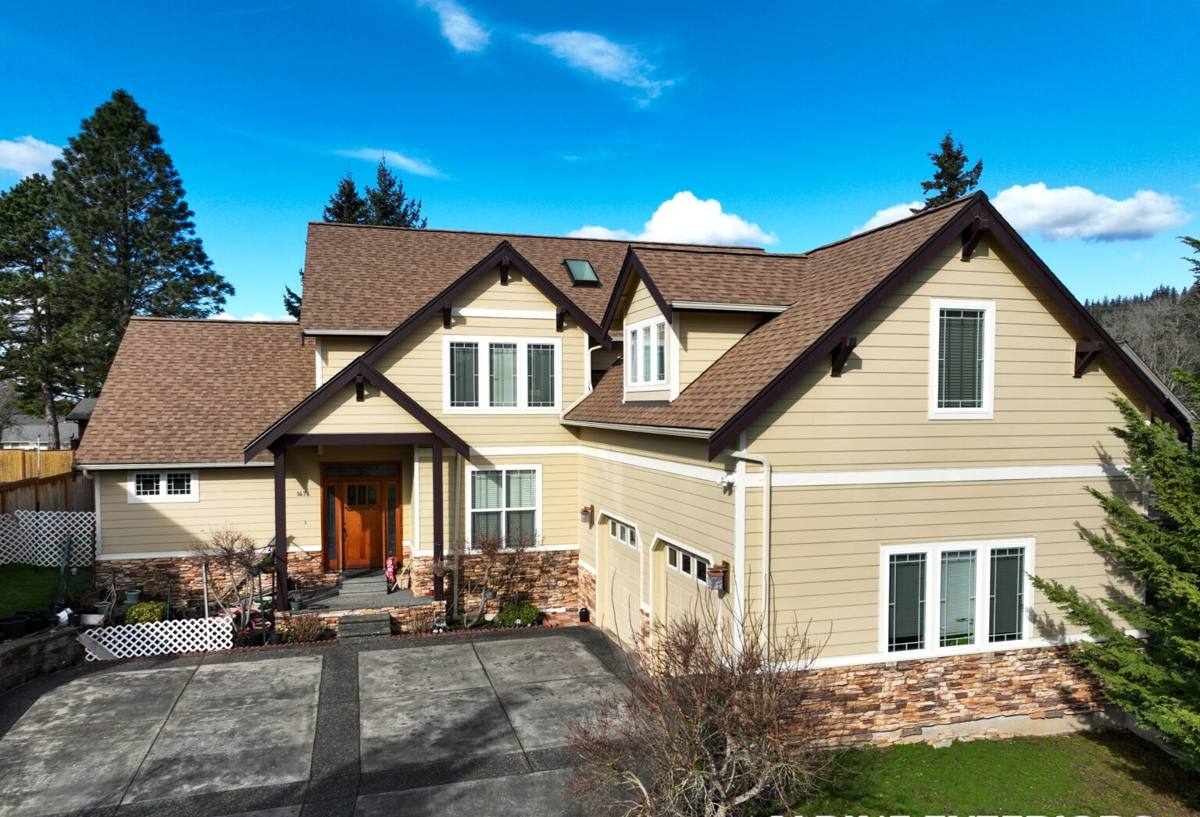
What Local Homes Actually Need From a Window
Every window replacement job we quote in this area starts with the same question: what is this specific wall, this specific exposure, dealing with? A window facing the river valley's prevailing weather needs a different attention to flashing and sealant than one tucked under a covered porch. A few things come up again and again on Deming homes specifically:
- Frames that can tolerate sustained damp without the finish failing or the material rotting from the inside out
- Glass packages rated for the wind-driven rain that comes with fall and winter storm fronts, not just static weather
- Hardware and weatherstripping that won't corrode or compress permanently after a few wet seasons
- Low-maintenance exteriors, since moss and algae growth on trim and sills is a fact of life this far into the tree line
- Proper flashing integration with existing siding, so water is shed away from the frame instead of pooling against it
None of this is exotic. It's just paying attention to what actually happens to a window over ten or fifteen wet Whatcom County winters, rather than what a spec sheet promises in a showroom.
Where Old Windows Actually Fail Here
Seal Failure and Fogged Glass
The most common call we get from Deming homeowners isn't about drafts — it's about a window that's fogged between the panes and won't clear. That's a broken seal on an insulated glass unit, and once moisture gets between the panes, no amount of cleaning fixes it. In a damp river valley environment, seal failure tends to show up earlier than it would in a drier climate, because the glass is under near-constant humidity pressure rather than occasional exposure.
Frame and Sill Rot
Wood-framed windows that were fine for twenty years can go downhill fast once the finish starts to fail, especially on north- and west-facing walls that don't get much drying sun through the tree cover common around Deming. Once water gets past the paint or stain layer, it doesn't evaporate quickly out here — it sits, and the wood underneath starts to soften.
Moss and Algae Buildup
Long moss season isn't just a roof problem. Window sills, trim, and the top rails of frames collect the same organic growth, and on porous or textured surfaces it's a losing battle to keep clean. Smoother, more moisture-resistant frame materials hold up with far less scrubbing.
Our Process for a Deming Window Replacement
We run every job the same way, whether it's one window or a whole-house replacement, because skipping steps is where leaks and callbacks come from.
- On-site assessment. We look at the actual condition of each opening — framing, sill, any existing water staining or soft wood — before quoting anything.
- Product selection matched to exposure. A window on the weather side of the house gets a different glass and seal spec recommendation than one on a sheltered wall.
- Removal without damaging the opening. Old frames come out carefully so we're not creating new damage to siding or framing that then has to be repaired.
- Inspection of the rough opening. This is the step that gets skipped by crews in a hurry, and it's the one that matters most. Any soft framing or old water damage gets addressed before a new window goes in, not covered up.
- Flashing and sealing to shed water, not trap it. Proper flashing tape and sealant placement so water runs down and out, never behind the new frame.
- Final fit and operation check. Every sash gets tested for smooth operation and a tight seal before we call the job done.
Comparing Frame Materials for This Climate
There's no single "best" window material for every house — it depends on budget, the home's style, and how much upkeep you want to take on. Here's how the common options actually perform in a damp, moss-prone environment like Deming's.
| Frame Material | Moisture Tolerance | Maintenance | Typical Fit |
|---|---|---|---|
| Vinyl | Very good — won't rot or corrode | Low — occasional cleaning | Most standard replacements, best value |
| Fiberglass | Excellent — very stable in wet/dry cycles | Low | Larger openings, higher-end replacements |
| Wood (clad exterior) | Good on the clad face, vulnerable at joints and interior wood | Higher — finish upkeep matters | Homes prioritizing a traditional wood interior look |
| Aluminum | Poor thermal performance, prone to interior condensation | Moderate | Rarely our recommendation for this climate |
For most Deming homes, we steer people toward vinyl or fiberglass for exactly the reasons in that table — they hold up to sustained damp without the ongoing finish maintenance that wood clad requires, and they don't carry aluminum's condensation problems in a cold, humid valley.
Glass Packages and What They Actually Do
The frame keeps water out; the glass is what does the energy work. A basic double-pane window is a real improvement over old single-pane glass, but for this climate we generally recommend going further:
- Low-E coatings reflect heat back into the room in winter and block excess solar heat in summer — worth it on nearly every elevation.
- Argon or krypton gas fill between panes adds insulation value without adding visible thickness.
- Warm-edge spacers reduce the cold line at the edge of the glass, which is where condensation tends to start first in a humid climate.
- Impact-rated or laminated glass options add durability for exposures that take the brunt of storm-driven debris.
None of these are upsells for their own sake — each one addresses a specific failure point we see on older windows in this area, from cold-edge condensation to premature seal breakdown.
A Practical Checklist: Do You Need Replacement or Repair?
Not every window on a Deming home needs full replacement. Here's a quick gut-check before deciding:
- Glass fogged or hazy between the panes — replacement, not repair, since the seal is broken
- Visible soft or discolored wood at the sill or lower frame corners — needs inspection before any repair or replacement decision
- Window is hard to open, sticks, or won't stay up on its own — could be hardware repair or a sign the frame has shifted
- Noticeable draft you can feel with your hand near the frame edge — often weatherstripping, but worth a full check
- Visible moss or algae building up on sills or trim every year regardless of cleaning — a material and drainage issue, best solved at replacement
- Interior condensation forming on the glass or frame in cold weather — points to poor glass performance or a failing seal
Why Hiring a Crew That Works This Area Matters
A window that's correctly installed in a dry inland climate can still fail early in a place like Deming if the installer doesn't account for the extra moisture load. Flashing details that would be optional elsewhere aren't optional here. Sealant choices that work fine in a milder microclimate can fail faster under sustained Whatcom County damp. A crew that regularly works Lynden and the surrounding communities has already seen what goes wrong when those details get skipped — fogged glass in year three instead of year fifteen, sills that need repainting every summer, trim that grows moss no matter how often it's power-washed.
That local track record matters more than any single product spec. The right window, installed wrong for the climate, is still a problem waiting to happen.
What a Fair Estimate Looks Like
Costs vary window to window based on size, material, glass package, and whether there's any hidden framing damage to address — so we won't give a number here that doesn't reflect your actual house. What we will say honestly: a proper assessment always includes a look at the framing and sill condition, not just a measurement for a replacement unit. That's the step that determines whether the job is straightforward or needs a bit more work to do it right, and it's the step that protects you from surprises after the new windows are in.
If your Deming home has windows that fog, stick, draft, or just don't feel like they're keeping the weather out anymore, we're happy to come take a look. There's no pressure and no obligation — just a straight assessment of what your windows need and what it would take to fix it right, using the form below.