 Lynden Siding
 Deck Replacement for Aldergrove Homes, Built by a Crew That Works This Corridor
Aldergrove sits close enough to Lynden that our crew treats it as part of our regular route, not a special trip. That matters more than it sounds like it should. A deck isn't just a stand-alone carpentry project — it's a structure that has to survive the same wet, moss-prone, temperature-swinging climate that shapes everything else we build in this part of Whatcom County and the neighboring Fraser Valley. When we replace a deck in Aldergrove, we're applying the same lessons we've learned building and repairing decks a few miles south in Lynden: what rots first, what fasteners fail early, and where water actually collects once a structure has been in the ground a few winters.
A deck replacement is different from a repair. Repair patches the symptom — a soft board, a wobbly rail, a post that's started to lean. Replacement means the structure itself has reached the point where patching no longer makes sense: the framing is compromised, the ledger connection is suspect, or the deck was built to a standard that doesn't hold up to how it's actually used today. This page walks through what that looks like specifically for homes in and around Aldergrove.
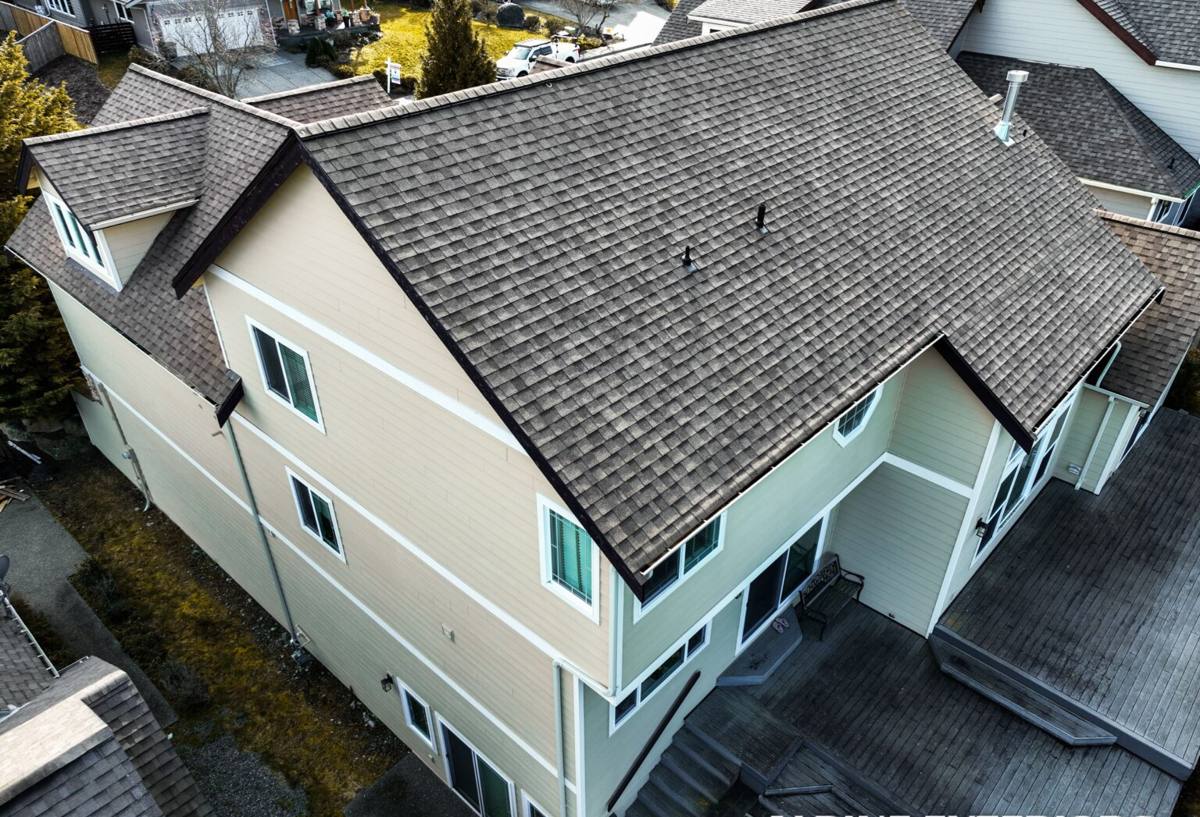
Why This Climate Is Hard on Decks
The regional climate here — long stretches of driving rain, humid air moving through the valley, and a moss season that can run from fall through spring — doesn't forgive shortcuts in deck construction. Wood decks in particular take a beating in ways that aren't always obvious from the surface.
Moisture That Doesn't Fully Dry Out
In drier climates, a deck gets rained on and then dries out completely before the next storm. Here, that drying window is often too short. Boards, joists, and especially the areas where a deck meets the house stay damp for extended periods, which accelerates rot in untreated or poorly protected wood and creates ideal conditions for moss and algae growth on horizontal surfaces.
Moss and Surface Buildup
Moss doesn't just look bad — it holds moisture against the decking surface and can make boards dangerously slick. On older decks we've replaced in this area, we regularly find moss growth that's been trapping water against the wood for years, which speeds up decay in ways the homeowner often can't see until a board fails underfoot.
Salt Air and Airborne Moisture
Homes in this general region also deal with the moisture-laden marine air that moves inland from the coast, which contributes to faster corrosion of exposed metal fasteners, brackets, and hardware — a factor we account for when specifying materials for a rebuild.
Freeze-Thaw Cycling
Whatcom County winters aren't brutally cold, but they do dip below freezing often enough that water trapped in wood fibers or in small cracks in concrete footings expands and contracts repeatedly. Over years, this cycling opens up small failures — hairline splits in boards, loosened post connections — that eventually add up to structural problems.
Signs Your Aldergrove Deck Needs Replacement, Not Repair
Homeowners often ask how to tell the difference between "this needs a few boards" and "this needs to come down." Here's the honest breakdown we use when we're out doing an assessment.
- Soft, spongy, or visibly rotted framing members (joists, beams, or posts) — not just surface boards
- A ledger board (where the deck attaches to the house) that shows water staining, rot, or was never properly flashed
- Posts that have shifted, leaned, or show rot at the base where they meet the footing
- Railings that flex or feel loose under normal pressure — a safety issue, not a cosmetic one
- Fasteners that are heavily rusted, backing out, or were never rated for exterior/ground contact use
- A deck built without proper permits or to an outdated structural standard for its size and height
- Persistent moss or algae that keeps returning within weeks of cleaning, indicating chronic moisture retention
- Visible gaps opening up between decking boards and framing as wood dries, shrinks, and warps unevenly
If what you're seeing is limited to a handful of surface boards and the framing underneath is sound, repair is often the honest recommendation — we'll tell you that. Replacement becomes the right call when the structural bones of the deck are the problem, because no amount of surface work fixes a compromised frame.
What a Correct Deck Replacement Involves
A deck replacement done right is a structural project first and a finish project second. Here's the order of operations we follow, and why each step matters in this climate specifically.
1. Full Demo and Inspection of What's Underneath
We remove the old structure down to the footings so we can actually see what's there — including the ledger connection to the house, which is the single most common point of hidden water damage on older decks. If the sheathing or framing behind the ledger has been compromised, that gets addressed before anything new goes up.
2. Footings and Structural Framing
Footings need to be sized and set to current standards, especially for anything attached to the home or built at height. We use pressure-treated framing lumber rated for ground contact where it's in contact with soil or concrete, and we frame joist spacing to match the actual decking material being installed — composite and wood have different span requirements.
3. Ledger Flashing and Waterproofing
This is the step that gets skipped most often on older or budget builds, and it's the one that causes the most expensive hidden damage. Proper flashing at the ledger board — where the deck meets the house — keeps water from working its way behind the siding and into the wall framing. Given the volume of driving rain this region sees, we treat this as non-negotiable, not optional upgrade.
4. Decking Material Installation
Whether you're going with wood or composite, correct fastening pattern, board spacing for expansion/contraction, and airflow underneath the deck all affect how long the surface lasts. Boards installed too tight or without ventilation trap moisture and shorten lifespan regardless of material quality.
5. Railings, Stairs, and Code Compliance
Railing height, baluster spacing, and stair geometry are governed by code for good reason — these are the components most tied to injury risk. We build to current code regardless of what the old structure had, because "it was like that before" isn't a standard we'll build to.
6. Final Walkthrough
Before we consider the job done, we walk the deck with you — checking board seating, rail rigidity, stair feel, and drainage — so you know exactly what you're getting and how to maintain it going forward.
Material Choices: What We Recommend and Why
There's no single "best" decking material for every home — it depends on budget, maintenance appetite, and how the deck gets used. Here's an honest comparison based on how each performs in this specific climate.
| Material | Upfront Cost | Maintenance | Moisture/Moss Resistance | Typical Lifespan Here |
|---|---|---|---|---|
| Pressure-treated wood | Lowest | Annual staining/sealing recommended | Moderate — needs upkeep to resist rot and moss | 10-15 years with maintenance |
| Cedar | Moderate | Periodic sealing to maintain color and resist decay | Naturally decay-resistant, but still needs care in wet climates | 15-20 years with maintenance |
| Composite decking | Higher | Occasional washing, no staining/sealing | Strong — resists rot and moss buildup better than wood | 25+ years |
| PVC decking | Highest | Minimal — washing only | Excellent — fully synthetic, no wood fiber to rot | 25-30+ years |
For homeowners who want the lowest long-term maintenance burden in a climate that stays damp for large parts of the year, composite or PVC decking tends to be the better investment even at a higher upfront cost. That said, wood remains a legitimate choice for homeowners who prefer the look and are willing to keep up with sealing and cleaning on a regular schedule. We'll walk you through the real trade-offs for your specific project rather than pushing one product line.
How Our Process Works
We keep the process straightforward because most homeowners are dealing with a deck replacement for the first time and don't need it complicated.
- Free on-site assessment. We look at the existing deck, check the framing and ledger where accessible, and talk through what you actually want the space to do.
- Honest recommendation. Repair versus replace, material options, and a straightforward explanation of what's driving the recommendation — not an upsell.
- Written estimate. Scope, materials, and timeline in writing before any work starts.
- Permitting where required. Structural decks, especially elevated ones, often require permits — we handle that process rather than leaving it on you.
- Build and inspection. Demo, framing, flashing, decking, railings — done in sequence with attention to the details that matter in this climate.
- Walkthrough and cleanup. We don't consider a job finished until you've seen it and the site is clean.
Why a Lynden-Based Crew for an Aldergrove Job
Working across the Whatcom County–Fraser Valley area regularly means we're not learning this climate on your project. We've seen how moss builds up on north-facing deck surfaces, where driving rain tends to find gaps in flashing, and which fastener grades hold up versus which ones start showing rust within a couple of seasons. That local pattern recognition is the difference between a deck that's built to a generic spec sheet and one that's built for the conditions it will actually sit in for the next two or three decades.
Being close by also means we're available for the practical stuff after the build — a question about maintenance, a warranty check, a follow-up visit if something doesn't look right. A crew that's a quick drive away rather than hours out is easier to hold accountable, and easier to reach.
Maintaining Your New Deck in This Climate
Whatever material you choose, a few habits go a long way toward protecting your investment given the amount of rain and moss pressure this region sees.
- Sweep debris off the deck surface regularly — trapped leaves and needles hold moisture against boards
- Clean moss and algae buildup at the first sign of it, rather than letting it establish
- Check and clear gaps between boards periodically to keep drainage paths open
- Inspect railings and stair connections annually for looseness
- Reseal or restain wood decking on the schedule appropriate to the product — don't wait until it looks obviously weathered
- Keep gutters and downspouts near the deck clear so runoff isn't dumping directly onto the structure
Get a Free, No-Pressure Estimate
If your deck in Aldergrove is showing soft spots, chronic moss, loose railings, or is simply old enough that you're wondering whether it's still safe, we're glad to come take a look. There's no cost and no pressure to move forward — just an honest assessment of where things stand and what it would take to fix it right. Fill out the form below to get started.