 Lynden Siding
 Custer's Climate Is Harder on Windows Than Most Homeowners Realize
Custer sits close enough to open water that salt-laden air is a regular part of the weather, not an occasional event. Add Whatcom County's driving winter rain and the long, damp moss season that follows it, and you have a combination that wears down window components faster than it does in drier, more sheltered parts of the state. Aluminum hardware pits and corrodes. Wood sashes that aren't sealed well hold moisture and start to soften. Weatherstripping that would last a decade inland can compress and fail in half that time out here.
None of this means windows in Custer need to be exotic or overbuilt. It means the frame material, the glass package, and — most importantly — the installation details have to actually match the exposure the house gets. A window that's rated fine for a subdivision forty miles inland can still underperform on a Custer property that catches wind straight off the water.
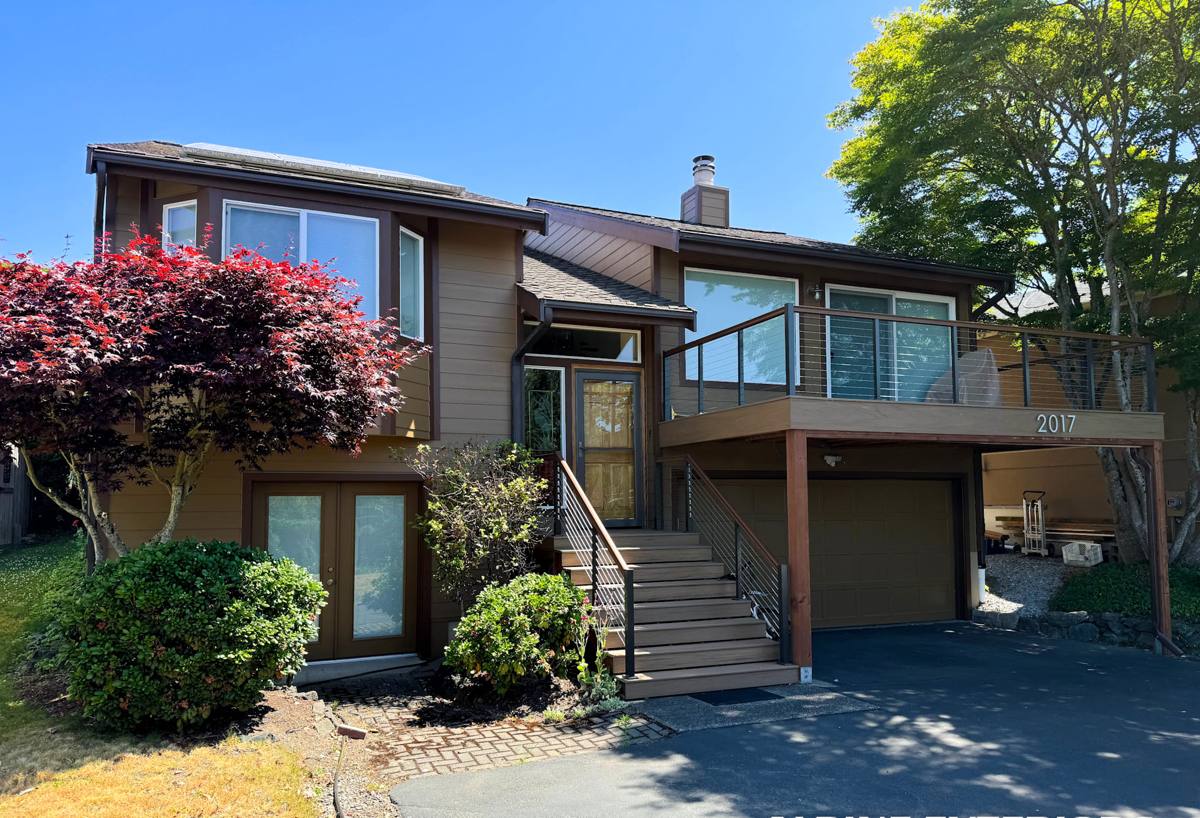
What "Custom" Actually Means on a Window Job
We use the word "custom" carefully. It doesn't mean upgraded trim packages or a catalog of finish colors — though those are part of it. It means the window is built and installed to fit the specific opening, orientation, and exposure of your house, rather than treating every wall the same way.
- Sizing built to the actual rough opening, not a stock size the opening gets forced to fit
- Frame material chosen based on which side of the house it's going on — a west or north wall taking direct weather off the water gets treated differently than a sheltered south wall
- Glass package matched to the room — bedrooms, living rooms, and moisture-prone spaces like bathrooms don't all need the same glass
- Flashing and sealing details adjusted for how much wind-driven rain that specific wall actually sees
Skipping any of these steps is how you end up with a window that looks right on installation day and starts failing at the seams two or three winters later.
Signs Your Current Windows Are Past Their Prime
Homeowners in Custer usually call us for one of a few reasons. If any of these sound familiar, it's worth having someone look before the problem spreads into the wall framing.
Moisture and Air Signs
- Fogging or condensation between panes — a sign the seal has failed and the insulating gas has escaped
- Soft or discolored wood at the sill or corners of the frame
- A noticeable draft when standing near the window on a windy day
- Paint that keeps bubbling or peeling around the frame no matter how often it's redone
Mechanical and Cosmetic Signs
- Hardware that's corroded, stiff, or won't latch tight anymore
- Sashes that are hard to lift, slide, or lock
- Visible green or black growth in the frame corners or tracks — a common moss-season complaint out here
- Single-pane glass still in place on an older home, offering little insulation value
Frame and Glass Options — What We Recommend and Why
Frame Materials
We install a range of frame materials, and the right one depends on the wall's exposure more than personal taste. Vinyl frames handle salt air and moisture well with minimal upkeep, which makes them a common choice for walls that take the brunt of the weather. Fiberglass frames cost more but hold their shape and finish exceptionally well over decades of temperature swings and damp conditions, and they're worth discussing for higher-exposure homes. Wood-frame windows can still be the right call for homes where matching existing trim or historic character matters, but they demand a more disciplined maintenance schedule near the water — regular sealing and paint upkeep isn't optional, it's what keeps the wood sound.
Glass Packages
Double-pane glass with a low-E coating and argon fill is our baseline recommendation for this area — it manages both the region's rain-driven humidity and its wide day-to-night temperature swings. For west- and north-facing rooms that catch the worst of the wind and rain, we'll often talk through upgraded spacer systems, which resist seal failure better over time than basic aluminum spacers. Triple-pane glass is available and does offer a modest additional insulation benefit, but for most Custer homes the cost difference isn't justified unless the room has an unusual noise or exposure issue — we'll tell you honestly if that's the case rather than upselling it by default.
The Installation Details That Actually Keep Water Out
Most window failures we get called to fix aren't a bad window — they're a window that was installed without enough attention to flashing and sealing. In a climate with this much driving rain, the installation matters as much as the product.
- Flashing tape at the sill and jambs, lapped correctly so water sheds outward and down, never inward or upward under the siding
- A sloped sill pan so any water that does get past the frame drains back out instead of pooling against the wood
- Backer rod and sealant at the exterior joint, sized correctly for the gap rather than just caulked over
- Continuous house wrap integration so the window is tied into the wall's overall drainage plane, not just sealed on its own
- Interior air sealing separate from the exterior weatherproofing — these are two different jobs and both need to be done
Any one of these steps done wrong can undo the benefit of an otherwise good window. This is the part of the job that doesn't show up in a sales brochure but shows up in your wall in five years if it's skipped.
What Drives Cost on a Custer Window Project
Every project is different, but these are the main factors that move the price up or down. We'll walk through your specific numbers during the estimate rather than quoting off a general range.
| Factor | Lower Cost | Higher Cost |
|---|---|---|
| Frame material | Vinyl | Fiberglass or wood |
| Glass package | Standard double-pane low-E | Upgraded spacers or triple-pane |
| Opening condition | Sound framing, standard reframe | Rot repair or structural framing needed |
| Window count | Whole-house replacement, single trip | One-off or scattered replacements |
| Exterior finish work | Standard trim match | Custom trim, siding tie-in, or color match |
The most common cost surprise on older Custer homes isn't the window itself — it's what we find once the old one comes out. Sills and framing that have taken on moisture over the years sometimes need repair before a new window can be installed correctly. We'll flag that possibility during the estimate walk-through rather than let it be a surprise on installation day.
How the Job Works, Start to Finish
- On-site assessment. We look at each opening, note exposure, framing condition, and what's currently failing.
- Product and glass recommendation. We walk through frame and glass options for each wall based on what it actually faces, not a one-size answer.
- Written estimate. Clear pricing by window, with any framing or repair contingencies called out up front.
- Precise measuring and ordering. Custom sizing to the actual opening, not a stock fit.
- Removal and installation. Old windows out, sill and framing repaired as needed, new window flashed, sealed, and set.
- Interior and exterior finish. Trim, caulking, and touch-up so the job looks finished inside and out.
- Final walkthrough. We check operation, sealing, and hardware with you before calling the job done.
Why It Matters to Hire a Crew That Already Works in Custer
Window installation looks similar on paper anywhere in the state, but the details that keep water out change with local exposure. A crew that mostly works drier, inland areas doesn't always carry the same instinct for how much flashing overlap or sealant a west-facing wall near the water actually needs. A crew that regularly works Custer and the surrounding Whatcom County coastline has already seen what salt air does to hardware over a few winters, what moss season does to poorly ventilated tracks, and where driving rain tends to find the gaps in a standard install. That familiarity shows up in fewer callbacks, not in the marketing.
It's also worth asking any contractor directly about licensing, insurance, and manufacturer-backed warranty coverage before signing anything — a legitimate local crew will have straightforward answers to all three.
Quick Checklist Before You Call for an Estimate
- Note which windows are foggy, drafty, hard to open, or visibly damaged at the sill
- Check for soft wood or paint failure around exterior frames
- Decide whether you're doing the whole house or a targeted set of windows
- Think about which rooms get the worst wind and rain exposure — those are worth extra discussion
- Have your current window count and rough sizes handy, even if approximate
- Ask any contractor you're considering about flashing method and warranty coverage before they leave your driveway
If you're weighing whether it's time to replace windows on a Custer property, we're happy to take a look and give you a straight answer — including telling you if a repair makes more sense than full replacement. Reach out below for a free, no-pressure estimate.