 Lynden Siding
 Blaine's Roofs Work Harder Than Most
Blaine sits right on the water at the northern edge of Whatcom County, and that location shapes everything about how a roof ages there. Salt-laden air off the coast is more corrosive to metal flashing, fasteners, and gutter systems than the drier air found even a few miles inland. Add in driving rain that comes in sideways during winter storms, and a shaded, damp shoulder season that can stretch on for months, and you have a roof environment that punishes shortcuts. A repair that would hold up fine in a drier climate can fail within a year or two out here if it isn't done with Blaine's conditions specifically in mind.
We work on homes throughout Whatcom County from our base in Lynden, and Blaine roofs are a regular part of that work. The problems we see repeatedly there are consistent enough that we've built our repair approach around them, rather than treating every job as a generic patch-and-go.
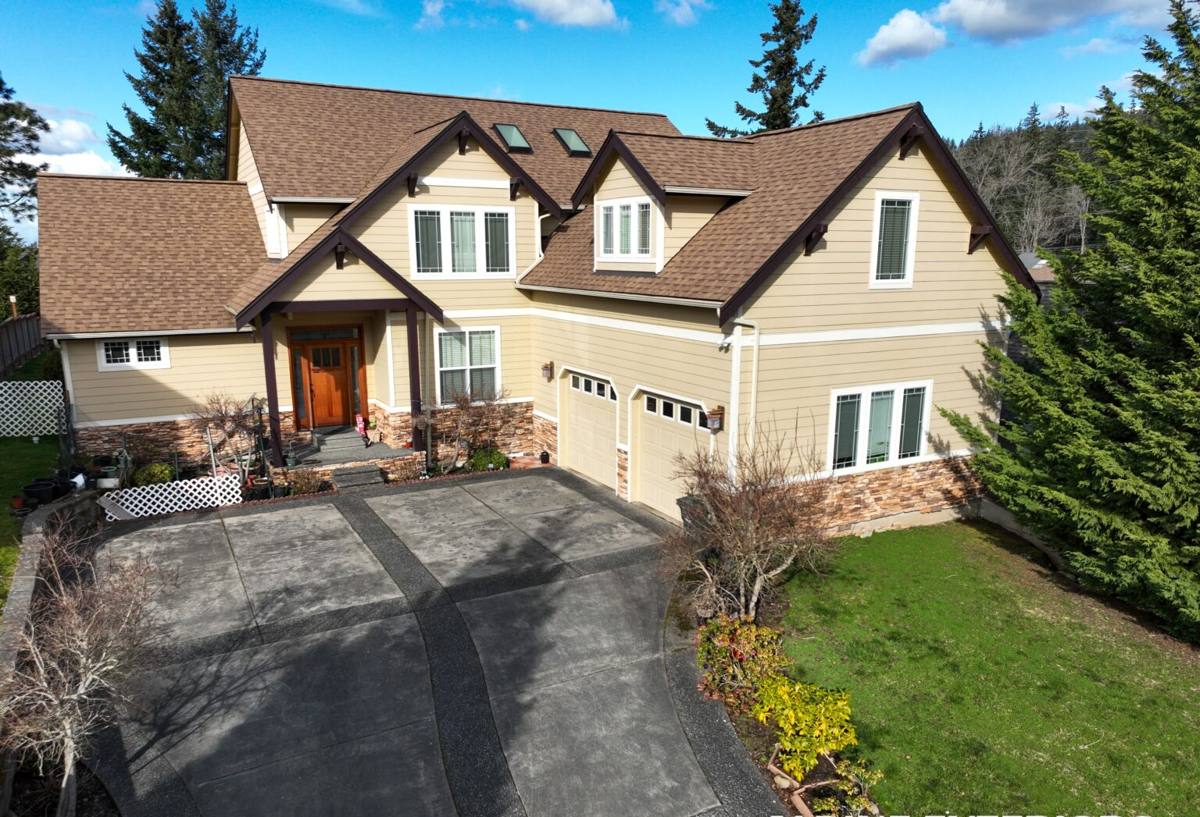
Signs a Blaine Roof Needs Repair, Not Just a Look
Homeowners often wait until there's an active leak inside the house, but by that point the underlying damage is usually more extensive than the stain on the ceiling suggests. Catching problems earlier keeps repairs smaller and cheaper.
- Granules collecting in gutters or at the base of downspouts, which signals shingle wear from constant moisture cycling
- Dark streaking or green-black patches on north-facing or shaded slopes — early moss and algae growth, not just cosmetic
- Soft spots underfoot when walking the roofline for inspection, indicating decking that's absorbed water
- Rust staining below flashing points, valleys, or nail heads, common where salt air accelerates metal corrosion
- Daylight visible through the attic at roof penetrations — vents, chimneys, or skylights
- Curling, cracking, or lifted shingle edges, especially on slopes that catch the prevailing wind and rain
- Gutters overflowing during heavy rain even though they were recently cleaned
What a Correct Roof Repair Actually Involves
A proper repair isn't just swapping out the shingles that are visibly damaged. Water rarely stays where it first enters, and a roof that's been dealing with driving rain for years often has damage that extends beyond the obvious trouble spot.
Diagnosis before demolition
We start by tracing the actual path water is taking, which is often different from where it shows up inside. Flashing, valleys, and penetrations get checked first, since that's where the large majority of leaks originate — not the open field of the shingles themselves.
Checking what's underneath
Once we open up the repair area, we inspect the decking and underlayment. Wet or soft decking has to be replaced, not just covered over. Skipping this step is the single most common reason a "repaired" roof leaks again within a season.
Matching materials and technique to conditions
Fasteners, flashing metal, and sealants all need to hold up to salt air and sustained moisture, not just look right on installation day. We use materials chosen for that exposure, not whatever is cheapest to source.
Sealing it back up correctly
The final step is reintegrating the repair with the surrounding roof — proper shingle overlap, correctly lapped flashing, and sealant applied where it belongs rather than as a substitute for good flashing work.
Common Roof Problems We See on Blaine Homes
| Problem | Typical Cause | What a Correct Fix Looks Like |
|---|---|---|
| Moss buildup on shaded slopes | Long damp season, limited sun exposure, overhanging trees | Careful removal, treatment, and improved airflow — not just a power wash |
| Rusted or failing flashing | Salt air corrosion combined with age | Replacement with corrosion-resistant flashing, properly lapped and sealed |
| Leaks at valleys | High water volume during driving rain concentrating at valley lines | Re-flashed valley with correct underlayment, not surface sealant alone |
| Granule loss and shingle wear | Repeated wet-dry cycling and wind-driven rain impact | Section replacement matched to existing shingle type and exposure |
| Soft or rotted decking | Prolonged moisture intrusion from an undetected upstream leak | Decking cut back to sound wood and replaced before re-roofing the area |
Repair vs. Replacement: How We Help You Decide
Not every roof problem calls for a repair, and not every roof problem calls for full replacement either. We give homeowners a straight answer based on what we actually find, factoring in the realities of a coastal Whatcom County climate.
| Factor | Leans Toward Repair | Leans Toward Replacement |
|---|---|---|
| Age of roofing material | Well within expected service life | Near or past the material's typical lifespan |
| Extent of damage | Isolated to one area — a valley, a section of slope, a penetration | Spread across multiple slopes or recurring in different spots |
| Decking condition | Sound, dry decking beneath the affected area | Widespread soft or rotted decking |
| History of repairs | First significant issue on an otherwise healthy roof | Pattern of repeated leaks despite past repairs |
| Moss and algae extent | Surface growth without shingle degradation | Moss growth that has already lifted or degraded shingles |
When a roof is borderline, we'll tell you honestly rather than steering you toward the bigger job. A well-executed repair on a roof with useful life left is money better spent than premature replacement.
Our Repair Process, Start to Finish
- Initial assessment. We inspect the roof from both the exterior and, where accessible, the attic, tracing water paths rather than just photographing visible damage.
- Written scope and estimate. You get a clear explanation of what we found, what needs to happen, and why — before any work begins.
- Removal of damaged material. We pull back only what's necessary to reach sound material, checking decking condition as we go.
- Repair or replacement of decking, underlayment, and flashing. This is where most of the long-term performance of a repair is determined.
- Shingle or roofing material replacement, matched as closely as possible to the surrounding roof.
- Cleanup and final inspection, including a check that the repair area integrates properly with adjacent roofing rather than sitting as a visible patch.
Materials and Methods We Choose for Coastal Exposure
We're selective about the materials we use on repairs in Blaine specifically because of the salt air and moisture load. That means favoring flashing and fasteners with better corrosion resistance, sealants rated for sustained wet exposure rather than intermittent moisture, and underlayment that performs well under long damp stretches rather than just brief rain events.
This isn't about upselling premium products for their own sake — it's about matching the repair to conditions the roof will actually face. A fastener or flashing choice that's perfectly fine in a drier inland climate can be the weak point in a coastal repair within a few years, and replacing a repair twice costs more than doing it right the first time.
Why a Crew That Already Works in Blaine Matters
Roofing crews that mostly work drier, inland areas don't always default to the details that matter most here — the extra attention to flashing corrosion, the moss-prone shade patterns on certain roof orientations, the way driving rain concentrates at valleys and penetrations during winter storms. Working regularly in Blaine and the surrounding Whatcom County coastline means those considerations are built into how we scope and execute a repair from the start, not something we have to relearn on your roof.
It also means we're realistic about timing. Roof repairs in this area are best scheduled around the wetter months when possible, and a crew familiar with the region's weather patterns can help you plan around that rather than getting caught mid-repair by an incoming storm.
Keeping Moss and Salt Damage in Check Between Repairs
A good repair buys you time, but a little maintenance between visits extends it further. These are the basics we recommend to homeowners in Blaine's climate:
- Keep gutters and downspouts clear, especially before the fall rains start
- Trim back overhanging branches to reduce shade and debris on moss-prone slopes
- Have moss treated before it spreads, rather than waiting until it visibly lifts shingles
- Check attic ventilation — poor airflow traps moisture and accelerates decking and shingle wear
- Walk the roofline (or have it inspected) after major storms, not just once a year
- Address small flashing rust or minor leaks promptly before they become decking damage
If you're noticing any of these signs on your Blaine home, we're happy to take a look and give you an honest read on what your roof actually needs — no pressure, no inflated scope. Reach out for a free estimate using the form below.