 Lynden Siding
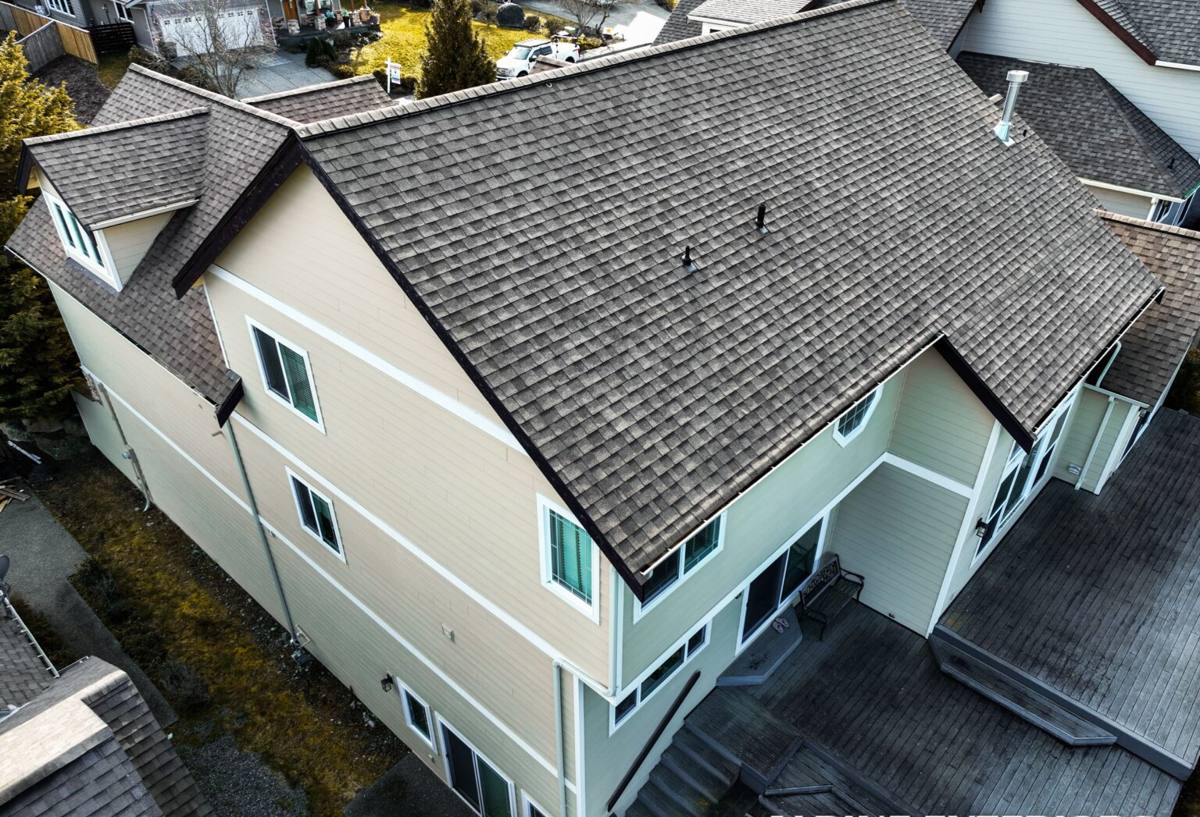
 Why Blaine Decks Wear Out Faster Than You'd Expect
Blaine sits close enough to the water that salt air is a daily fact of life, not an occasional nuisance. Combine that with Whatcom County's long, wet winters and the moss season that follows, and you have a climate that is genuinely tough on exterior wood and fasteners. A deck that might last two decades in a dry inland town can start showing real structural problems in half that time here if it wasn't built or maintained with this exposure in mind.
We work on homes throughout the Lynden and Blaine area, and the pattern is consistent: decks fail from the inside out. The surface boards might still look presentable while the framing underneath, the fasteners, and the ledger board connection to the house have quietly been deteriorating for years. By the time a homeowner notices soft spots, rust streaks, or a railing that wiggles, the damage is usually further along than it appears from the top.
What Makes the Blaine Climate Different
Three things stack up against a deck here, and they compound each other rather than acting alone:
- Salt-laden air off the water accelerates corrosion on any fastener, bracket, or connector that isn't rated for it.
- Driving rain pushed sideways by wind gets under flashing, into end grain, and behind ledger boards where it doesn't dry out quickly.
- Extended moss season keeps deck surfaces damp and shaded for months at a time, which holds moisture against wood and coatings far longer than a sunny climate would.
None of these are exotic problems. They're the same forces that affect roofs and siding throughout the region. But decks are horizontal, low to the ground, and often shaded by the house itself, so they take the worst of all three at once.
Signs Your Deck Needs Replacement, Not Just Repair
Not every aging deck needs a full replacement. Sometimes a board swap, a re-fastening pass, or a fresh coat of sealant buys real time. But there's a point where patching stops being cost-effective and starts being a way of postponing the inevitable while paying for it twice. Here's how we tell the difference on a site visit:
| Condition | Repair may work | Replacement is the right call |
|---|---|---|
| Surface boards cupping or graying | Yes, if framing is sound | No, unless framing is also compromised |
| Soft or spongy spots underfoot | Sometimes, if isolated | Usually, if spread across multiple joists |
| Rusted or corroded fasteners/hardware | Rarely | Yes, corrosion rarely stays isolated |
| Ledger board separating from the house | No | Yes, this is a safety issue |
| Railings that flex or feel loose | Sometimes | Yes, if posts are rotted at the base |
| Persistent moss/algae despite cleaning | Yes, with better drainage/airflow | Only if wood underneath is also degraded |
The honest answer is that we won't recommend a full replacement if a targeted repair will genuinely hold up. But we also won't talk you into another round of patchwork on a deck whose framing has already given up, because that just delays a bigger bill later.
What a Correct Deck Replacement Involves Here
A deck rebuild done for coastal Whatcom County conditions is not the same job as a generic deck build. The differences are mostly below the surface, in the parts you won't see once the project is done.
Framing and Structure
We start from the ground up rather than just re-decking over old framing. Posts, beams, and joists get inspected for rot and structural adequacy, not just replaced board-for-board if they're already compromised. Given how much moisture this area sees, we pay particular attention to post bases and any wood in contact with or near soil, since that's where rot typically starts.
The Ledger Connection
The ledger board — where the deck attaches to the house — is one of the most common failure points we find on older decks in this region, and it's also a genuine safety issue when it fails. Proper flashing behind and over the ledger, correct fastener spacing, and a real gap for water to drain away from the house wall all matter more here than in a drier climate, because driving rain will find any shortcut in that connection.
Fasteners and Hardware
This is the detail that separates a deck that lasts from one that doesn't near the coast. Standard fasteners corrode faster in salt air, and once a fastener starts rusting, it loses holding strength quietly — you won't see it until something moves that shouldn't. We use hardware rated for coastal and treated-lumber exposure throughout, not just where it's visible.
Decking Material
Homeowners in Blaine generally choose between pressure-treated wood, cedar, and composite decking, and each comes with real trade-offs worth understanding before you decide — not just a sales pitch for whichever is priciest.
| Material | Upfront cost | Moisture/moss resistance | Maintenance |
|---|---|---|---|
| Pressure-treated wood | Lowest | Fair — needs regular sealing | Annual cleaning/sealing recommended |
| Cedar | Moderate | Good naturally, better with sealant | Sealing every 1-2 years |
| Composite | Highest | Very good, resists moss better | Periodic cleaning, no sealing |
There's no universally "right" choice — it depends on your budget, how much upkeep you want to do, and how long you plan to stay in the home. We'll walk through the honest trade-offs for your specific deck rather than pushing one option.
Moss and Drainage: The Ongoing Battle
Even a well-built deck will fight moss in this climate if airflow and drainage weren't part of the design. Moss doesn't just look bad — it holds moisture against the deck surface and can make boards dangerously slick, especially on stairs. When we rebuild a deck, we think about airflow underneath, board spacing, and water runoff as part of the design, not as an afterthought to deal with later.
Practical Steps That Help Long-Term
- Keep gutters and downspouts near the deck clear so runoff isn't dumping extra water onto or under it.
- Trim back overhanging vegetation to let sun and air reach the deck surface.
- Sweep off standing debris regularly, since wet leaves and needles are what moss takes hold in first.
- Choose board spacing and orientation, where possible, that lets water drain through rather than pool.
- Re-seal wood decking on schedule — a worn-out sealant coat is an open invitation for moisture.
Our Process for a Blaine Deck Replacement
We keep the process straightforward because homeowners deserve to know what's happening and why at each stage.
1. On-Site Assessment
We inspect the existing deck from the framing up — not just the visible surface — including posts, ledger connection, and any hardware we can access. This tells us honestly whether repair or replacement is the right call.
2. Straightforward Estimate
You get a clear breakdown of the scope and cost factors before any work starts. No surprise add-ons for things we should have caught during the assessment.
3. Permitting
Deck rebuilds, especially those involving structural changes to framing or footings, typically require permitting through the applicable local jurisdiction. We handle that coordination so it's not something you have to chase down yourself.
4. Demolition and Disposal
Old decking, framing, and hardware are removed and hauled off. We also use this stage to double-check for any rot or damage that wasn't visible until the old structure came off.
5. Rebuild
Framing, ledger flashing, fasteners, and decking go in per the plan we agreed on, built to hold up against the salt air and rain this area sees every year.
6. Final Walkthrough
We walk the finished deck with you, point out any care recommendations specific to the material you chose, and make sure everything meets what was agreed at the estimate stage.
Cost Factors Worth Understanding
We won't quote a number without seeing the deck, but the main variables that move the price are consistent across most projects:
- Deck size and footprint — square footage is the baseline driver of material and labor.
- Framing condition — if posts, beams, or joists need full replacement versus reinforcement.
- Decking material choice — pressure-treated, cedar, and composite carry different material costs.
- Height and stairs — elevated decks and multi-flight stairs add engineering and labor complexity.
- Railing style — code-compliant railing systems vary widely in cost depending on material and design.
- Permitting requirements — structural scope can trigger additional inspection steps.
Generally, a straightforward ground-level deck replacement sits at the lower end of typical remodeling costs, while elevated decks with extensive railing and stair work run higher. We'll break down exactly where your project falls during the estimate.
Why Hiring a Crew That Already Works in Blaine Matters
A contractor who mostly builds decks in drier, inland areas may not default to coastal-rated fasteners or think through ledger flashing with the same urgency, simply because it hasn't bitten them before. We work throughout Whatcom County, including homes close enough to the water to feel that salt air daily, and we build accordingly as a standard practice, not an upgrade option.
There's also a practical side to hiring local: we understand the permitting process for the jurisdictions in this area, we're not traveling in from out of the region for warranty callbacks, and we've seen firsthand how decks in this specific climate age over time — which shapes how we build the next one.
Before You Commit: A Quick Checklist
If you're evaluating your deck or gathering quotes, these are worth checking regardless of who you hire:
- Has the contractor inspected the framing and ledger connection, not just the surface boards?
- Are they specifying corrosion-resistant fasteners and hardware for coastal exposure?
- Is proper ledger flashing part of the plan, with documentation you can see?
- Does the estimate clearly separate framing work from decking material costs?
- Will they pull the required permits, or is that left to you?
- Do they offer honest trade-offs between wood and composite rather than a one-size answer?
Get an Honest Look at Your Deck
If your deck is showing its age, or you just want a second opinion before committing to a full rebuild, we're happy to take a look. We'll give you a straight answer on whether repair or replacement makes sense, and what a proper rebuild would involve for your specific home. Fill out the form below for a free, no-pressure estimate.