 Lynden Siding
 Asphalt Shingle Roofing Built for Nooksack's Climate
Nooksack sits in the wet, mild belt of Whatcom County, where marine air off the Sound and the Strait rolls inland, cools against the foothills, and drops rain for months at a stretch. Add in salt-laden air, driving wind-rain that hits roofs at an angle instead of straight down, and a moss season that can run from fall through spring, and you have a climate that is genuinely hard on a roof. Asphalt shingles can handle all of it, but only when they are installed with this specific climate in mind — not installed the same way a crew would install them in a dry inland market.
A shingle roof that looks fine from the ground can still be losing the fight underneath. The granule layer wears, moss roots work into the mat, and moisture finds its way under lifted tabs long before a homeowner sees a stain on the ceiling. Understanding what this climate actually does to a roof is the first step in getting one that holds up.
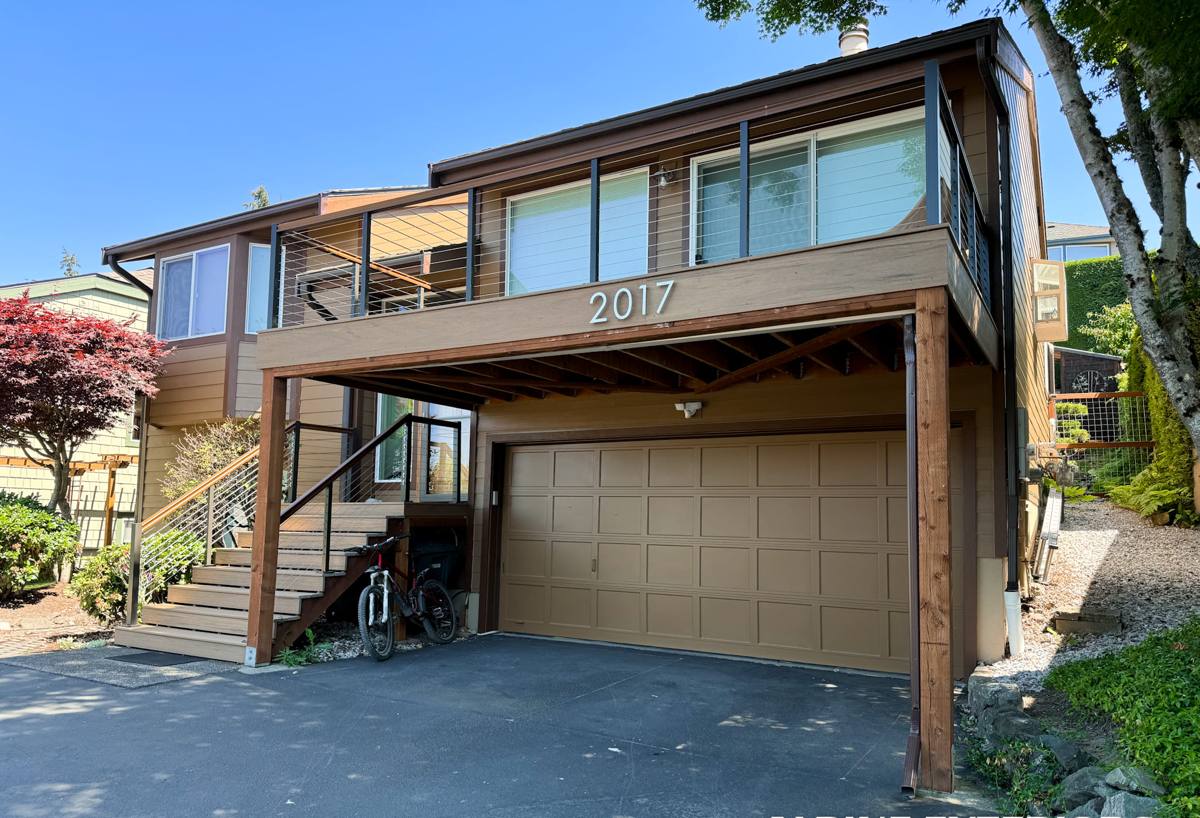
What Driving Rain, Salt Air, and Moss Actually Do to a Roof
Wind-Driven Rain
Rain that comes in sideways doesn't behave like rain falling straight down. It gets pushed up under shingle tabs, along flashing edges, and into any gap in the underlayment. A roof designed for calm, vertical rainfall will leak here even if every shingle is technically intact — the sealing strips and flashing details matter more than the shingle brand.
Salt Air
Salt-carrying air corrodes exposed metal faster than it does inland — fasteners, flashing, and vent components all age quicker. This doesn't ruin a shingle roof, but it means the metal components tucked into the system need to be chosen and installed with that corrosion in mind, not treated as an afterthought.
Moss and Sustained Moisture
A long, damp season gives moss and algae months to establish themselves, especially on north-facing slopes and anywhere shade keeps the roof from drying out between rains. Moss holds moisture against the shingle surface, works its rhizoids under tabs and granules, and can lift shingles enough to let water in — long before the shingles themselves are worn out.
What a Correct Asphalt Shingle Roof Needs in Nooksack
A roof that's genuinely built for this area, rather than just installed to code minimums, includes a few things that matter more here than in a drier climate:
- Ice-and-water shield at vulnerable areas — valleys, eaves, and roof-to-wall transitions get a self-adhering waterproof membrane under the shingles, not just felt.
- Properly lapped synthetic underlayment across the whole roof as a second line of defense against wind-driven rain.
- Balanced attic ventilation — intake at the eaves and exhaust at the ridge — so moisture-laden air doesn't sit under the deck and rot it from below.
- Corrosion-resistant flashing and fasteners at chimneys, skylights, and wall intersections, sized for salt-air exposure.
- Algae-resistant shingle granules on roofs with shaded or north-facing slopes, to slow the moss and algae cycle.
- Correct nailing pattern and sealing activation so shingles bond down fully instead of staying vulnerable to wind lift through their first winter.
None of this shows up in a quick visual estimate from the street. It's the difference between a roof that's simply new and a roof that's actually built to handle a Whatcom County winter.
Signs a Nooksack Roof Needs Attention
Because moss and moisture damage build slowly, most homeowners don't notice a problem until it's already inside the attic. Worth checking for, especially before the wet season sets in:
- Moss or dark streaking building up on north-facing or shaded slopes
- Granules collecting in gutters or at downspout outlets
- Shingle tabs that look cupped, curled, or lifted at the edges
- Soft or spongy spots when walking the roof (or visible sagging from the ground)
- Water stains on interior ceilings, especially near valleys or chimneys
- Daylight visible through the roof deck from inside the attic
- Rusted or loose flashing around vents, skylights, or the chimney
Any one of these on its own isn't necessarily an emergency, but they're worth a professional look rather than a wait-and-see approach — small moisture problems on a shingle roof rarely stay small through a full Pacific Northwest winter.
Choosing the Right Shingle for This Climate
Not every asphalt shingle product is a good match for a damp, moss-prone area. The table below covers the tradeoffs we walk homeowners through.
| Shingle Type | Typical Lifespan | How It Handles This Climate |
|---|---|---|
| 3-Tab (economy) | 15–20 years | Lower upfront cost, but thinner profile and less wind resistance; moss takes hold faster without algae-resistant granules |
| Architectural / Dimensional | 25–30 years | Heavier, more wind-resistant, and the standard choice for most re-roofs here; pairs well with algae-resistant granule options |
| Impact-Resistant (Class 4) | 25–30+ years | Best resistance to debris and hail impact; sometimes qualifies for insurance discounts, worth asking your carrier |
| Algae-Resistant Upgrade | Adds to any tier above | Copper-infused granules slow moss and algae growth on shaded, north-facing slopes — the single upgrade most worth it here |
For most Nooksack homes, an architectural shingle with algae-resistant granules is the sweet spot: enough wind and impact resistance to handle the weather, with a granule technology that directly fights the moss problem this climate creates.
Our Installation Process
A shingle roof is only as good as what happens before the shingles ever go down. Our process on a full replacement:
- Tear-off and deck inspection — old roofing comes off completely so we can inspect the deck for soft spots, rot, or prior water damage rather than roofing over a problem.
- Deck repair — any damaged sheathing gets replaced before anything new goes down.
- Ice-and-water shield at valleys, eaves, and other vulnerable areas, followed by synthetic underlayment across the field of the roof.
- Flashing — new corrosion-resistant flashing at chimneys, skylights, sidewalls, and valleys, since old flashing is one of the most common leak sources on an otherwise sound roof.
- Shingle installation with correct nailing pattern and exposure for proper sealing and wind resistance.
- Ventilation check — intake and exhaust balanced so the attic can actually dry out between storms.
- Cleanup and magnetic sweep for nails and debris across the yard and driveway.
For repairs, the process is the same philosophy at a smaller scale: find the actual source of the problem — not just the spot where water is showing up inside — and fix that, rather than layering new shingles over old damage.
Repair vs. Full Replacement: What Actually Drives the Decision
Homeowners often assume any leak means a full replacement is coming, and that's not always true. What actually determines the right call:
| Factor | Leans Toward Repair | Leans Toward Replacement |
|---|---|---|
| Roof age | Under 15 years | Approaching or past expected lifespan |
| Extent of damage | Isolated to one area (flashing, one slope) | Widespread moss, granule loss, or multiple leak points |
| Deck condition | Solid, no rot found | Soft spots or rot discovered during inspection |
| Shingle condition | Still flat and sealed elsewhere on the roof | Curling, brittle, or cracking broadly across the roof |
We'll always tell you honestly which side of that line your roof falls on. A well-timed repair can buy several more years on a roof that isn't ready for full replacement, and we'd rather earn a repair job well than push a replacement that isn't needed yet.
Living With a Long Moss Season
Even a correctly installed roof needs some upkeep in this climate. A few habits go a long way toward protecting the investment:
- Keep gutters and downspouts clear so water isn't backing up under the shingle edge
- Trim back overhanging branches that keep shaded areas of the roof damp longer
- Have moss physically removed rather than power-washed, which can strip granules and shorten shingle life
- Schedule a roof check every year or two, ideally before the wettest months set in
None of this is complicated, but it's the kind of maintenance that's easy to put off — and the kind that determines whether a roof hits the top or bottom of its expected lifespan in a climate like Whatcom County's.
Why a Crew That Already Works Nooksack Matters
Roofing crews who mostly work drier, milder markets sometimes install a roof to a general code standard and call it done. A crew that works Whatcom County regularly knows which slopes moss establishes on first, where wind-driven rain actually finds its way in, and which flashing and fastener choices hold up against salt air over years, not just through the first inspection. That local pattern recognition is what separates a roof that's technically installed correctly from one that's actually built for Nooksack's weather.
If you're dealing with a moss buildup, a leak you can't pin down, or a roof that's simply getting old, we're happy to take a look and give you a straightforward, no-pressure estimate — use the form below to get started.